
Beautiful Plants For Your Interior
Beautiful Plants For Your Interior
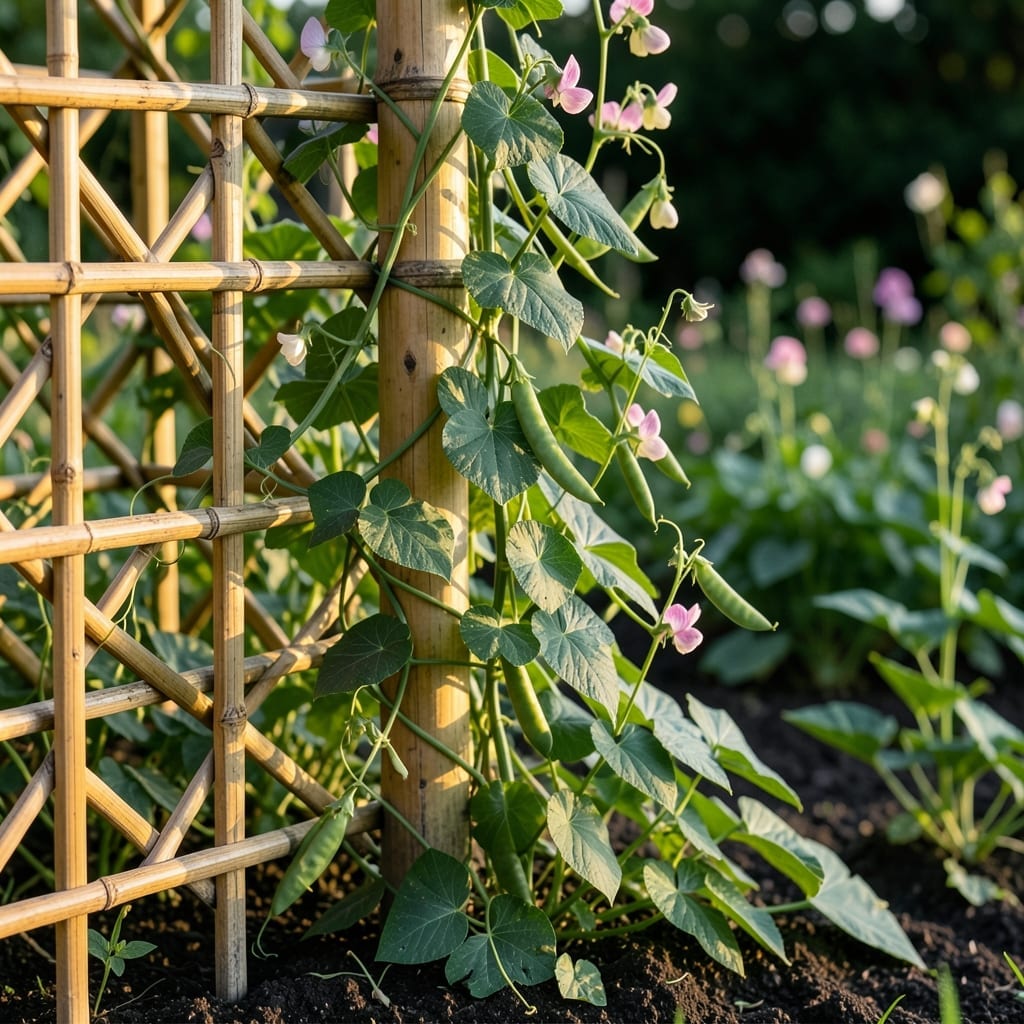
Peas are one of the easiest and most rewarding cool-season crops to grow, but timing is everything. Knowing the exact peas growing time ensures a bountiful harvest before summer heat sets in.
I remember planting my first batch of 🌱 Pea too late in the season. The vines struggled in the warming soil, and my yield was disappointing. That experience taught me how crucial timing is for this spring favorite.
With the right schedule, you can expect to harvest fresh peas in as little as 55-70 days. The key is understanding each growth stage and how your local climate affects the timeline.
Discover how to time your planting perfectly for a successful pea crop. Let’s break down what you need to know to get it right this season.
If you’re planting peas this season, knowing the growing timeline is key. From the moment you sow seeds to the day you harvest pods, each stage has its own pace and needs.
The journey starts with germination, which typically takes 7-14 days depending on soil temperature and moisture. Cooler soils may slow this down, while consistent moisture speeds it up 🌱
| Stage | Duration | Key Notes |
|---|---|---|
| Germination | 7-14 days | Soil temp 40-75°F, keep moist |
| Vegetative Growth | 30-40 days | Vines grow 1-2 inches/day in ideal conditions |
| Flowering | 10-14 days | White flowers appear, needs full sun |
| Pod Development | 14-21 days | Harvest when pods plump and bright green |
Once germination completes, the vegetative growth phase kicks in. This is when your pea plants focus on building strong vines and leaves, lasting about 30-40 days. They’ll grow rapidly with proper support and nutrients.
Next comes flowering, a critical stage that lasts 10-14 days. You’ll see delicate white blooms, signaling that pod formation is near. Ensure your plants get full sun and consistent watering during this time.
The final stage is pod development, which takes 14-21 days. This is when the magic happens—pea pods swell and fill with sweet, tender peas. Harvest them young for the best flavor and texture.
Climate plays a huge role in peas growing time. In cooler regions, the process may take a bit longer, while warmer climates can speed it up. For example, sugar snap peas mature faster than shelling peas.
I’ve found that snow peas tend to be the quickest, ready in about 55-60 days, while shelling peas can take up to 70 days. Always check the seed packet for the specific variety’s timeline.
If you’re growing in containers, ensure they’re deep enough for root development. Peas prefer cool weather, so planting in early spring or late summer avoids the heat stress that can stunt growth.
Remember, the key to success is timing. Plant your peas 4-6 weeks before your last frost date for a head start. This gives them plenty of time to mature before summer heat arrives 🌿
I love how peas growing time can be adjusted with simple techniques. In cooler climates, I start seeds indoors to speed up germination. Warmer soil helps too—I use black plastic mulch to absorb heat.
Conversely, in hot regions, I plant later or use shade cloth to slow growth and prevent bolting. Consistent moisture levels are key—too much or too little stresses the plants.
I’ve found that soil temperature is the biggest factor. Peas germinate best at 40-75°F, so I use a soil thermometer to time my planting perfectly.
For faster growth, I soak seeds overnight before planting. This can shave 2-3 days off germination time. Just don’t soak them longer than 12 hours, or they may rot.
If I need to slow things down, I plant in partial shade or use dwarf varieties like ‘Tom Thumb’, which naturally grow more slowly. This works well in containers too.
Finally, I always monitor weather. A late frost can set plants back, while unexpected heat waves can shorten the harvest window. Staying flexible is key. 🌱