
Beautiful Plants For Your Interior
Beautiful Plants For Your Interior
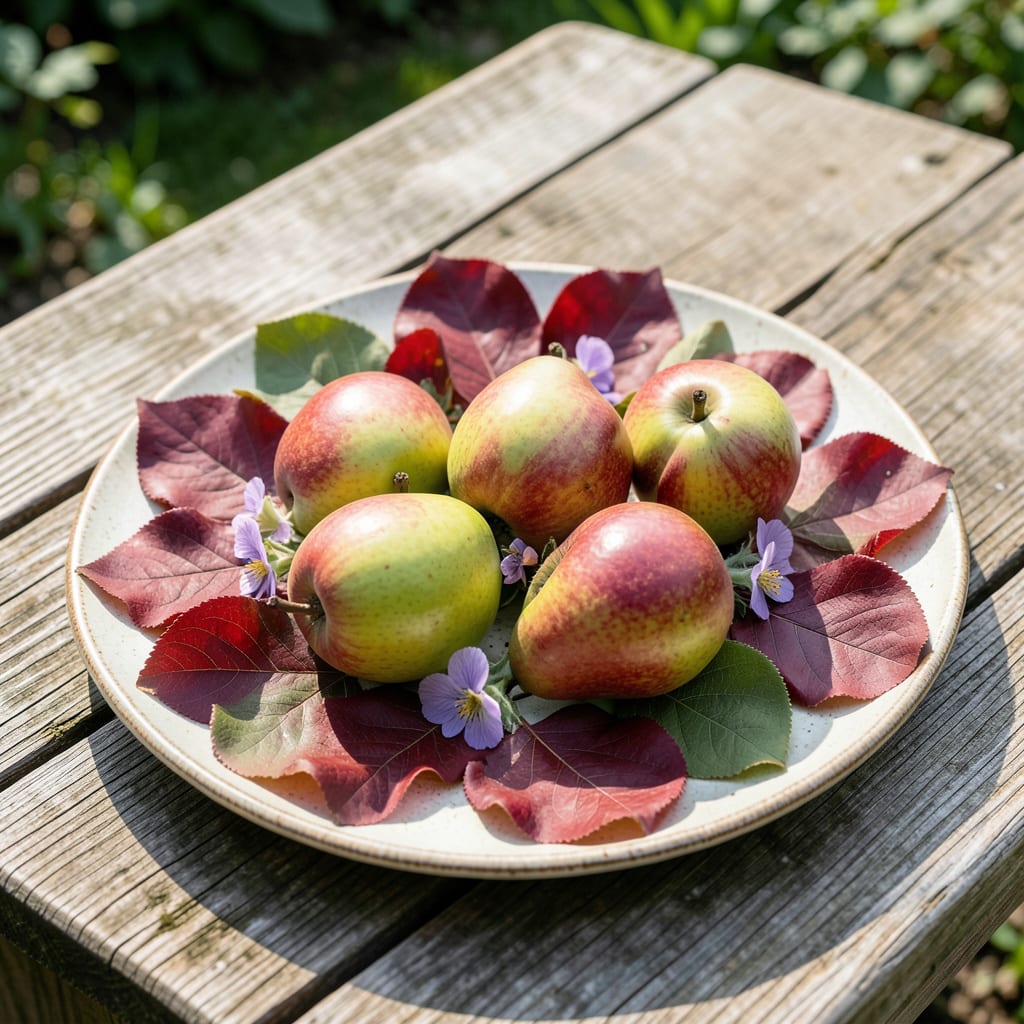
Red leaves on your pear tree aren’t always a death sentence. I’ve seen this happen mid-season and panicked—only to realize it was just the tree’s way of signaling stress.
Sometimes it’s as simple as a nitrogen deficiency, but other times it’s fire blight or pest damage. The key is figuring out which one you’re dealing with before the problem spreads.
With the right diagnostic steps, you can pinpoint the issue in under an hour and take action. Most solutions involve basic care adjustments or targeted treatments.
Works for young saplings and mature trees alike. Here’s how to start investigating.
Red leaves on your pear tree can signal a variety of underlying causes, each tied to environmental, biological, or seasonal factors. Below are the most common reasons why this happens, broken down for clarity and actionability.
Extreme temperatures—either cold snaps or heatwaves—can trigger a stress response in pear trees. When exposed to unseasonably low temperatures, especially in early fall or late spring, the tree may produce anthocyanins, pigments that give leaves their red hue. This is a protective mechanism to shield cells from damage. Similarly, drought-like heat can disrupt chlorophyll production, revealing red pigments underneath.
Fungal diseases like pear scab or fire blight can cause leaves to turn red or purple as they weaken the tree’s health. These pathogens damage the leaf tissue, reducing its ability to photosynthesize effectively. Infected leaves often develop red or brown spots before turning entirely red. Action: Prune affected branches and apply fungicides to prevent spread.
A lack of essential nutrients, particularly phosphorus or magnesium, can lead to reddish discoloration. Phosphorus deficiency often causes leaves to turn dark red or purple, especially on the undersides, while magnesium deficiency may result in interveinal reddening. Conduct a soil test to confirm deficiencies and amend the soil with the appropriate fertilizers.
Pests such as pear psylla or spider mites sap the tree’s nutrients, leading to stressed, red-tinged foliage. These insects pierce leaf cells, causing damage that disrupts normal pigmentation. Action: Monitor for pest activity and use horticultural oils or insecticidal soaps to manage infestations.
In some pear tree varieties, red leaves are a normal part of seasonal change, particularly in autumn. As daylight decreases and temperatures drop, chlorophyll breaks down, and red anthocyanins become visible. This is most common in ornamental pear varieties and is not a cause for concern unless accompanied by other symptoms like leaf drop or branch dieback.
If your pear tree’s leaves are turning red unexpectedly, here’s how to diagnose and address the issue with practical solutions.
Red or purple leaves often signal phosphorus deficiency. Test your soil (kits are inexpensive and easy to use). If confirmed:
Prevention tip 💡: Conduct soil tests every 2–3 years to catch deficiencies early.
Late frosts can shock new leaves, turning them red. To prevent damage:
Prevention tip ✨: Choose cold-hardy pear varieties if you live in a region with unpredictable springs.
Fungal diseases like pear scab or fire blight can stress the tree, leading to discolored leaves. Act fast:
Prevention tip 🎯: Clean up fallen leaves and debris in autumn to reduce fungal spores overwintering.
Both drought and waterlogging can stress a pear tree, causing reddening leaves. Fix it by:
Prevention tip 🌱: Check soil moisture 2 inches down—if it’s dry, it’s time to water; if soggy, hold off.
Not always! Some varieties naturally turn red in autumn as part of seasonal changes. However, if it happens in spring or summer, it’s likely stress-related and needs attention.
Phosphorus deficiency causes dark red or purple leaves, often on the undersides. Magnesium deficiency shows as interveinal reddening. A soil test will confirm the issue.
Cover young trees with frost cloth or burlap during cold snaps. Water deeply before frost to insulate roots.
Yes! Waterlogged roots can stress the tree, leading to discolored foliage. Ensure good drainage and water only when the top 2 inches of soil are dry.
