
Beautiful Plants For Your Interior
Beautiful Plants For Your Interior
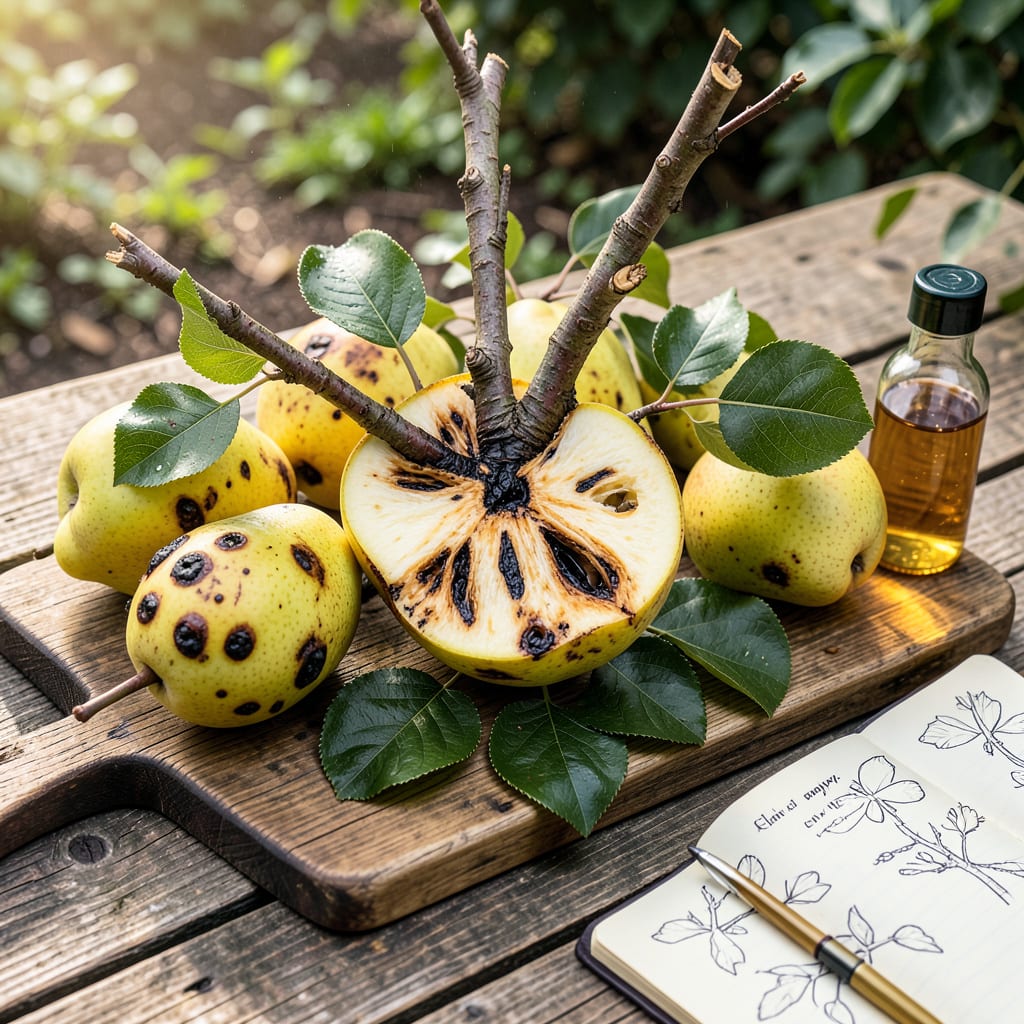
Fire blight hits hard and fast, turning healthy pear trees into blackened skeletons overnight. I learned this the hard way after losing two young trees to this aggressive disease.
It spreads through bacteria that thrive in warm, wet spring weather, entering through blossoms, wounds, or even pruning cuts. The first sign is usually wilting leaves that turn dark brown, followed by cankers that ooze sticky amber liquid.
Prevention is your best defense. Sterilize pruning tools between cuts, remove infected branches 12 inches below visible damage, and avoid overhead watering during bloom season.
With vigilance and quick action, you can save your trees and even prevent future outbreaks. The key is acting before the disease takes hold.
Fire blight, caused by the bacterium Erwinia amylovora, thrives under specific conditions that weaken pear trees and allow the pathogen to spread. Understanding these triggers helps you act before the disease takes hold.
The bacterium multiplies rapidly in temperatures between 65–85°F (18–29°C) with high humidity or rain. Spring blooms and new shoots are especially vulnerable during these conditions, as the bacteria enter through open blossoms, wounds, or natural openings like stomata.
Dense canopies or overcrowded orchards trap moisture, creating a breeding ground for E. amylovora. Trees planted too closely or pruned improperly (e.g., leaving stubs) hinder airflow, prolonging leaf wetness—a key factor in infection.
Pruning shears, saws, or even honeybees and aphids can spread the bacteria from infected to healthy trees. A single cut with a dirty tool can introduce the pathogen directly into vascular tissue, where it blocks water transport, causing wilting and dieback.
Over-fertilizing with nitrogen promotes succulent, fast-growing shoots—the bacteria’s favorite entry points. These tender tissues lack the natural resistance of mature wood, making them prime targets during active growth phases.
Fallen infected fruit, cankers, or pruned debris left on the ground harbor the bacterium year-round. Without removal, these sources reinfect trees in the next growing season, perpetuating the cycle.
Fire blight can be managed effectively if you act quickly and follow these practical steps. Below, we’ve mapped common causes to targeted fixes, along with prevention tips to keep your pear trees healthy.
Remove infected branches at least 8–12 inches below the visible damage to ensure all bacteria are gone. Sterilize your pruning shears with rubbing alcohol or a 10% bleach solution between cuts to prevent spreading the disease. Pro tip: 💡 Prune during dry weather and avoid wet conditions, as moisture helps the bacteria spread.
Improve airflow by thinning dense growth. This reduces humidity, making it harder for fire blight to take hold. Aim for an open canopy that allows sunlight and air to reach all parts of the tree. Prevention tip: ✨ Regularly prune in late winter or early spring before new growth starts.
Fire blight thrives in wet conditions. If your tree sits in soggy soil, amend the area with compost or create a slight mound to enhance drainage. Avoid overhead watering—opt for a drip irrigation system to keep foliage dry. Pro tip: 🌡️ Water in the early morning so leaves dry quickly in the sun.
Bees and other pollinators can carry fire blight bacteria from tree to tree. Remove blossoms from infected trees immediately, and consider applying antibacterial sprays (like streptomycin) during bloom if fire blight is a recurring issue. Prevention tip: 🎯 Plant resistant pear varieties like ‘Kieffer’ or ‘Moonglow’ to minimize risks.
Consistency is key—monitor your trees regularly and act at the first sign of wilting, blackened leaves, or oozing cankers. With vigilance and these steps, you can stop fire blight in its tracks and protect your pear harvest.
Look for wilting leaves turning dark brown or black, followed by cankers oozing sticky amber liquid. These appear on branches, blossoms, or fruit and spread rapidly in warm, wet weather.
If over 50% of the tree is affected, removal may be necessary to protect others. For mild cases, prune 12 inches below damage and sterilize tools between cuts.
Prune during dry weather in late winter or early spring before new growth starts. Avoid pruning during bloom or wet conditions to prevent spreading.
Yes! Varieties like Kieffer and Moonglow show strong resistance. Plant these if the disease is common in your area.
