
Beautiful Plants For Your Interior
Beautiful Plants For Your Interior
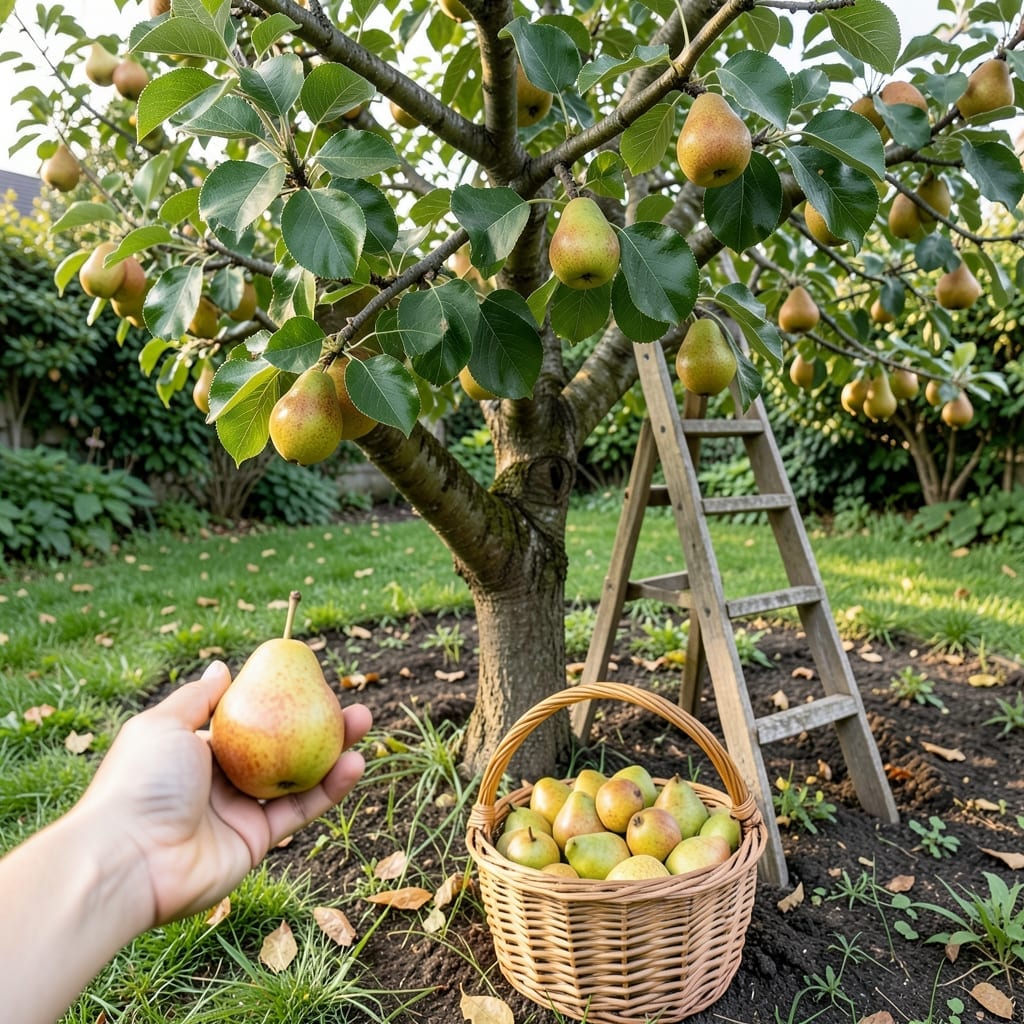
Knowing the exact timing for pear 🍐 picking can transform your harvest from disappointing to delicious. That first bite of a perfectly ripe pear is unmatched, but getting it right requires more than luck.
I’ve learned that the key isn’t just the calendar—it’s in the subtle changes you’ll notice on the tree. The difference between underripe and ideal often comes down to a few telltale signs.
Whether you’re growing Bartlett, Anjou, or Bosc, each variety has its own language of ripeness. Discover how to read the clues in color, texture, and even scent to pick at peak flavor.
Let me walk you through what to look for so you can enjoy the sweetest, juiciest pears every late summer – early fall. The harvest window is shorter than you think.


I’ve found that pear harvest season typically spans from late summer to early fall, but the exact timing depends on the variety and your climate. In USDA zones 5-9, this window can shift by a few weeks, so it’s key to know your local conditions.
For example, Bartlett pears often ripen in August, while Bosc pears may hold off until September or even October. The trick is to watch for variety-specific cues rather than just the calendar.
| Variety | Harvest Window | Ripeness Clues |
|---|---|---|
| Bartlett | Late July – August | Yellow color, slight softness |
| Anjou | September – October | Red-green hue, firm but yielding |
| Bosc | Mid-September – October | Russet skin, sweet aroma |
| Comice | Late September – October | Blush color, stem separation |
In warmer climates, pears may ripen 2-3 weeks earlier than in cooler regions. For instance, a Bartlett in California might be ready in July, while the same variety in Michigan could peak in August.
I always check the stem end of the pear first. If it gives slightly when pressed, that’s a sign of ripeness. For Bosc pears, the russet skin deepens as they mature, making color a reliable indicator.
Another tip: taste-test one from the tree. If it’s sweet and juicy, the rest are likely ready. If it’s still tart, wait a few days and check again. Pears don’t ripen well on the tree, so timing is critical.
Regional variations play a huge role. In the Pacific Northwest, the cool maritime climate can extend the harvest window, while in the Southeast, heat can accelerate ripening. Always adjust based on your local weather.
For dwarf pear trees, the harvest window is similar, but the fruit may ripen slightly earlier due to their compact size. Keep an eye on color changes and texture shifts as the season progresses.
If you’re unsure, consult a local nursery or gardening group. They’ll know the nuances of your area’s pear harvest season and can offer variety-specific advice. It’s a game-changer for getting the best flavor.
Finally, remember that post-harvest ripening is possible for some varieties. Pears like Anjou and Bosc can ripen indoors if picked at the right stage. Just store them at room temperature until they soften.
I’ve learned that patience pays off—picking too early means missing out on that perfect, sweet crunch 🌳
I always tell gardeners that pear ripeness isn’t just about color—it’s a full sensory experience. The first sign I look for is that subtle color shift from deep green to yellow or red, depending on the variety.
Next, I gently press near the stem end—a slight give there means it’s ready. The stem should also separate easily from the branch with just a light twist.
Don’t rely on just one sign—I check for multiple clues to be sure. A pear might look ready but still feel hard, which means it needs more time on the tree.
I’ve made the mistake of picking too early, and the texture difference is noticeable. Underripe pears are grainy and tart, while perfectly ripe ones feel smooth and taste sweet.
For Bartlett pears, the color change is dramatic, but Anjou and Bosc are subtler. I always double-check the stem’s attachment before picking.
Lastly, I recommend harvesting in the cool morning hours to preserve freshness. This small step makes a big difference in flavor and storage life 🌿