
Beautiful Plants For Your Interior
Beautiful Plants For Your Interior
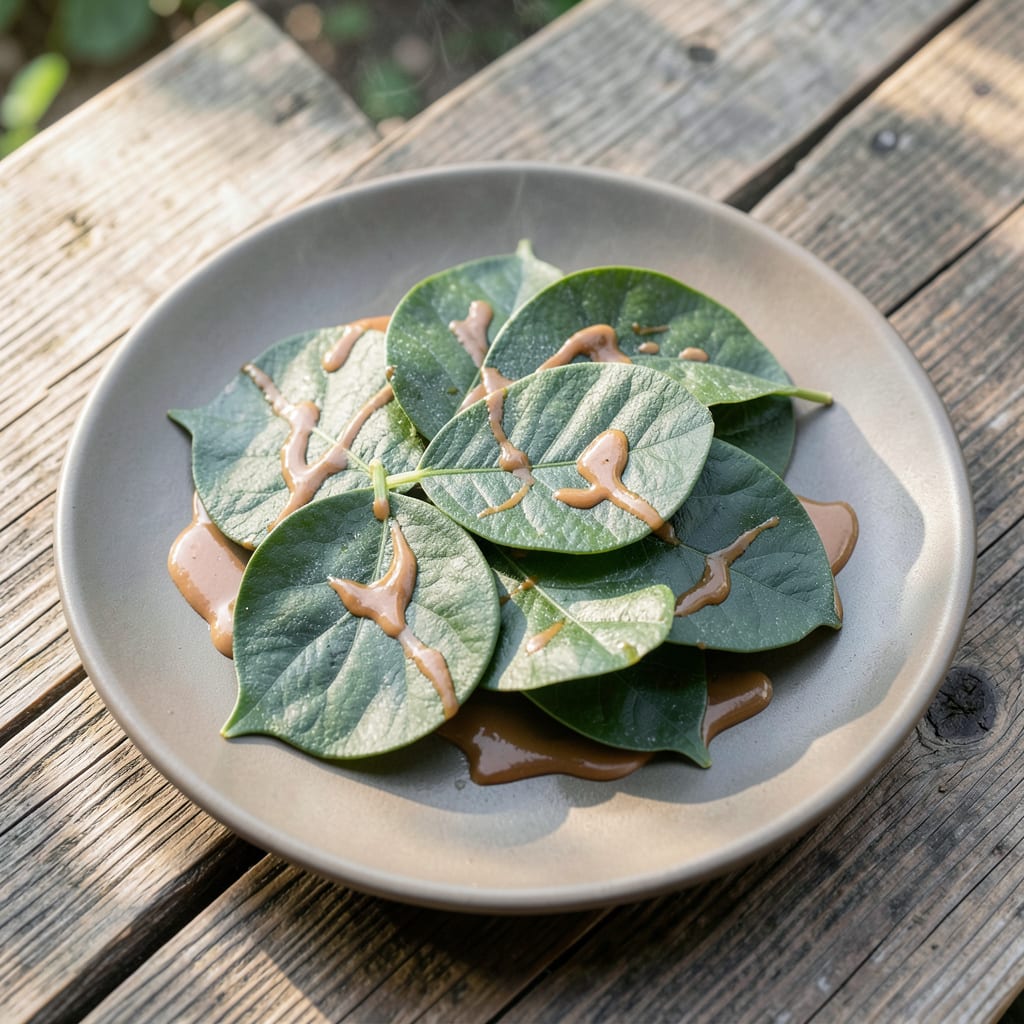
I first spotted this plant because of its leaves—shiny, dark green with silver undersides that catch the light in a way that stops you mid-step.
It’s not just eye-catching; the foliage stays vibrant year-round with minimal care. Once you see the unique pattern, you’ll recognize it anywhere. This one stands out without trying too hard.
📚 In This Guide
Here’s how I spot these distinctive leaves in any landscape—simple once you know what to look for.
Peanut butter tree leaves are simple and alternate, meaning they grow one per node, alternating sides along the stem. Each leaf is elliptical to oblong in shape, typically 2-4 inches long with a smooth, slightly wavy edge. The tip is often slightly pointed, while the base tapers gradually.
Hold the leaf up to the light to check for a faint pinnate venation pattern—a central midrib with smaller veins branching out like a feather. This is a key feature that separates it from look-alikes with more random vein patterns.
The upper surface of a peanut butter tree leaf is a deep, glossy green, while the underside is slightly lighter, sometimes with a subtle yellowish tint. Run your fingers across the surface—it should feel smooth and slightly leathery, not fuzzy or rough.
Young leaves often emerge with a reddish or bronze hue before maturing to green. This color shift is a great clue if you’re identifying the tree in spring when new growth appears.
Crush a leaf between your fingers and take a deep breath. Peanut butter tree leaves release a distinct nutty, buttery aroma that’s unmistakable once you’ve smelled it. This scent is the plant’s most defining characteristic and the reason for its common name.
If the aroma isn’t immediate, try rubbing the leaf vigorously between your palms to release more oils. The scent lingers, so you’ll know it when you find it.
Peanut butter tree leaves grow in a spiral pattern along the stem, creating a staggered, almost helical effect as you follow the branch. This arrangement helps maximize sunlight exposure for each leaf.
Step back and look at the overall branch structure. The leaves should appear evenly spaced, not clustered or whorled. This even distribution is another hallmark of the species.
Peanut butter tree leaves are often confused with those of the pongam tree or golden trumpet tree. However, pongam leaves are typically larger and have a more rounded base, while golden trumpet leaves are compound, with multiple leaflets per stem.
If you’re unsure, go back to the scent test—it’s the quickest way to confirm. No other tree in its range smells quite like a peanut butter sandwich when its leaves are crushed.
These practical pointers will sharpen your ability to recognize peanut butter tree leaves with confidence.
Shape and Size Focus: Remember that peanut butter tree leaves are typically 2-4 inches long with an elliptical to oblong shape. I always carry a small ruler or measure against my palm to confirm the size range. The slightly wavy edge and pointed tip are subtle but reliable indicators when you’re first learning.
The Scent Test: Don’t underestimate the power of the aroma test in Step 3. I’ve found that rubbing the leaf between my palms rather than just my fingers releases more of that distinctive nutty, buttery scent. If you’re in doubt, this is the most foolproof method to confirm you’ve found the right tree.
Pattern Recognition: For Step 4, look for that spiral arrangement along the stem. I like to trace the pattern with my finger to feel the staggered effect. This helical growth is unique and helps distinguish it from trees with opposite or whorled leaf arrangements.
Color Clues: Pay special attention to the color differences mentioned in Step 2. The deep, glossy green upper surface contrasted with the lighter underside is a great visual cue. And remember, young leaves often have that reddish-bronze tint – this seasonal variation can help you spot the tree in spring.
No, peanut butter tree (Bunchosia argentea) leaves are not edible. They may contain compounds that are unsafe for consumption. Always stick to the fruit, which is the edible part of the plant.
Peanut butter tree leaves are simple, alternate, and elliptical with smooth edges. They’re glossy green above and silvery-white beneath, giving them a distinctive two-toned appearance.
Yellowing leaves often indicate overwatering, poor drainage, or nutrient deficiencies. Check soil moisture and ensure proper drainage. A balanced fertilizer can help restore health.
Prune in late winter or early spring before new growth starts. This helps maintain shape and encourages healthy foliage. Avoid pruning during extreme heat or cold.
Yes! Trees like the silver leaf (Leucadendron argenteum) or some eucalyptus species have similar silvery undersides. However, the peanut butter tree’s fruit and leaf shape are unique identifiers.
