
Beautiful Plants For Your Interior
Beautiful Plants For Your Interior
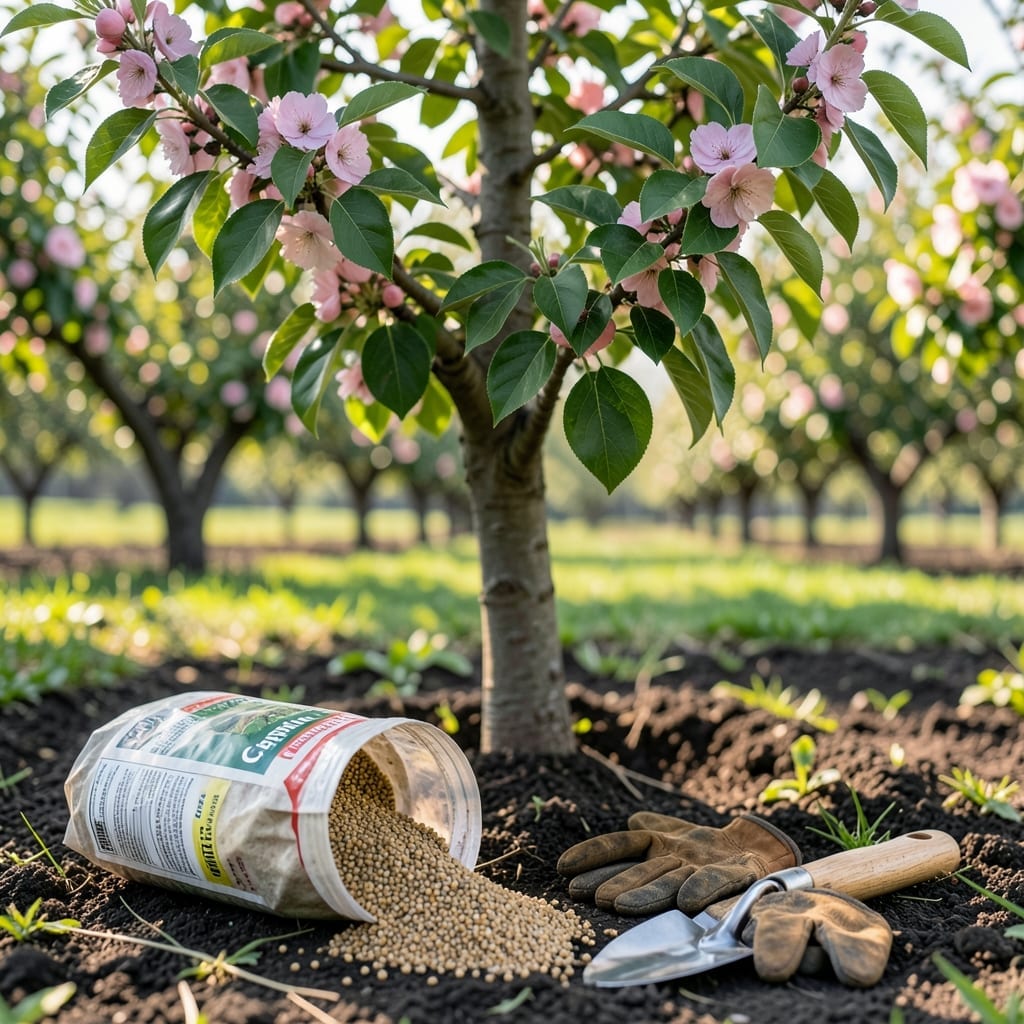
Picture this: your 🍑 Peach Tree bursting with fruit so abundant it bends the branches. That dream harvest starts with one often-overlooked practice that separates the thriving from the struggling.
What you feed your tree and when makes all the difference. I’ve seen firsthand how the right approach transforms sparse, lackluster fruit into a bumper crop of sweet, juicy peaches.
Discover the simple yet powerful fertilization strategy that takes just minutes but yields bigger, healthier results season after season. No guesswork, just proven techniques.
Whether you’re a beginner or seasoned gardener, these tips will help you unlock your Peach Tree’s full potential. Let’s get started.
Timing is everything when it comes to peach tree fertilization. I’ve learned that feeding at the right stages ensures strong roots, vibrant blooms, and bumper fruit without stressing the tree. 🌱
Start in late winter or early spring, just before new growth appears. This gives your tree a nutrient boost as it wakes from dormancy and prepares for the growing season. 🌿
| Growth Stage | Action | Fertilizer Type |
|---|---|---|
| Dormant Season | Light Feed | Low-Nitrogen |
| Early Spring | FEED | Balanced 10-10-10 |
| Post-Harvest | Light Feed | Organic Compost |
| Fall/Winter | Skip | None |
In early spring, apply a balanced fertilizer like 10-10-10 to support both foliage growth and fruit development. I use about 1 lb per inch of trunk diameter.
Spread the fertilizer evenly around the drip line, never touching the trunk. Water deeply afterward to help nutrients soak into the soil and reach the roots. ☀️
During summer, switch to a light feeding every 4-6 weeks. This maintains growth without overwhelming the tree. Avoid high-nitrogen fertilizers now—they can delay fruit ripening.
After harvest, a light application of organic compost or bone meal helps the tree recover. This replenishes nutrients lost during fruit production and prepares it for next year.
Never fertilize in fall or winter. New growth stimulated now won’t harden off before cold weather, making your tree vulnerable to frost damage. 🌳
For young trees, reduce the amount by 50% in the first year. Their root systems are still developing and can’t handle full-strength fertilizer. Always water thoroughly after applying to prevent root burn.
If your soil is sandy or poor, consider more frequent but smaller applications. This prevents nutrient leaching and ensures steady feeding. I’ve seen dramatic improvements with this approach in my own garden. 🪴
Choosing the right fertilizer can make or break your peach tree’s productivity. I always recommend starting with a balanced NPK like 10-10-10 for general health, but the best choice depends on your tree’s specific needs and growth stage.
Organic options like compost or bone meal feed the soil long-term, while synthetic fertilizers offer quick nutrient boosts. Each has its place in a smart fertilization strategy.
For young trees, I use low-nitrogen organic fertilizers to encourage root development. A DIY mix of compost, bone meal, and kelp meal works wonders without the risk of chemical burn.
Mature trees benefit from higher potassium fertilizers during fruiting season. I’ve found that alternating between organic and synthetic every other feeding gives the best of both worlds.
Remember, always test your soil first. A pH between 6.0-7.0 is ideal for peach trees. If your soil is too acidic or alkaline, no fertilizer will work effectively.
Finally, water deeply after fertilizing to help nutrients reach the root zone. This simple step prevents fertilizer burn and ensures your tree gets the full benefit of the nutrients. 🌳