
Beautiful Plants For Your Interior
Beautiful Plants For Your Interior
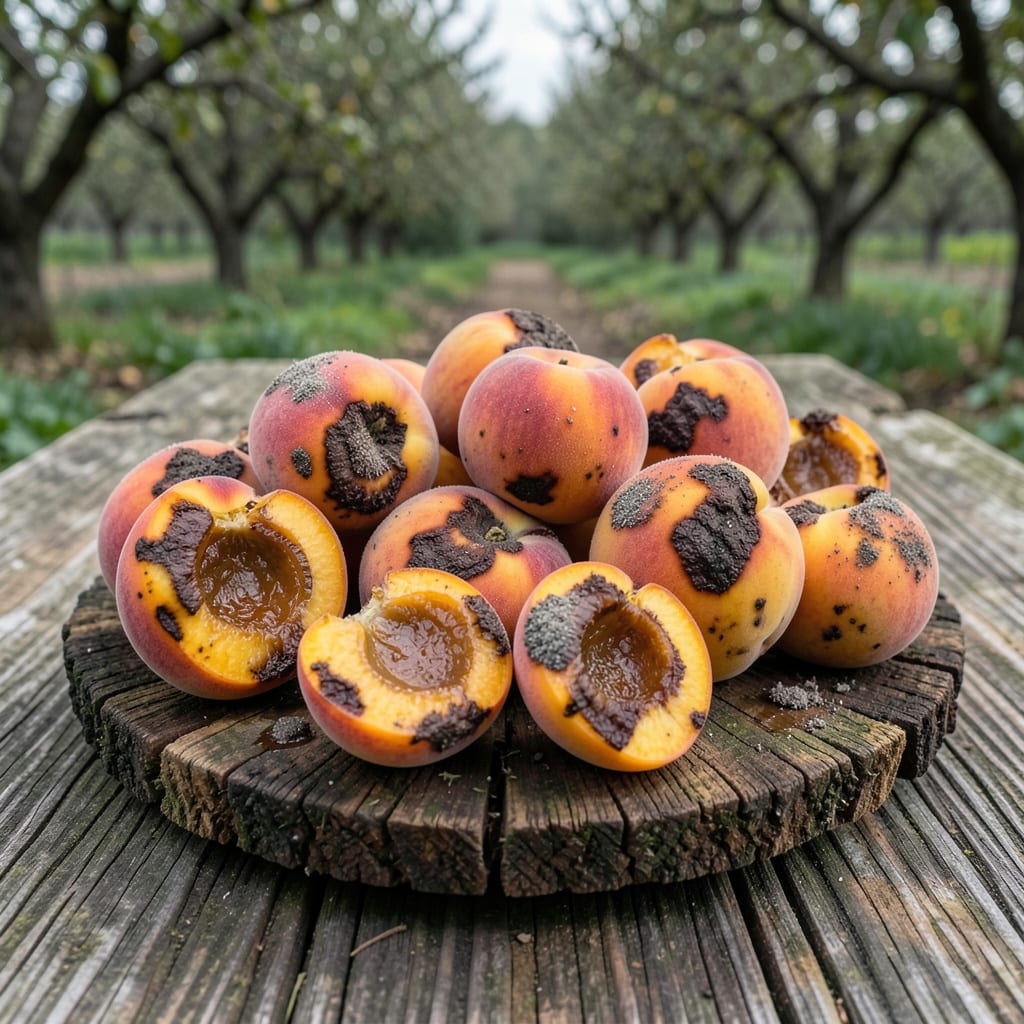
Nothing ruins a peach harvest faster than brown rot. I lost half my crop one year before learning to spot the early warning signs—those telltale brown spots on blossoms and fruit that spread like wildfire.
This fungus thrives in warm, wet conditions, turning promising peaches into mummified husks overnight. The key is catching it before it takes hold, which means inspecting your trees daily during bloom and fruit set.
Organic control works surprisingly well if you act fast. Copper sprays at the right time, removal of infected material, and proper air circulation through pruning can stop it in its tracks.
Prevention is simpler than treatment. Keep your orchard clean, space trees properly, and you’ll avoid most problems before they start.
Peach tree brown rot is a fungal disease caused primarily by Monilinia spp., but its development depends on specific environmental and biological conditions. Below are the key causes behind its occurrence.
Prolonged wetness on blossoms, fruit, or foliage creates the perfect breeding ground for Monilinia spores. Rainy or humid weather, especially during bloom and fruit development, accelerates spore germination and infection. Overhead irrigation or poor air circulation in dense canopies can worsen the problem.
Cool to moderate temperatures (55–75°F) paired with high humidity are ideal for brown rot progression. Sudden temperature drops or frost damage can stress trees, making them more susceptible to fungal entry through wounds or weakened tissue.
The fungus overwinters in mummified fruit, cankers, and fallen leaves. If these infected materials remain in the orchard, they release spores in spring, initiating new infections. Poor sanitary practices, like leaving rotten fruit on the ground, perpetuate the disease cycle.
Some peach cultivars are genetically more vulnerable to brown rot. Older or weakened trees, as well as those with prior wound damage (from pruning, hail, or insects), provide easy entry points for the fungus.
Pests like oriental fruit moths or mechanical damage (e.g., from harvesting tools) create openings for Monilinia spores to colonize. Even minor abrasions on fruit surfaces can invite infection, especially during wet conditions.
Brown rot can be stubborn, but these targeted fixes and prevention steps will help you reclaim your peach tree’s health. Address the root causes first, then keep the problem from returning.
Infected fruit and blossoms are breeding grounds for the fungus. Act fast: pick off any mummified fruit, spotted blossoms, or cankers (sunken, oozing bark lesions) and destroy them—don’t compost. Prune affected branches in dry weather, cutting at least 2–3 inches below visible damage. Sterilize tools with rubbing alcohol between cuts to avoid spreading spores.
Fungus thrives in damp, crowded conditions. Thin out branches to open the canopy, allowing sunlight and air to reach the center. Avoid overhead watering—use drip irrigation at the base instead. If rain is frequent, space trees farther apart and remove weeds or debris around the trunk to limit humidity.
💡 Pro Tip: Water in the early morning so foliage dries quickly in the sun.
For active infections, spray copper-based fungicides (like Bordeaux mixture) or biological options (e.g., Trichoderma or Bacillus subtilis). Apply at bud break, full bloom, and petal fall, then every 10–14 days during wet seasons. Always follow label rates and reapply after heavy rain.
💡 Pro Tip: Rotate fungicides yearly to prevent resistance buildup.
Early symptoms include brown spots on blossoms and small, circular lesions on fruit. These quickly expand into soft, sunken areas with a fuzzy appearance. Check daily during bloom and fruit set.
No. Remove and destroy any fruit showing signs immediately to prevent spore spread. Even slightly spotted peaches will rot completely within 48 hours in wet conditions. Never compost infected material.
Spray at bud break, full bloom, and petal fall, then every 10-14 days during wet weather. Reapply after heavy rain. Organic options like copper work best as preventatives.
Yes, but only in dry weather. Remove all cankers and infected branches, cutting 2-3 inches below visible damage. Sterilize tools between cuts to avoid spreading spores.
