
Beautiful Plants For Your Interior
Beautiful Plants For Your Interior
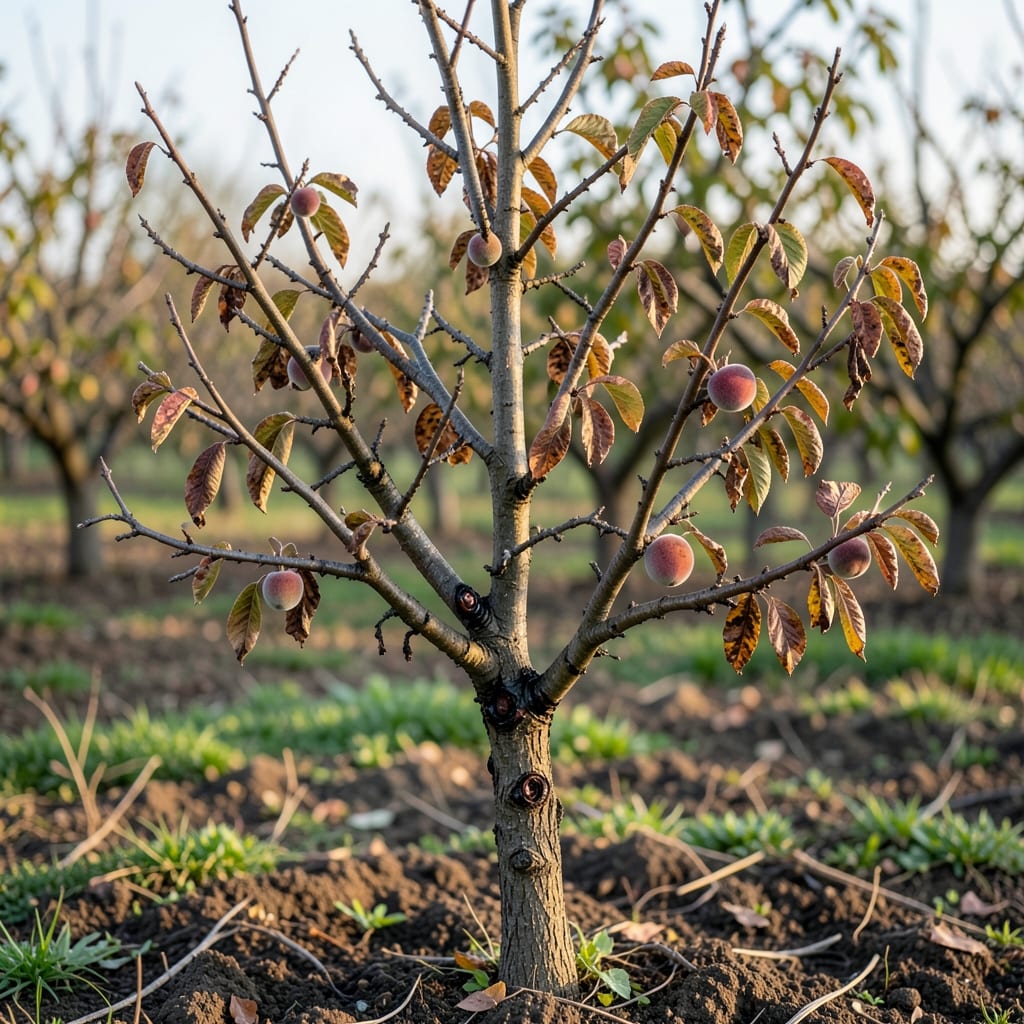
Spotted something off with your peach tree? I’ve been there—watching healthy branches turn brown overnight. Peach tree blight sneaks in fast, but catching it early saves your harvest.
Look for wilting leaves, oozing cankers, or sudden dieback. The culprit is usually a fungal or bacterial infection thriving in wet conditions. Left untreated, it spreads from branch to branch.
Prune infected limbs immediately and sterilize tools between cuts. A copper fungicide spray can stop the spread, but prevention starts with good airflow and dry foliage.
With quick action, your tree can recover and still produce delicious fruit next season. Don’t wait—check your trees today.
Peach tree blight is a common and destructive disease, but understanding its root causes helps in prevention and early intervention. Below are the primary reasons why this issue develops, explained with actionable insights.
The most frequent culprit is Monilinia spp., a group of fungi that thrive in warm, humid conditions. These pathogens produce spores that infect blossoms, fruit, and twigs, leading to brown rot and blossom blight. Wet springs or poor air circulation accelerate spore spread, making sanitation (removing infected plant debris) and fungicide applications critical.
Excessive moisture from rain, overhead irrigation, or high humidity creates an ideal breeding ground for blight. Trees in poorly drained soil or crowded plantings are especially vulnerable. Pruning to improve airflow and avoiding late-season watering can reduce risk. Drought-stressed trees are also more susceptible, as their weakened defenses can’t fend off infections.
Insects like aphids, borers, and fruit flies can introduce fungal spores or bacteria into the tree through wounds or feeding sites. Integrated pest management (IPM), including beneficial insect releases and horticultural oils, helps control these vectors before they trigger secondary infections.
Improper pruning (e.g., using unsterilized tools) or failing to remove mummified fruit and cankers allows pathogens to overwinter. Always disinfect pruning tools with a 10% bleach solution between cuts, and destroy infected material—never compost it. Planting resistant peach varieties (e.g., ‘Redhaven’ or ‘Elberta’) can also minimize vulnerability.
Tackling peach tree blight starts with identifying the root cause. Below are targeted fixes for common triggers, plus prevention tips to keep your tree thriving.
If brown, wilting leaves or cankers appear, act fast. Remove infected branches at least 6 inches below the damage using sterilized pruners. Dispose of debris in sealed bags—do not compost. Apply a copper-based fungicide to cuts and remaining foliage, repeating every 10–14 days during wet seasons. 💡 Prevent it: Thin branches yearly to improve airflow and reduce humidity.
Boring insects (like peach tree borers) create entry points for blight. Scrape out larvae from bark holes and fill cavities with insecticidal clay. Hang pheromone traps in spring to disrupt mating cycles. 🎯 Prevent it: Wrap trunks with burlap in fall to trap overwintering pests, then burn the material before buds swell.
Root rot from soggy soil mimics blight symptoms. Test drainage by digging a 1-foot hole—if water remains after 24 hours, amend soil with sand or organic matter. Water deeply but only when the top 2 inches of soil are dry. ✨ Prevent it: Plant peach trees in raised beds if your soil is heavy clay.
Drought, frost, or nutrient deficiencies weaken trees, making them blight-prone. Mulch with 2–3 inches of wood chips to retain moisture and regulate soil temperature. Fertilize in early spring with a balanced 10-10-10 formula, avoiding high-nitrogen mixes. 🌱 Prevent it: Water consistently during dry spells and protect blossoms from late frosts with frost cloth.
Early symptoms include wilting or curling leaves that turn brown or black. You may also notice oozing cankers on branches or a sudden dieback of twigs.
If over 50% of the tree shows dieback, removal is best to prevent spread. For less severe cases, aggressive pruning and fungicide treatment may restore health.
Apply copper fungicide every 10-14 days during wet seasons. Begin at bud break and continue until harvest. Always follow label instructions.
Pruning removes infected parts but must be paired with sterilization and fungicide. Remove branches 6 inches below visible damage and disinfect tools between cuts.