
Beautiful Plants For Your Interior
Beautiful Plants For Your Interior
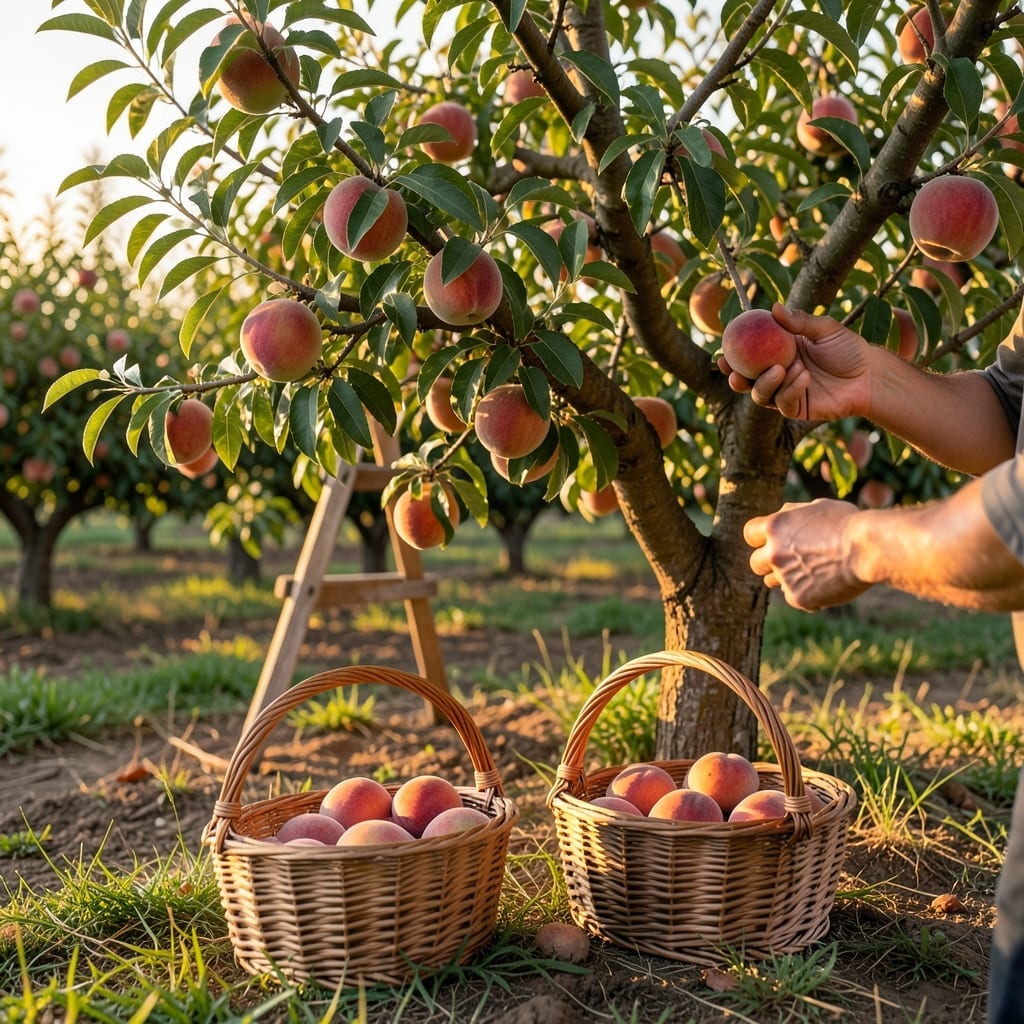
Knowing the perfect peach harvest time means the difference between tart disappointment and sun-ripened sweetness bursting in every bite. Timing is everything when it comes to picking 🍑 peaches at their peak flavor and texture.
Nothing beats the taste of a tree-ripened peach, but getting it right requires more than just patience. You need to watch for subtle signs that most gardeners overlook.
I’ll show you exactly what to look for, from color changes to the telltale aroma that signals your peaches are ready. These small details make all the difference.
Discover how to identify the perfect moment to pick, regardless of whether you’re in zone 5-9 or growing a different variety. Your taste buds will thank you.


I always tell gardeners that peach harvest time is a multi-sensory experience. You need to look, feel, and even smell to confirm ripeness. The most obvious sign is the color change from green to a vibrant yellow or orange hue.
But color alone isn’t enough. I check for a slight give when I gently squeeze the fruit. If it’s rock hard, it’s not ready. The stem end should also emit a sweet aroma, which is a dead giveaway for peak ripeness.
| Sign | Clingstone | Freestone |
|---|---|---|
| Color | Deep yellow with red blush | Golden yellow to orange |
| Firmness | Slightly soft near stem | Yields to gentle pressure |
| Aroma | Sweet at stem end | Strong peach scent |
| Stem Separation | Twists off easily | Comes away cleanly |
For clingstone peaches, the flesh clings to the pit, so I look for a deep yellow base with a red blush. These often ripen a bit earlier in the season. The stem should twist off with a gentle pull when ready.
Freestone peaches, where the flesh separates easily from the pit, typically have a more uniform color. I find they often develop a stronger aroma at the stem end when fully ripe. Both types should have a slightly fuzzy skin that’s not too tough.
I always do the “twist test” – if the fruit comes off the tree with a gentle twist and a slight tug, it’s ready. If I have to yank hard, I leave it for another day or two. This method prevents damaging the fruit or the tree.
The background color is crucial. For most varieties, the green should be completely gone from the skin. Some heirloom types might retain a greenish tint near the stem, but the majority should be golden or orange.
I pay special attention to the area around the stem. This is often the first place to show true color and soften. If this spot is still hard and green, the peach isn’t ready, no matter how colorful the rest of the fruit looks.
Remember that harvest time can vary even on the same tree. Fruit on the sunny side often ripens first. I make it a habit to check different areas of the tree and harvest in multiple passes over several days.
Finally, I always harvest in the cool morning hours when the fruit is firm. This helps prevent bruising and gives me the best chance to assess true ripeness without the softening effects of afternoon heat.
I’ve found that peach harvest time varies widely based on climate zones and variety types. Early-season peaches often ripen in late June, while late varieties may hold out until early September. Your USDA hardiness zone plays a huge role in this timeline.
In warmer zones 7-9, peaches typically mature 2-3 weeks earlier than in cooler zones like 5-6. This means gardeners in Georgia might harvest in July, while those in Michigan wait until August or later.
I always recommend checking local extension office guides for precise timing. For example, clingstone peaches often ripen 1-2 weeks before freestone varieties in the same zone. This is why observing your trees is just as important as following general guidelines.
Even within the same zone, microclimates can shift harvest time. A south-facing slope might produce earlier peaches than a shaded valley. I’ve seen this firsthand in my own orchard where sun exposure made a 10-day difference in ripening.
Don’t forget that weather patterns affect timing too. A cool spring can delay harvest by 7-14 days, while a hot summer might accelerate it. I always keep a garden journal to track these variations year to year.
For the most accurate results, combine zone guidelines with visual cues from your trees. When the fruit color deepens and the aroma strengthens, it’s usually time to start testing for ripeness.
☀️