
Beautiful Plants For Your Interior
Beautiful Plants For Your Interior
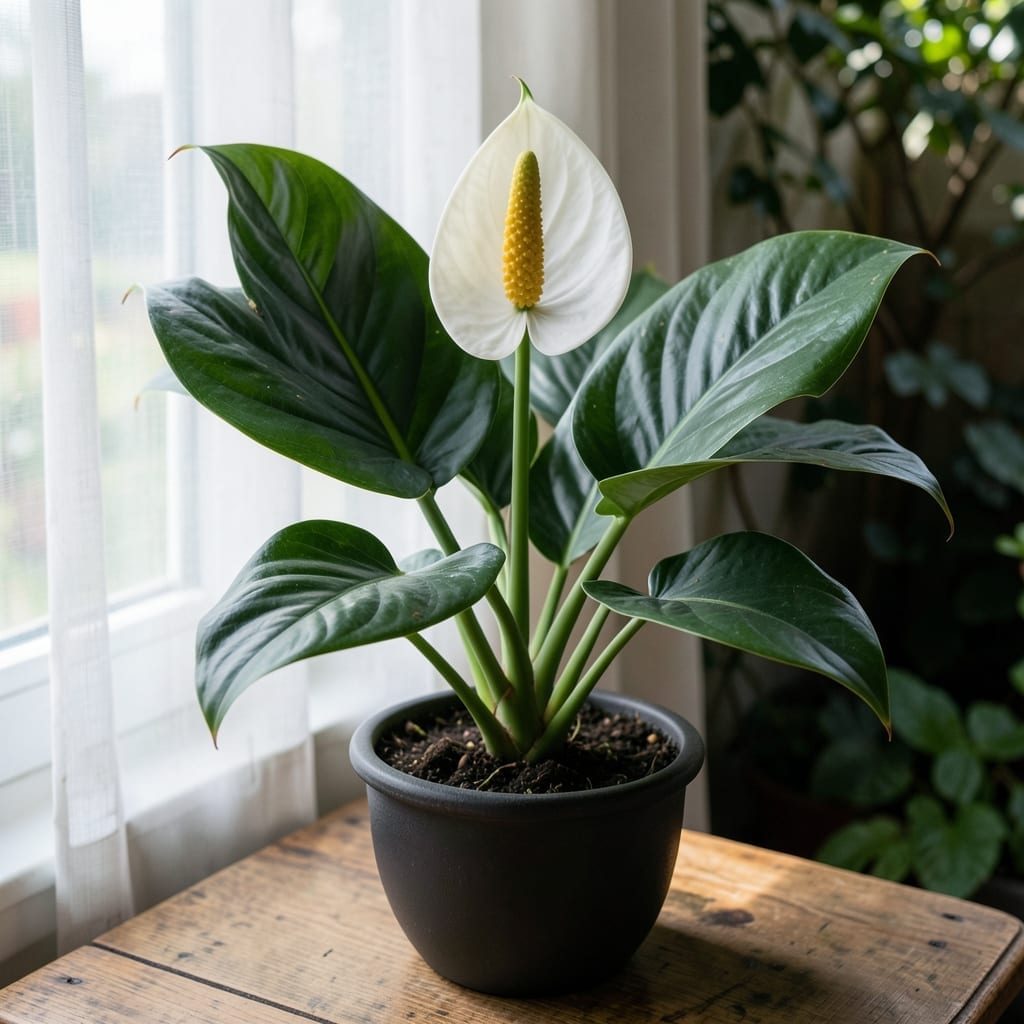
Those brown tips on your peace lily aren’t a death sentence. 🌿 I’ve saved countless plants by fixing just one thing: the water they drink.
Tap water’s chlorine and fluoride build up in the soil, burning the sensitive leaf edges. Switch to distilled or rainwater, and you’ll see new growth coming in vibrant green within weeks.
Low humidity and over-fertilizing can also cause crispy tips. A pebble tray with water or a humidifier helps, and easing up on the plant food prevents salt buildup in the roots.
Small changes, big results—your peace lily will thank you with lush, tip-free leaves again.
The browning of peace lily (Spathiphyllum) tips is often a distress signal from your plant. This issue typically stems from environmental stressors or care mismanagement. Below are the most common causes, explained scientifically and practically.
Municipal tap water often contains chlorine or fluoride, which are added for human safety but can accumulate in the soil over time. Peace lilies are sensitive to these chemicals, which disrupt their cellular processes, leading to tip burn. Action: Use filtered, distilled, or rainwater to avoid this buildup.
Peace lilies thrive in consistently moist but well-drained soil. Overwatering suffocates the roots, preventing oxygen uptake, while underwatering causes dehydration. Both conditions stress the plant, resulting in brown tips. Action: Water when the top inch of soil feels dry, and ensure pots have drainage holes.
As tropical plants, peace lilies prefer humidity levels of 40-60%. Dry air (common in heated or air-conditioned spaces) draws moisture from the leaves, causing edges to brown. Similarly, direct sunlight can scorch the delicate foliage. Action: Mist leaves regularly, use a humidifier, or place the plant in bright, indirect light.
Excess salts from fertilizers or hard water accumulate in the soil, increasing its osmotic potential. This makes it harder for roots to absorb water, leading to dehydration and browning. Action: Flush the soil with distilled water every few months and fertilize sparingly (every 6-8 weeks in growing season).
Peace lilies prefer temperatures between 65-80°F (18-27°C). Exposure to cold drafts (below 50°F/10°C) or hot, dry air can shock the plant, manifesting as brown tips. Action: Keep the plant away from vents, drafty windows, or heating sources.
Peace lilies are forgiving, but brown tips signal it’s time to act. Below are targeted fixes for the most common causes, paired with prevention tips to keep your plant thriving.
Let tap water sit out overnight to allow chlorine to evaporate. For fluoride, switch to distilled, rainwater, or filtered water. Prevention tip: Always use room-temperature water to avoid shocking the roots.
Move your peace lily to a spot with bright, indirect light—like an east-facing window. If only harsh light is available, use a sheer curtain to diffuse it. Prevention tip: Rotate the plant weekly for even growth.
Mist the leaves regularly or place the pot on a tray of pebbles and water to boost humidity. Water when the top inch of soil feels dry. Prevention tip: Group plants together to create a microclimate with higher moisture.
Flush the soil with distilled water to remove excess salts. Reduce fertilizer use to every 6–8 weeks during growing season. Prevention tip: Use a balanced, diluted houseplant fertilizer to avoid burn.
Repot your peace lily every 1–2 years or if roots circle the pot. Ensure the container has drainage holes and use well-draining potting mix. Prevention tip: Check roots during repotting and trim any brown or mushy ones.
Pro tip: 🌿 Trim brown tips with clean scissors (cut along the leaf’s natural shape) to improve appearance while the plant recovers.
Water when the top 1 inch of soil feels dry. Typically, this means watering every 1-2 weeks, but check soil moisture first. Overwatering can cause root rot, leading to brown tips.
Tap water often contains chlorine or fluoride, which can cause tip burn. Let it sit out overnight to evaporate chlorine, or use filtered, distilled, or rainwater for best results.
Peace lilies thrive at 40-60% humidity. If your home is dry, use a humidifier, mist the leaves, or place the pot on a pebble tray with water to boost moisture.
Yes! Use clean scissors to trim along the leaf’s natural shape. This improves appearance and prevents further damage while the plant recovers.