
Beautiful Plants For Your Interior
Beautiful Plants For Your Interior
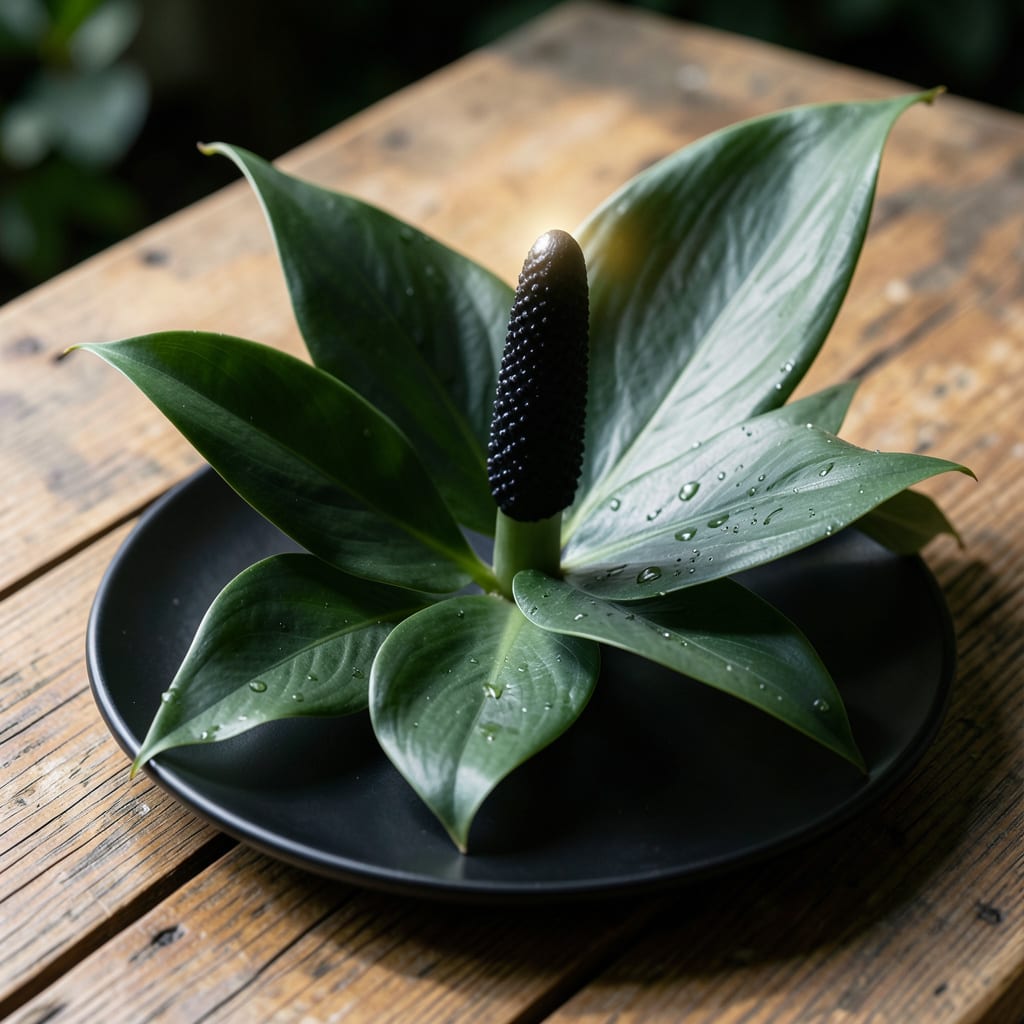
My peace lily’s spadix turned black overnight last winter. It looked dramatic, but the problem is usually fixable once you understand what’s stressing your plant.
Most cases trace back to water issues—either too much or too little—or environmental shock like sudden temperature drops. The good news? Peace lilies are tough, and with the right adjustments, they bounce back quickly.
You’ll see new growth within 2-3 weeks once conditions improve. The key is catching it early and addressing the root cause rather than just trimming the blackened parts.
This works for any peace lily, whether it’s in a dark corner or a bright windowsill. Here’s how to diagnose and fix it.
The blackening of a peace lily’s spadix (the spike-like flower) is a distress signal tied to environmental stress or care mistakes. Below are the primary causes, explained in practical terms.
Peace lilies thrive in 65–80°F (18–27°C). Exposure to drafts, AC vents, or sudden cold snaps below 50°F (10°C) disrupts cellular function in the spadix. Cold damage causes tissue death (necrosis), turning it black. Similarly, heat stress above 85°F (29°C) accelerates moisture loss, leading to scorching.
Soggy soil suffocates roots, blocking oxygen uptake. This triggers root rot (Phytophthora or Pythium fungi), which spreads to the spadix via the stem. The result? A mushy, blackened spike. Check soil moisture with your finger—water only when the top inch is dry.
While peace lilies tolerate low light, prolonged darkness weakens the plant, making the spadix prone to fungal infections. Conversely, direct sunlight (especially afternoon rays) burns delicate spadix tissues. Aim for bright, indirect light to prevent both issues.
Excess fertilizer—particularly high-nitrogen blends—can cause salt burn, where mineral buildup in the soil draws water out of the spadix, drying it to a crisp. Use a balanced, diluted fertilizer (e.g., 20-20-20 at half strength) every 6–8 weeks during growing season.
Pathogens like Botrytis (gray mold) or Erwinia (bacterial soft rot) thrive in humid, poorly ventilated conditions. They enter through wounds or water droplets, turning the spadix black and slimy. Improve airflow, avoid wetting the spadix, and remove infected parts immediately.
If your peace lily’s spadix has turned black, don’t panic—there are clear fixes for the most common causes. Below are practical solutions tailored to each issue, plus prevention tips to keep your plant thriving.
Let the top 1-2 inches of soil dry out before watering again. Always check moisture by sticking your finger in the soil. If it feels damp, wait. Use pots with drainage holes and empty saucers after watering to prevent root rot, which can cause black spadices.
Prevention: Water only when needed, and consider a moisture meter for accuracy. 💡 Pro tip: Peace lilies wilt slightly when thirsty—this is a better signal than a fixed schedule.
Remove the blackened spadix with sterilized pruners to stop the spread. Apply a copper-based fungicide or a diluted hydrogen peroxide solution (1 tsp per cup of water) to the affected area. Improve air circulation around the plant by spacing it away from others.
Prevention: Avoid overhead watering, which can promote fungal growth. Keep leaves dry, and ensure good airflow in the growing area.
Move your peace lily away from cold drafts, AC vents, or heaters. Ideal temperatures are between 65–80°F (18–27°C). If the plant was exposed to cold, trim the black spadix and monitor for new growth.
Prevention: Keep your plant in a stable spot, away from sudden temperature swings. Avoid placing it near doors or windows that open frequently in winter.
If over-fertilizing is the issue, flush the soil with water to remove excess salts. Switch to a balanced, diluted houseplant fertilizer (e.g., 10-10-10) and follow the label’s instructions. If under-fertilizing, feed monthly during the growing season (spring and summer).
Prevention: Fertilize lightly and less often in fall and winter, when growth slows. Always water thoroughly after feeding to distribute nutrients evenly.
Not necessarily. It often means the flower is stressed but the plant itself is still healthy. Remove the affected spadix and address the underlying issue to encourage new growth.
Yes. Use clean, sharp pruners to remove it at the base. This prevents the spread of potential infection and allows the plant to redirect energy to healthy parts.
With proper care, you may see a new spadix in 2-3 months. Ensure stable conditions—consistent watering, indirect light, and 65–80°F temperatures—to speed up recovery.
Indirectly, yes. Dry air stresses the plant, making it more susceptible to infections or tissue damage. Aim for 40-60% humidity and mist leaves occasionally.
