
Beautiful Plants For Your Interior
Beautiful Plants For Your Interior
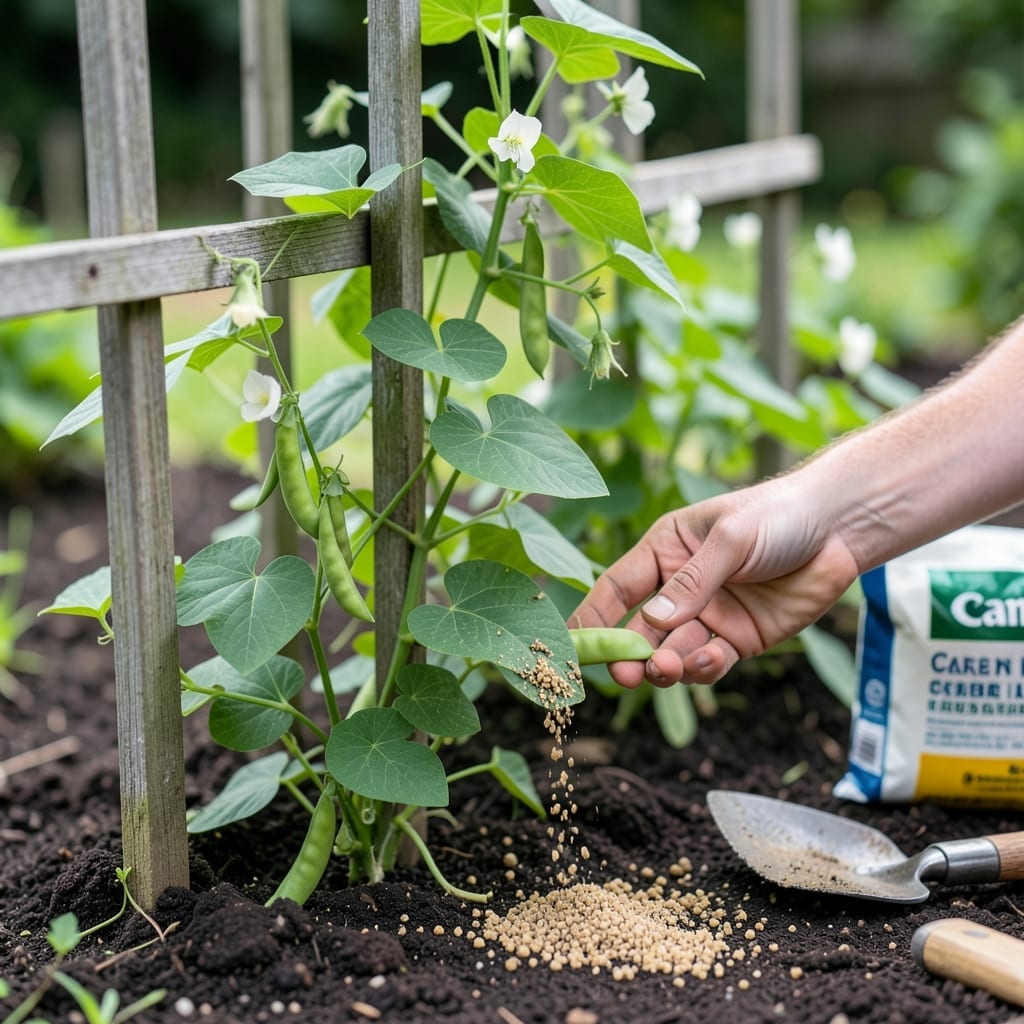
Pea plants might be light feeders, but don’t let that fool you. The right fertilizer can make all the difference between a mediocre harvest and a bumper crop of sweet, plump peas.
I’ve learned that organic options often work best for these spring favorites, giving them the gentle nutrient boost they need without harsh chemicals. Whether you’re growing in zone 6a or elsewhere, the approach is similar.
The 🌱 Pea thrives when you understand its unique needs. Timing and technique matter just as much as the fertilizer type itself.
Discover how to give your peas the perfect nutritional support for maximum yield this season. It’s simpler than you might think.

Pea plants are light feeders but thrive with the right organic fertilizer. Unlike heavy feeders, peas actually fix nitrogen in the soil, so they need minimal additional nutrients. I’ve found that balanced organic options work best for promoting healthy growth and pods.
Choosing the right fertilizer can boost yield and improve plant vigor. I always recommend natural options like compost or worm castings, as they provide slow-release nutrients without harming the soil ecosystem.
| Fertilizer | N-P-K Ratio | Best For | Application |
|---|---|---|---|
| Compost | Varies | Soil health | Mix into soil at planting |
| Worm Castings | 1-0-0 | Root growth | Top-dress or mix into soil |
| Bone Meal | 3-15-0 | Flowering | Work into soil before planting |
| Fish Emulsion | 5-1-1 | Leafy growth | Dilute and apply as foliar spray |
Compost is my top choice for peas because it improves soil structure and provides a wide range of nutrients. It’s gentle and perfect for light feeders like peas. I mix it into the soil before planting.
Worm castings are another favorite. They’re rich in microorganisms that help root development and nutrient uptake. I use them as a top-dressing or mix them into the soil at planting time.
Bone meal is great for flowering and pod formation. It’s high in phosphorus, which supports strong root systems and abundant blooms. I work it into the soil before planting for best results.
Fish emulsion is a quick-acting liquid fertilizer that provides an immediate nutrient boost. It’s especially useful if your peas show signs of nitrogen deficiency, like yellowing leaves.
For best results, I combine these fertilizers. For example, I’ll use compost at planting and then apply fish emulsion as a foliar spray during the growing season. This ensures a steady supply of nutrients without overloading the plants.
Remember, peas don’t need much fertilizer. Too much can reduce yield and harm the plants. I stick to light applications and monitor my plants for signs of nutrient deficiencies or excesses.
With the right organic fertilizers, your pea plants will grow strong and productive, giving you a bountiful harvest of sweet, crisp pods. 🌱
Pea plants need timely fertilization to thrive, but they’re sensitive to overfeeding. I’ve found that light applications at key stages make all the difference for healthy growth and maximum yield. Start with a nutrient boost at planting.
Then, follow up with a second feeding when plants reach about 6 inches tall. This supports their rapid growth phase and ensures strong stems for pod development.
For application methods, I prefer side-dressing for granular fertilizers. This keeps nutrients near the roots without risking burn damage to stems or leaves. Always water thoroughly after applying to help nutrients soak in.
Foliar sprays can also be effective, especially for a quick nutrient boost. Use a diluted fish emulsion or seaweed extract early in the morning for best absorption. Avoid spraying in direct sunlight to prevent leaf burn.
Remember, peas are light feeders, so less is often more. Over-fertilizing can lead to excessive foliage with fewer pods. Stick to organic options and monitor plant response closely.
Finally, always fertilize in the early morning when temperatures are cooler. This reduces stress on the plants and allows them to absorb nutrients more efficiently throughout the day 🌱