
Beautiful Plants For Your Interior
Beautiful Plants For Your Interior
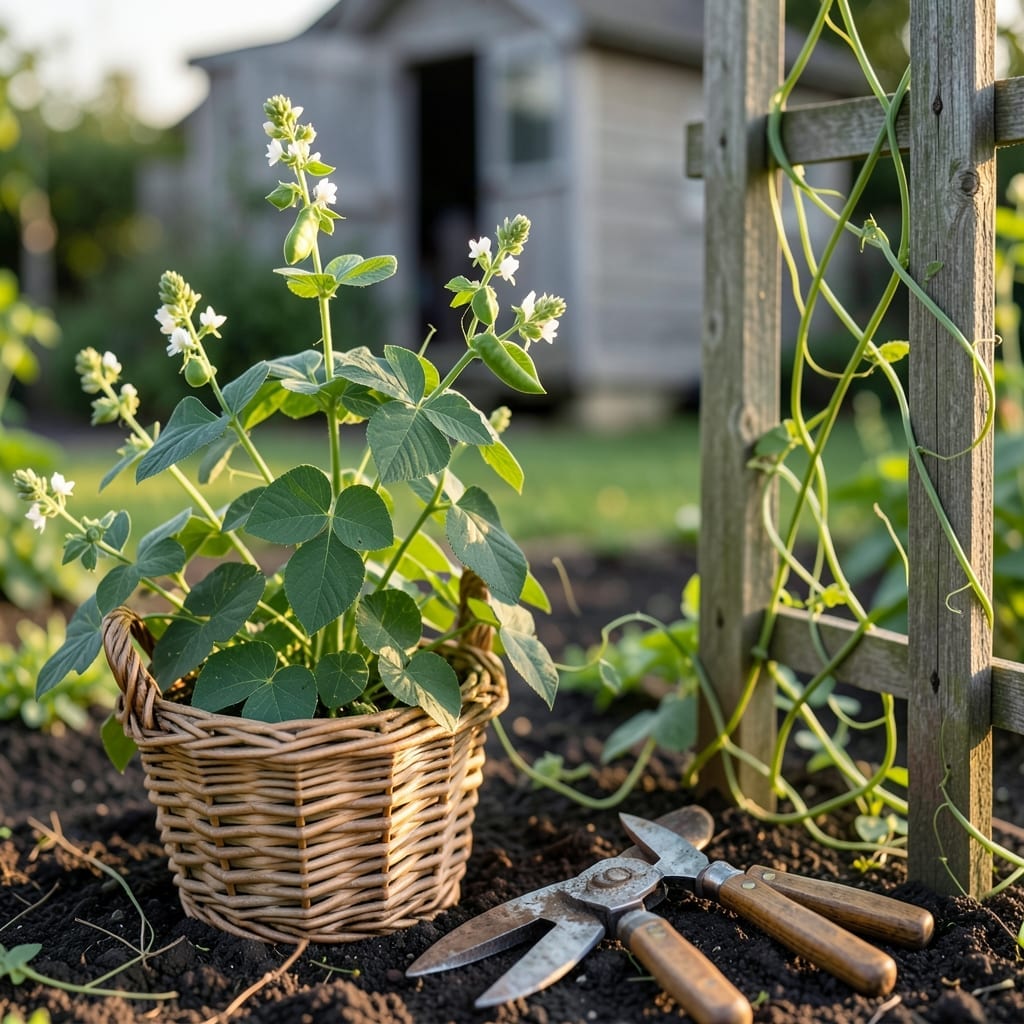
Knowing the exact moment to harvest your 🌱 Pea can transform your garden results. There’s nothing worse than picking pods too late and finding them tough and bitter.
I’ve learned that watching for pod plumpness and stem changes makes all the difference. These subtle signs tell you when your peas are at their sweetest and most tender.
Whether you’re growing snap, shelling, or snow varieties, timing your harvest right means better flavor and texture. The window is short, so you need to act fast when the moment arrives.
Let me show you the key indicators to watch for, so you’ll never miss that perfect picking moment again. Your taste buds will thank you.

I’ve found that pea harvest time is all about the visual cues your plants give you. The first sign I look for is pod plumpness. When the pods start to swell and feel slightly rounded, that’s your first hint they’re getting close to perfect.
Next, I check the color and texture. Ready peas have bright green pods that look almost glossy. If they’re still dull or flat, they need more time to develop their sweet flavor.
| Variety | Pod Appearance | Seed Development |
|---|---|---|
| Snap Peas | Plump, thick walls | Peas just visible |
| Shelling Peas | Slightly bulging | Peas fully formed |
| Snow Peas | Flat, thin walls | Peas barely visible |
For snap peas, I wait until the pods are about 2-3 inches long and the peas inside are just starting to show through the pod skin. They should feel crisp when I snap them off the vine.
With shelling peas, the pods will be slightly larger, often 3-4 inches. The peas inside will be clearly visible as distinct bumps, but the pod itself might be starting to fade in color.
I’ve learned that snow peas are ready when the pods are still flat but the peas inside are just beginning to develop. The trick is to pick them before the peas get too large and lose their tenderness.
Another trick I use is the bend test. If a pod bends easily without snapping, it’s not ready yet. When it snaps cleanly with a satisfying crunch, that’s your sign to start harvesting.
The color transition is also telling. Most peas start with a dull green that gradually becomes more vibrant. When that color deepens and the pod looks shiny, it’s usually time to pick.
I always check multiple pods on different parts of the plant. Peas don’t all ripen at once, so you’ll often find some ready while others need a few more days. This ensures I’m not missing any at their peak.
Remember that morning harvesting gives you the crispiest pods. The plants are full of moisture from overnight dew, making the peas taste sweeter and more tender.
Finally, I keep a harvest journal to track which varieties mature fastest in my garden. This helps me plan my planting schedule for continuous harvests throughout the growing season. 🌱
I always look beyond the pods to the stems and vines for harvest clues. The main stem often changes from bright green to a slightly woodier texture as peas approach readiness.
Another telltale sign is when the vines start yellowing at the base. This indicates the plant is shifting energy to seed production, meaning your harvest window is open.
The tendrils are particularly revealing. When they start to curl and brown, it’s a strong indicator that the plant has finished its climbing phase and is focusing on seed development.
I also watch for leaf color changes. While the top leaves stay green, the lower ones often turn yellow or pale as nutrients move upward to the developing pods.
Don’t overlook the vine texture. Ready-to-harvest peas often have vines that feel slightly rougher to the touch, a sign they’ve matured beyond the tender growth stage.
Remember that these vine changes happen gradually. I check my plants daily once they reach 50-60 days after planting, as this is when most varieties start showing these maturity signs. 🌱