
Beautiful Plants For Your Interior
Beautiful Plants For Your Interior
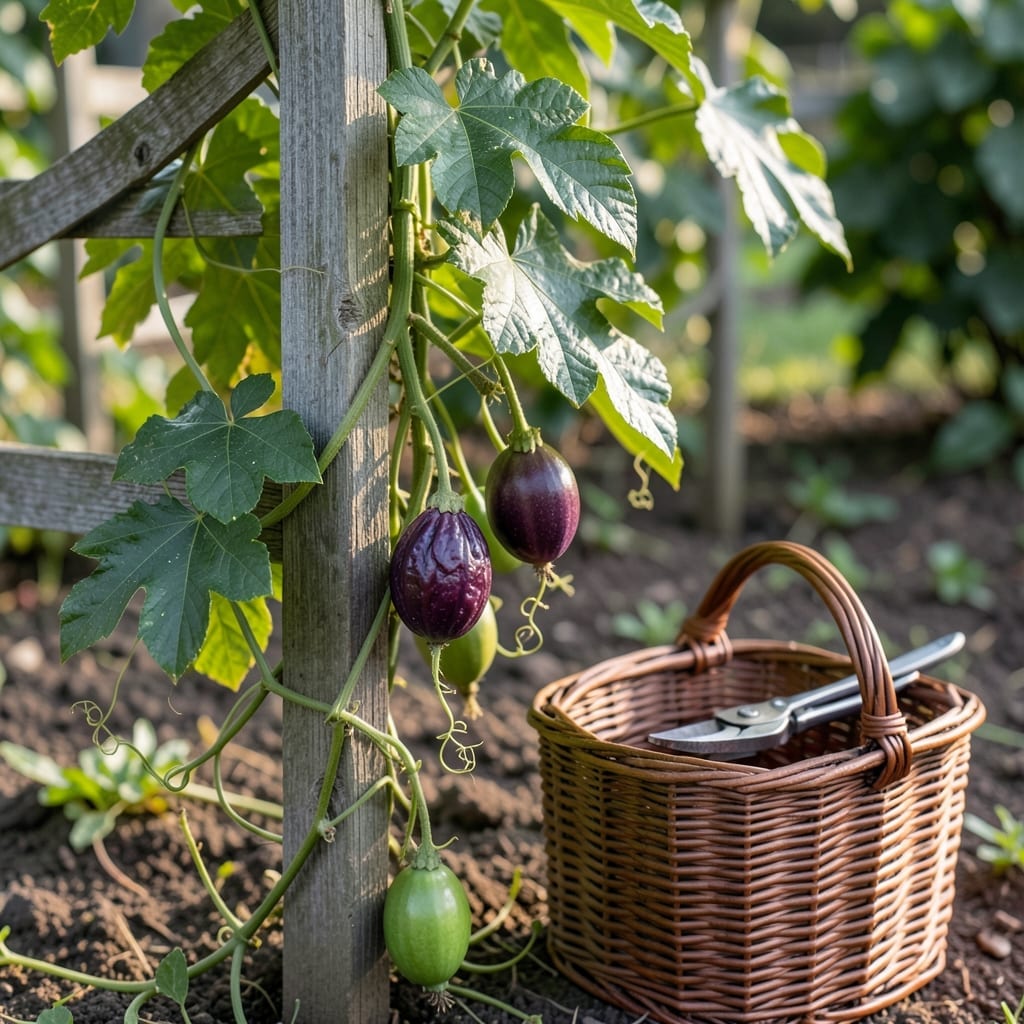
There’s nothing quite like biting into a perfectly ripe Passionfruit 🧡 and tasting that burst of tropical sweetness. But how do you know when it’s truly ready to pick?
Timing your harvest right makes all the difference between a bland experience and a flavor explosion. The key lies in noticing subtle changes in color, texture, and scent.
I’ve learned that waiting for the stem to slip and the aroma to intensify ensures the best results. These simple cues can transform your harvest from good to unforgettable.
Let me show you exactly how to spot these signs so you can enjoy the sweetest Passionfruit every time.

Timing your passionfruit harvest perfectly starts with watching the stem connection. As fruits mature, the stem dries and shrinks, creating a natural slip joint where it attaches to the vine.
This stem slip is your first sign—a ripe passionfruit will detach with just a gentle tug. The color transformation from green to deep purple or golden yellow confirms the process.
| Sign | Description |
|---|---|
| Stem Slip | Dries and detaches easily |
| Color Change | Deep purple or golden yellow |
| Skin Texture | Slightly wrinkled surface |
| Weight | Feels heavy for size |
Many gardeners make the mistake of judging by size alone. A large green fruit is still unripe, while a smaller one with purple skin might be ready. Always check the stem first.
The skin’s wrinkling is another key indicator. As the fruit ripens, the outer skin develops fine wrinkles, signaling the pulp inside has reached peak sweetness and jelly-like consistency.
I’ve found that fruits growing in full sun often ripen faster than those in partial shade. Monitor your vines daily as the harvest window approaches, typically 70-90 days after flowering.
For yellow varieties like ‘Golden Giant’, the color change is more subtle. Look for a shift from bright green to a duller yellow hue, combined with the stem slip.
Remember that weather conditions affect ripening. Hot, dry spells may accelerate the process, while cool, wet weather can delay it by several days.
If you’re unsure, try the shake test. Hold the fruit to your ear and shake gently—ripe passionfruits will have seeds rattling inside, indicating the pulp has separated from the skin.
Finally, trust your sense of smell. A ripe passionfruit emits a sweet, tropical aroma that’s hard to miss when you’re close to the vine. This scent intensifies as the fruit reaches its peak.
✂️While stem slip and color change are primary indicators, I always rely on aroma as my secret weapon for perfect timing. A ripe passionfruit releases a strong sweet fragrance that you can detect from a foot away.
This tropical scent intensifies as the fruit matures, becoming most pronounced when the pulp is at peak sweetness. If you don’t notice any smell, the fruit likely needs more time on the vine.
The skin texture offers another reliable clue. As passionfruits ripen, their smooth surface develops fine wrinkles, especially around the stem area. This isn’t a sign of spoilage but rather of peak ripeness.
For the shake test, gently hold the fruit to your ear and move it. Ripe fruits will have loose seeds that create a distinct rattling sound, indicating the pulp has separated from the skin.
I’ve noticed that purple varieties often develop more pronounced wrinkles than yellow types. The wrinkling is most visible when the fruit is fully detached from the vine but can start appearing while still attached.
Remember that temperature affects aroma. On cooler days, the scent might be less noticeable. For best results, check your fruits during the warmest part of the day when the fragrance is strongest. ✂️