
Beautiful Plants For Your Interior
Beautiful Plants For Your Interior
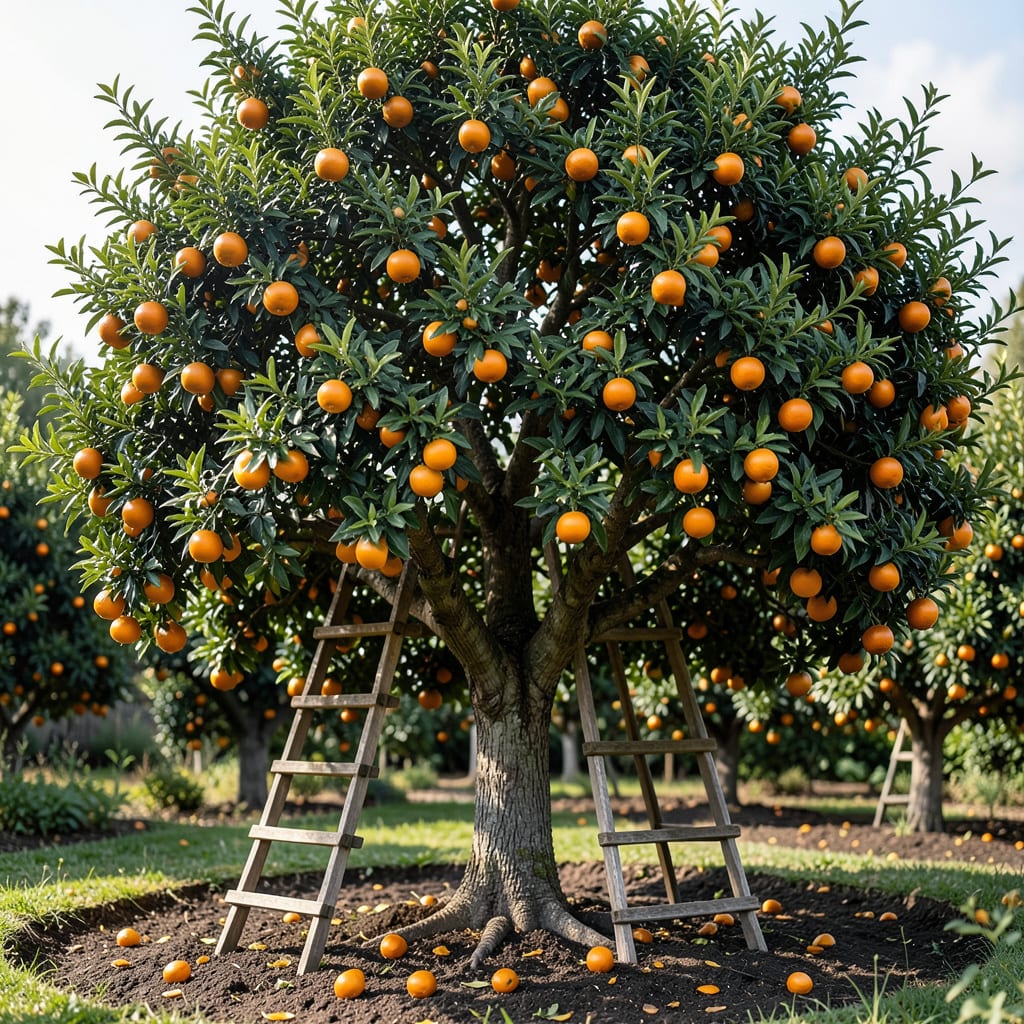
This tree changed my winter fruit game completely. Parson Brown oranges bring sweet, juicy citrus to backyards where other varieties won’t survive the cold.
They handle 20°F better than most oranges, and the fruit ripens late season when others are done. Plant in full sun, give it good drainage, and you’ll get a hardy tree that produces for decades.
📚 In This Guide
Here’s the method I use to get these cold-hardy citrus trees off to a strong, productive start.
Select a spot with full sun exposure—at least 6-8 hours of direct sunlight daily. The Parson Brown tolerates partial shade but produces far fewer fruits. I always check the area at different times of day to confirm consistent light.
Ensure the soil drains well. Citrus roots rot quickly in waterlogged conditions. Test by digging a 12-inch deep hole, filling it with water, and checking if it drains within 1-2 hours. If not, amend the area or choose a raised bed.
Dig a hole that’s twice as wide as the root ball and just as deep. This gives the roots room to spread without sinking the tree too low. I loosen the soil at the sides of the hole to encourage outward root growth.
Mix the native soil with compost or aged manure to improve fertility and drainage. Avoid fresh manure, as it can burn young roots. The soil should feel loose and crumbly, not packed or clay-heavy.
Remove the tree from its container and gently loosen any circling roots. Place it in the hole so the top of the root ball sits 1-2 inches above the surrounding soil. This prevents water from pooling around the trunk.
Backfill the hole with the amended soil, pressing lightly to eliminate air pockets. Water deeply with 5-10 gallons to settle the soil. I create a small berm around the edge to help retain moisture during the first few weeks.
Apply a 2-3 inch layer of mulch around the base, keeping it at least 6 inches away from the trunk. Mulch conserves moisture and suppresses weeds, but piling it against the trunk invites rot and pests.
In colder climates, wrap the trunk in tree guard tape or burlap to protect against frost cracks. The Parson Brown is cold-hardy to 18-20°F, but young trees benefit from extra insulation during their first winter.
Water the tree deeply 2-3 times per week for the first month, then taper to once a week once established. Always check the soil first—water only when the top 2-3 inches feel dry.
Overwatering is a common mistake. Yellowing leaves or wilting despite moist soil often signal root rot. I adjust my schedule based on rainfall and temperature, reducing frequency in cooler or wetter periods.
Small details make the difference between a struggling tree and one that thrives for decades.
The Sunlight Factor: Don’t underestimate the 6-8 hours of direct sunlight requirement in Step 1. Morning sun is gentler than harsh afternoon rays, but consistent full sun exposure is what triggers fruit production. If your yard only gets partial sun, consider a container so you can move the tree to follow the light throughout the day.
Drainage Test: That 12-inch deep hole test in Step 1 isn’t just a suggestion—it’s insurance against root rot. If water doesn’t drain within 1-2 hours, raised beds are your best bet. I’ve seen even well-meaning gardeners lose trees by skipping this simple check.
Planting Height: In Step 3, placing the root ball 1-2 inches above the surrounding soil seems counterintuitive, but it’s critical. Citrus trees hate wet feet, and this slight elevation prevents water from pooling at the trunk. Press the soil gently as you backfill to avoid air pockets that could stress the roots.
Mulch Placement: When applying that 2-3 inch layer of mulch in Step 4, resist the urge to mound it up against the trunk. Keep it 6 inches away to prevent moisture buildup and pest access. I use organic mulch like wood chips, which breaks down over time and improves soil health.
The Parson Brown orange tree tolerates temperatures down to 20°F (-7°C). It’s one of the cold-hardiest sweet oranges, making it ideal for USDA zones 8-11. For colder climates, use frost cloth or plant in containers to move indoors during freezes.
Fruit typically ripens in late fall to early winter, often from November to January. Trees may take 3-5 years to bear fruit from planting. Ensure full sun and well-draining soil for the best yield.
Yes! Dwarf varieties thrive in large containers (15+ gallons). Use a well-draining potting mix, water regularly, and provide at least 6-8 hours of sunlight daily. Move pots indoors if temperatures drop below 20°F.
Bitterness can result from under-ripening, poor soil nutrients, or irregular watering. Ensure the fruit is fully ripe before picking, and maintain consistent moisture and balanced citrus fertilizer use.
