
Beautiful Plants For Your Interior
Beautiful Plants For Your Interior
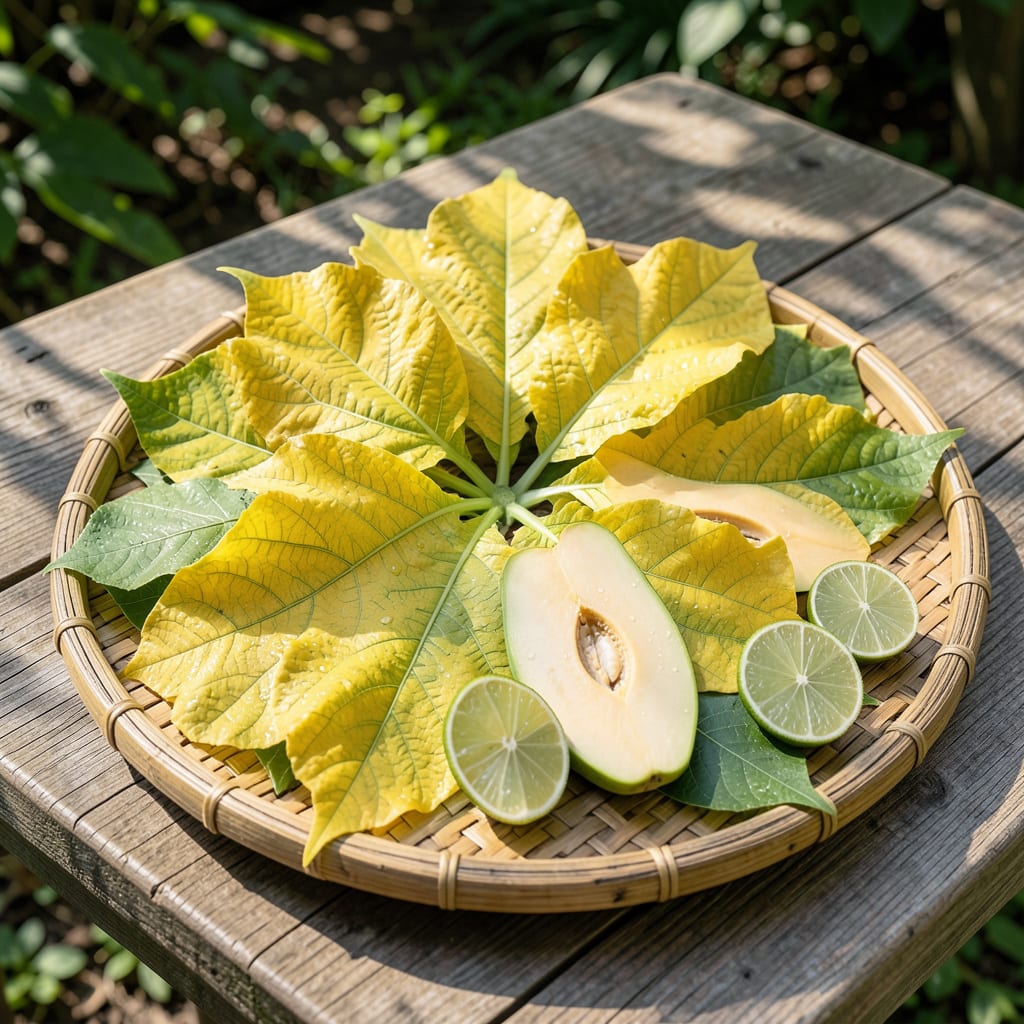
Yellow leaves on your papaya tree aren’t just unsightly—they’re a distress signal. I’ve seen this exact issue turn a thriving tree into a struggling one in 2 weeks if ignored.
Most often, it’s a nutrient imbalance or soil problem hiding in plain sight. Nitrogen, magnesium, or iron shortages show up first in the leaves, while waterlogged roots or compacted soil starve the plant from below.
Here’s the thing—this is fixable with the right adjustments. A soil test and a few targeted amendments can turn those sickly yellow leaves back to vibrant green faster than you’d expect.
Works for container-grown papayas or backyard trees. Let’s diagnose and treat the root cause before it spreads.
Yellow leaves on a Carica papaya plant are rarely random—they’re your tree’s SOS signal. Below are the most common causes, each tied to specific physiological or environmental triggers.
Nitrogen, magnesium, and iron shortages top the list. Nitrogen deficiency starts in older leaves as the tree reallocates this mobile nutrient to new growth, causing uniform yellowing (chlorosis). Magnesium deficiency appears as interveinal chlorosis—yellow patches between green veins—often in older leaves first. Iron deficiency targets young leaves, turning them pale yellow while veins stay green, especially in alkaline soils (pH > 7.0) where iron becomes insoluble.
Papayas hate “wet feet.” Saturated soil suffocates roots, reducing oxygen uptake and nutrient absorption. This triggers leaf yellowing, often accompanied by wilting or root rot. Check drainage by digging a small hole—if water pools for hours, your soil is too compacted or clay-heavy.
Extreme heat, cold snaps, or sudden temperature swings disrupt chlorophyll production. Papayas thrive in 70–90°F (21–32°C); below 50°F (10°C), leaves may yellow and drop. Similarly, excessive sunlight can scorch leaves, while insufficient light weakens photosynthesis, leading to pale, yellowing foliage.
Sap-sucking pests like aphids, whiteflies, or spider mites drain nutrients, causing stippled yellowing. Fungal diseases (e.g., Phytophthora root rot) or viral infections (e.g., papaya ringspot virus) also induce chlorosis, often with spotted or mottled patterns. Inspect leaf undersides and stems for pests or lesions.
Yellow leaves on a papaya tree often signal an underlying issue, but the good news is that most causes are treatable with the right approach. Below are practical solutions tailored to common problems, along with prevention tips to keep your tree thriving.
Fix: Test your soil to identify missing nutrients. For nitrogen deficiency, apply a balanced fertilizer (e.g., 10-10-10) or organic options like compost or fish emulsion. For magnesium or iron shortages, use Epsom salt (1 tablespoon per gallon of water) or chelated iron supplements. Water deeply after applying to help roots absorb nutrients.
Prevention: Fertilize every 6-8 weeks during the growing season. Rotate nutrient sources to avoid imbalances. 💡 Pro tip: Yellowing between veins (interveinal chlorosis) often points to magnesium—act fast!
Fix: Let the top 2 inches of soil dry out before watering again. If the tree is in a pot, ensure drainage holes are unclogged. For waterlogged ground soil, amend with sand or perlite to improve drainage. Trim any black, mushy roots (signs of rot) and repot if necessary.
Prevention: Use a moisture meter or the finger test (stick your finger in the soil) to check dryness. Water early in the day to allow excess moisture to evaporate. 🌡️ Avoid soggy soil—papayas hate wet feet!
Fix: Inspect leaves for pests like aphids, spider mites, or whiteflies. Blast them off with a strong water spray or apply neem oil (1 tbsp per gallon of water + a few drops of dish soap) every 5-7 days until gone. For severe cases, use insecticidal soap.
Prevention: Encourage natural predators (e.g., ladybugs) by planting companion flowers like marigolds. Keep the area around the tree clean of debris where pests breed. ✨ Regular checks catch problems early!
Fix: If leaves yellow due to too much sun, provide afternoon shade with a cloth or move potted trees. For cold stress (below 32°F/0°C), cover the tree with frost cloth or move it indoors temporarily. Prune damaged leaves to redirect energy to healthy growth.
Prevention: Plant papayas in a spot with 6-8 hours of morning sun and dappled afternoon shade. In cooler climates, grow them in containers for easy indoor/outdoor transitions. 🎯 Stable conditions = happy trees!
Check the soil first—if it’s soggy or smells sour, overwatering is likely. Nutrient issues often show specific patterns like yellowing between veins for magnesium.
Severely yellow leaves won’t recover, but new growth will be healthy once the issue is fixed. Remove damaged leaves to redirect energy.
Apply a balanced fertilizer every 6-8 weeks during growing season. For quick fixes, use liquid fertilizers at half strength every 2 weeks.
Brief cold snaps may yellow leaves, but prolonged exposure below 32°F can kill the tree. Protect with frost cloth during cold spells.
