
Beautiful Plants For Your Interior
Beautiful Plants For Your Interior
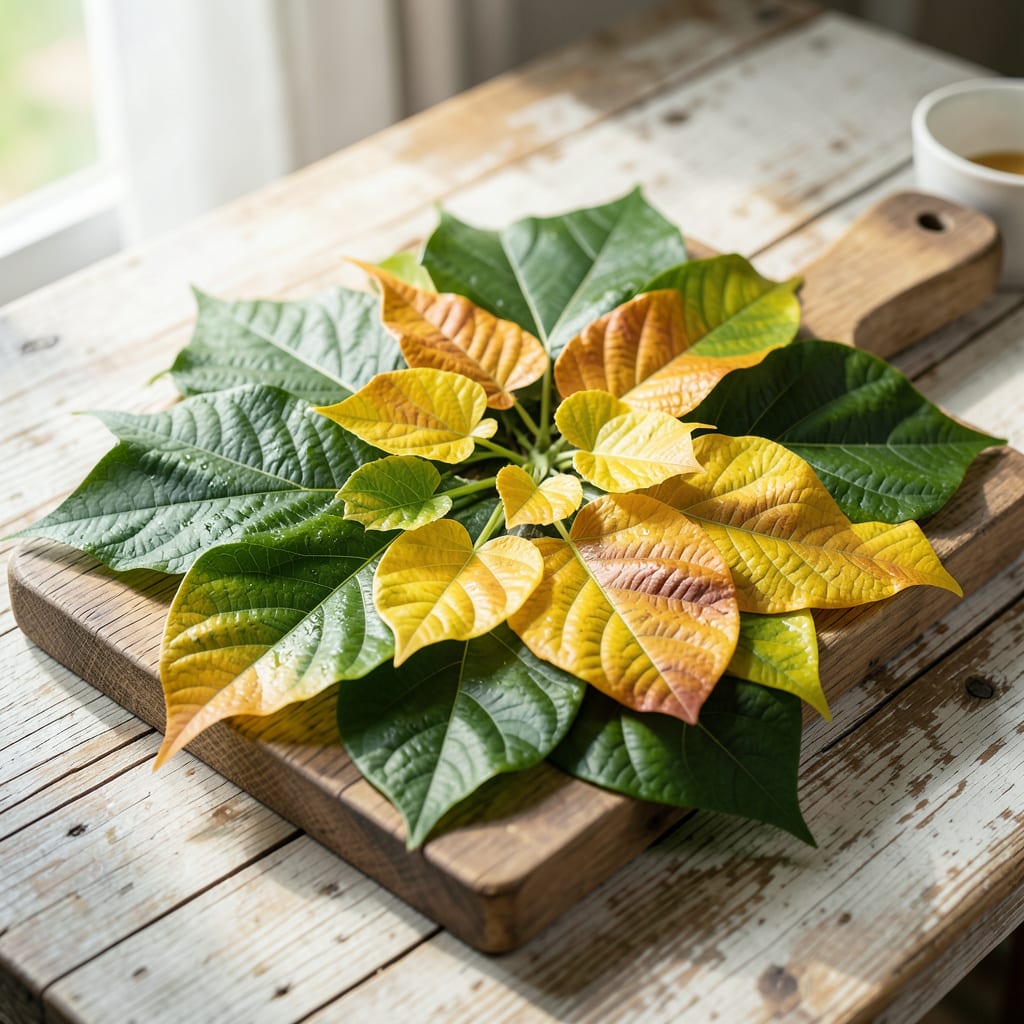
Yellow papaya leaves aren’t just unsightly—they’re your plant’s distress signal. I’ve seen entire trees go from vibrant green to sickly yellow in weeks when the root cause goes unchecked.
Most cases trace back to 3 common culprits: nutrient deficiencies, water stress, or pest damage. Overwatering drowns roots just as fast as drought, while nitrogen or magnesium shortages show up as yellow patterns between veins.
Catch it early and you can reverse the damage. The fix often takes just a soil test, adjusted watering, or targeted feeding. I’ve saved trees with nothing more than a handful of compost and better drainage.
Left untreated, the yellow spreads, production drops, and the plant weakens. Here’s how to diagnose and treat it before it’s too late.
Yellowing leaves on your papaya plant are a distress signal, often tied to specific environmental or care-related triggers. Below are the most common causes, explained with actionable insights.
Papayas are heavy feeders, and yellowing leaves often indicate a lack of essential nutrients. Nitrogen deficiency typically causes uniform yellowing starting from older leaves, while magnesium or potassium shortages may lead to yellowing between leaf veins (interveinal chlorosis). A soil test can pinpoint the exact deficiency, but a balanced fertilizer (e.g., 10-10-10) or organic amendments like compost can restore equilibrium.
Excess water suffocates roots, preventing nutrient uptake and leading to yellow, wilted leaves. Papayas thrive in well-draining soil, so ensure pots have drainage holes or amend garden beds with sand or perlite. Water only when the top 1-2 inches of soil are dry to avoid root rot.
Sap-sucking pests like aphids, whiteflies, or spider mites drain vital fluids from leaves, causing yellowing and curling. Check the undersides of leaves for tiny insects or webbing. Treat with neem oil or insecticidal soap, and introduce beneficial predators like ladybugs for long-term control.
Papayas are tropical plants and react poorly to cold drafts, extreme heat, or sudden temperature swings. Yellowing may appear if the plant is exposed to temperatures below 50°F (10°C) or scorching direct sunlight without acclimation. Move potted plants indoors during cold snaps or provide shade cloth in peak summer.
Pathogens like Phytophthora or Fusarium can cause yellowing, often accompanied by spots or wilting. Remove affected leaves immediately and avoid overhead watering to reduce humidity. Apply a copper-based fungicide as a preventive measure, and sterilize pruning tools to stop the spread.
Yellowing papaya leaves can often be reversed with the right care. Below are targeted solutions for common causes, along with prevention tips to keep your plant thriving.
Fix: Let the soil dry out slightly between waterings. Ensure your pot or planting area has drainage holes to prevent waterlogging. If the roots are waterlogged, trim any black or mushy roots and repot in fresh, well-draining soil.
Prevention: Use a moisture meter to check soil dampness before watering. Stick to a schedule—water deeply but only when the top 1-2 inches of soil are dry.
Fix: Apply a balanced fertilizer (10-10-10) or a specialized citrus/papaya formula to address general deficiencies. For nitrogen deficiency (pale yellow leaves), use a high-nitrogen fertilizer. For magnesium (yellow patches between veins), add Epsom salt (1 tablespoon per gallon of water) as a foliar spray.
Prevention: Feed your papaya plant every 4-6 weeks during the growing season. Mix compost into the soil annually for a slow-release nutrient boost.
Fix: Remove pests like aphids or whiteflies by spraying the leaves with a mix of water and mild soap (1 tsp per quart). For severe infestations, use neem oil or insecticidal soap, following label instructions.
Prevention: Inspect leaves regularly, especially the undersides. Encourage natural predators like ladybugs by planting companion flowers nearby.
Fix: If leaves yellow due to too much sun, provide afternoon shade with a shade cloth. For cold stress, move potted plants indoors or cover them with frost cloth during chilly nights.
Prevention: Papayas love warmth—plant in a spot with 6-8 hours of sunlight daily and protect from temperatures below 32°F (0°C).
Pro Tip 💡: Always sterilize your pruning tools between cuts to avoid spreading diseases that can also cause yellowing.
Water when the top 1-2 inches of soil are dry. Overwatering causes yellowing, so ensure good drainage and avoid waterlogged roots.
Nitrogen causes uniform yellowing, while magnesium or potassium shortages create yellow patches between veins. A soil test helps confirm deficiencies.
Yes! Temperatures below 50°F (10°C) stress the plant. Move potted papayas indoors or use frost cloth during cold snaps.
Spray leaves with neem oil or insecticidal soap, focusing on undersides. Introduce ladybugs for natural pest control.
