
Beautiful Plants For Your Interior
Beautiful Plants For Your Interior
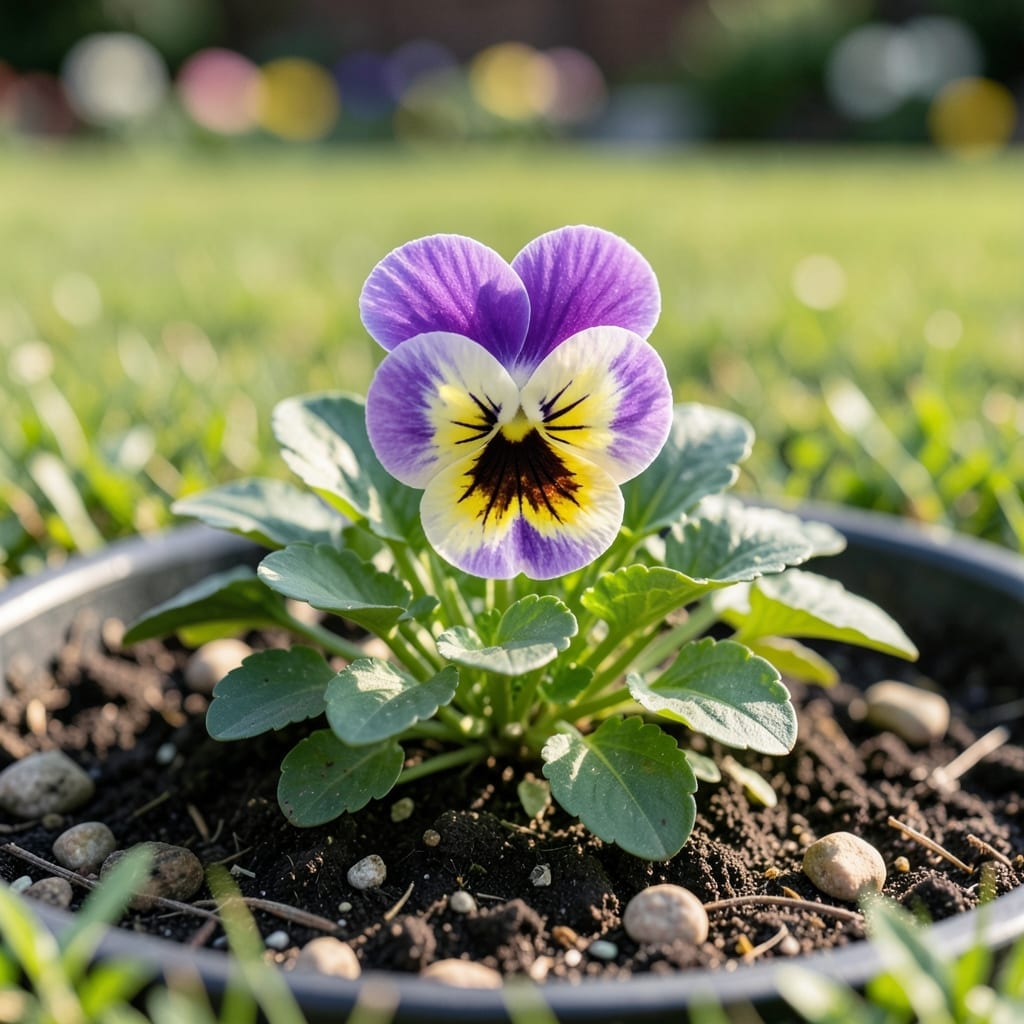
Pansies are beloved for their cheerful, colorful blooms, but getting their light requirements right is the key to a thriving garden.
Too much or too little sunlight can mean the difference between vibrant 🌸 Pansy flowers and lackluster growth. You might be surprised how much this one factor affects your results.
I’ve seen firsthand how proper light transforms these hardy plants. Whether you’re planting in Zone 6 or just starting out, understanding these needs will set you up for success.
Discover the simple adjustments that will help your Pansies flourish with minimal effort. Let’s make your spring garden the envy of the neighborhood.

Pansies thrive with the right balance of sunlight, and I’ve found that 6+ hours of direct sun daily brings out their best blooms. In my garden, they flourish in spots with full sun to partial shade, especially during cooler months.
Too much intense afternoon sun can scorch their delicate petals, while too little light leads to leggy stems and sparse flowers. I recommend morning sunlight for the most vibrant results.
In cooler climates, pansies can handle full sun exposure without issues, but in warmer regions, I suggest providing afternoon shade to prevent heat stress. This adjustment keeps their colorful blooms vibrant longer.
For container gardens, I place my pansies where they receive east or west-facing light. This ensures they get gentle morning or late afternoon sun, which is ideal for their delicate petals and compact growth habit.
If you notice your pansies looking stretched or pale, it’s often a sign they need more light. I move mine to a sunnier spot, and within a week, the difference in their foliage density and bloom count is remarkable.
During the spring and fall, pansies can tolerate more sun, but in the peak of summer, I ensure they’re protected from intense midday rays. This simple step prevents wilting and maintains their cheerful appearance.
For garden beds, I recommend spacing pansies 6-12 inches apart in areas with well-draining soil and ample light. This setup allows each plant to receive the sunlight it needs without competing for resources.
If you’re growing pansies indoors, a south-facing window is perfect. I’ve had great success with this placement, as it provides the bright, indirect light they love while keeping them sheltered from harsh elements.
Remember, pansies are cool-season flowers, so they perform best in temperatures between 45-65°F. Pairing the right light conditions with their temperature preferences ensures a long-lasting display of color in your garden.
With these light requirements in mind, you’ll enjoy healthy, blooming pansies that brighten up any space. I’ve seen firsthand how the right sunlight transforms these plants into a garden staple 🌷
I’ve learned that pansies are pretty forgiving, but they do show clear signs when their light needs aren’t met. If your plants look leggy or stretched, they’re likely reaching for more light.
Another red flag is faded or dull blooms. Pansies thrive in bright conditions, and lackluster flowers often mean they’re not getting enough sunlight exposure.
⚠️ Light Trouble Signs
• Leggy stems: Needs more sun
• Faded blooms: Increase light exposure
• Wilting leaves: May need afternoon shade
If your pansy leaves appear scorched or crispy, they might be getting too much direct sun, especially in hot climates. In this case, afternoon shade can help.
For container-grown pansies, I recommend moving pots to a sunnier spot if blooms are sparse. Even a few extra hours of morning sunlight can make a big difference.
Don’t forget that seasonal changes affect light too. In summer, pansies may need protection from harsh rays, while in winter, they’ll benefit from maximizing sun exposure.
By paying attention to these visual cues, you can adjust your pansy care and keep them blooming beautifully all season long. ☀️