
Beautiful Plants For Your Interior
Beautiful Plants For Your Interior
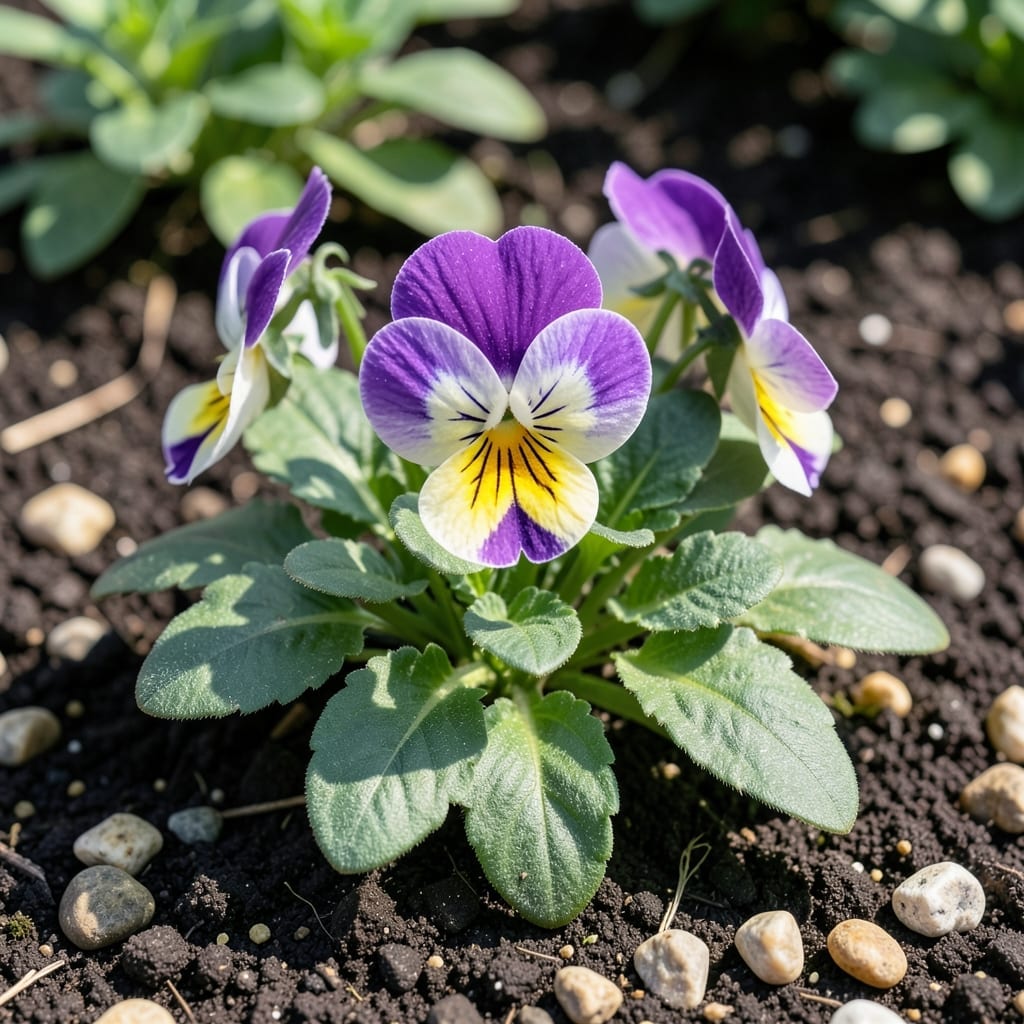
Pansies 🌼 are beloved for their cheerful, colorful blooms, but their sunlight needs often puzzle gardeners. Getting the light conditions right is the key to lush, long-lasting flowers.
I’ve seen too many gardeners struggle with wilting or poor blooming, all because of improper light exposure. The good news? With the right approach, you can avoid these common pitfalls.
Understanding how much sun these vibrant flowers need will transform your gardening experience. Whether you’re planting in borders or containers, light makes all the difference.
Discover how to provide ideal conditions for your Pansies to thrive, with practical tips that ensure vibrant blooms all season long.


If you want your pansies to thrive, sunlight is the most critical factor. These vibrant flowers need 4-6 hours of direct sunlight daily to produce their best blooms. I’ve found they perform well in both full sun and partial shade conditions.
In cooler climates, pansies can handle more sun, while in hotter regions, they benefit from afternoon shade. The key is balancing light exposure to prevent stress while encouraging abundant flowering.☀️
| Requirement | Specification |
|---|---|
| Ideal Sunlight | 4-6 hours daily |
| Light Type | Direct or bright indirect |
| Shade Tolerance | High in hot climates |
| Best Window | South-facing |
Pansies are remarkably adaptable, but I always recommend starting with morning sun and afternoon shade in warmer zones. This combination prevents leaf scorch while ensuring they get enough light to bloom profusely.
In cooler areas, you can push the limits with full sun exposure. I’ve seen pansies flourish in 6+ hours of sunlight when temperatures stay mild. Just watch for signs of stress, like wilting leaves or faded colors.
For container gardening, place your pansies where they’ll get east-facing light. This gives them gentle morning rays and protection from harsh afternoon sun. It’s a simple trick that works wonders for balanced growth.
Remember, soil moisture and sunlight exposure go hand in hand. Pansies in full sun may need more frequent watering to stay hydrated. I check my plants daily during heatwaves to prevent dryness.
If you’re planting in raised beds or border gardens, consider the microclimate. A spot with dappled shade from trees can provide the perfect light diffusion for pansies in summer.
For the best results, I suggest experimenting with different locations in your garden. Observe how your pansies respond to varying light conditions, and adjust accordingly. This hands-on approach helps you find the sweet spot for your specific climate.
With the right sunlight, your pansies will reward you with vibrant, long-lasting blooms that brighten up any space. It’s all about finding that perfect balance for your garden’s unique conditions.🌼
Your pansies will tell you if they’re unhappy with their sunlight. I always look for leggy stems and small blooms first—these are classic signs of too little light. The plants stretch toward the sun when they’re starved for rays.
On the other hand, bleached petals or brown leaf edges often mean too much sun, especially in hot climates. I’ve seen pansies wilt dramatically during peak afternoon heat without proper shade.☀️
⚠️ Warning: Light Stress in Pansies
Leggy growth and faded colors signal insufficient sun. Scorched leaves mean excessive exposure. Adjust placement immediately to prevent permanent damage.
If your pansies have fewer flowers than usual, check their light. I’ve found that even 2 hours of extra shade can reduce blooming by half. Move them to a sunnier spot to restore their vigor.
For container-grown pansies, rotate pots weekly for even light distribution. This prevents lopsided growth and ensures all sides receive adequate sunlight. It’s a simple trick that keeps plants symmetrical.
In my experience, morning sun is gentler than afternoon light. If your pansies show heat stress, try relocating them to an east-facing area. This small change can make a big difference in their health.
Remember, pansies are cool-season plants. When temperatures rise above 75°F, even full sun can become too intense. Watch for wilting as a signal to provide shade cloth or move them temporarily.
With careful observation, you’ll learn your garden’s microclimates and find the perfect balance. Healthy pansies reward you with vibrant colors and continuous blooms all season.🌼