
Beautiful Plants For Your Interior
Beautiful Plants For Your Interior
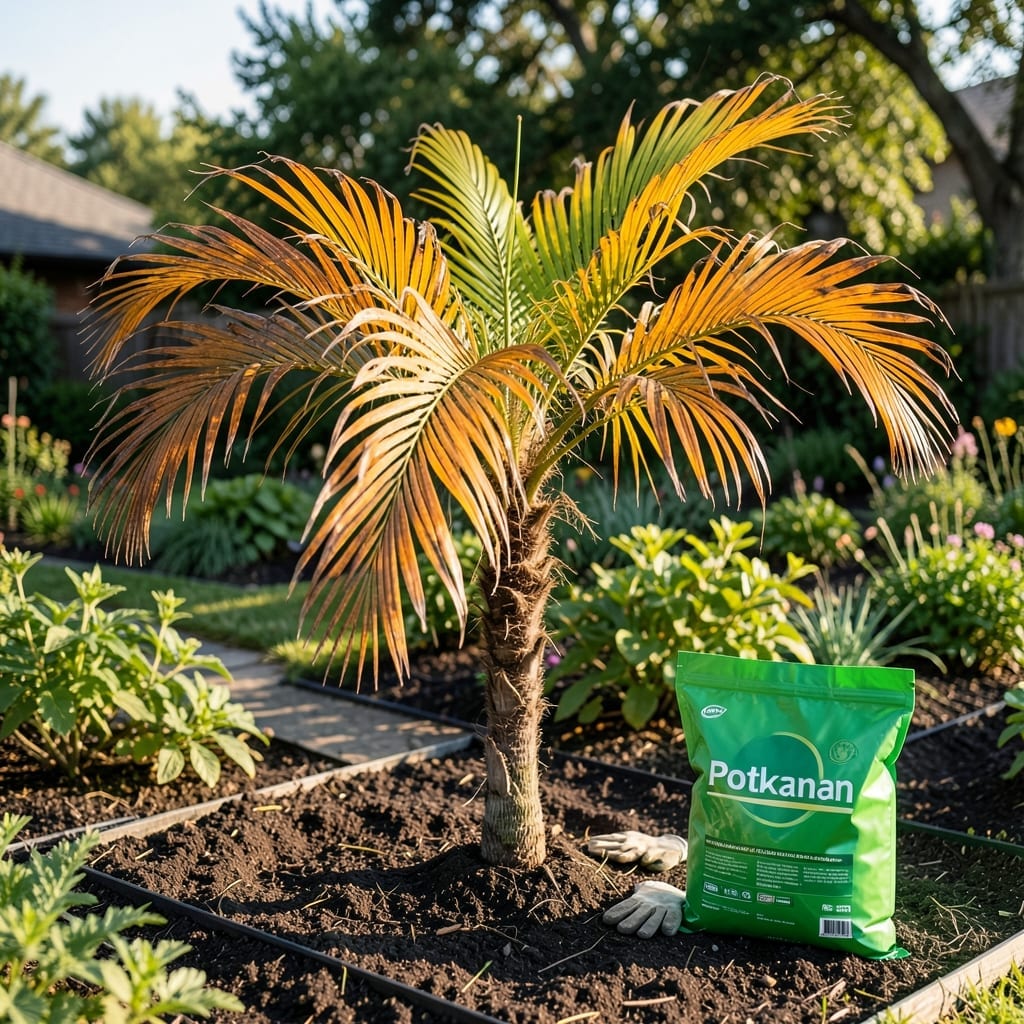
Yellowing fronds on your palm aren’t just unsightly—they’re a distress signal. I’ve seen potassium deficiency turn healthy palms into weak, discolored shadows of themselves.
What starts as yellow tips on older leaves spreads fast. The edges turn brown and crispy, while new growth stays small and stunted. This isn’t just cosmetic; it’s your palm struggling to survive.
Here’s the thing—most gardeners mistake this for water stress or disease. But the solution is simpler than you think: the right soil amendments can restore your palm’s vibrant green health within weeks.
Works for all palm varieties, from dwarf to towering. Let’s diagnose and fix this before it spreads to the whole plant.
Potassium deficiency in palm trees often stems from a mix of environmental and soil-related factors. Here’s why it happens:
Many tropical and subtropical soils naturally lack sufficient potassium (K), especially in sandy or heavily leached soils. Over time, frequent rainfall or irrigation can wash away this essential nutrient, leaving palms starved for the potassium they need for growth and disease resistance.
Overwatering or poor drainage can accelerate potassium leaching, stripping the soil of its nutrients faster than the palm can absorb them. This is particularly common in container-grown palms or areas with high rainfall, where water moves through the soil too quickly for roots to uptake K effectively.
High levels of calcium (Ca) or magnesium (Mg) in the soil can outcompete potassium for root absorption. This imbalance often occurs in limed soils or when fertilizers heavy in nitrogen (N) or phosphorus (P) are overused, disrupting the palm’s ability to take up potassium efficiently.
Compromised root systems—whether from disease, compaction, or physical injury—reduce a palm’s ability to absorb potassium, even if the soil has adequate levels. Fungal infections like Ganoderma or mechanical damage from landscaping equipment are common culprits.
Fast-growing or fruiting palms (e.g., coconut or date palms) have higher potassium demands. If the soil can’t keep up with these needs, deficiency symptoms like yellowing fronds or necrotic leaf tips appear as the plant prioritizes potassium for critical functions over older foliage.
Potassium deficiency in palms can be reversed with targeted care. Below are practical fixes mapped to common causes, plus prevention tips to keep your palms thriving.
Apply a balanced palm fertilizer high in potassium (look for a 3-1-3 or 8-2-12 NPK ratio). Granular formulas work well for slow release, while liquid fertilizers offer a quick boost. For severe cases, use sulfate of potash (0-0-50) at a rate of 1–2 lbs per 100 sq ft, watering deeply afterward.
Compacted or waterlogged soil limits nutrient uptake. Amend heavy clay or sandy soil with organic matter like compost or coconut coir to enhance aeration and moisture retention. Raised beds or mounds can also help in poorly draining areas.
Prevention tip: 💡 Test soil drainage by digging a 12-inch hole and filling it with water. If it drains in under 1 hour or takes over 4 hours, adjust with amendments.
Excess nitrogen or magnesium can block potassium absorption. Switch to a palm-specific fertilizer and avoid overusing high-nitrogen lawn fertilizers near palm roots. Feed palms every 2–3 months during growing season (spring to fall) and reduce frequency in winter.
If roots are injured (e.g., from transplant shock or mechanical damage), focus on recovery. Apply a seaweed-based tonic to reduce stress and encourage root growth. Hold off on heavy fertilization until new fronds emerge, signaling recovery.
Prevention tip: ✨ Mulch around the base (but not touching the trunk) with 2–4 inches of wood chips to protect roots from temperature swings and physical harm.
Consistency is key—monitor fronds for improvement (new growth should be green and sturdy) and re-test soil every 6–12 months to fine-tune your approach.
Early symptoms appear on older fronds as yellowing at the tips, progressing to brown, crispy edges. New growth may stay small and pale.
With proper treatment, new fronds should show improvement in 2-4 weeks. Full recovery may take 2-3 months, depending on severity.
Yes, excessive watering leaches potassium from soil faster than roots can absorb it. Ensure proper drainage to prevent this.
A test confirms deficiency and checks for competing nutrients like calcium or magnesium. It’s the most accurate way to diagnose.