
Beautiful Plants For Your Interior
Beautiful Plants For Your Interior
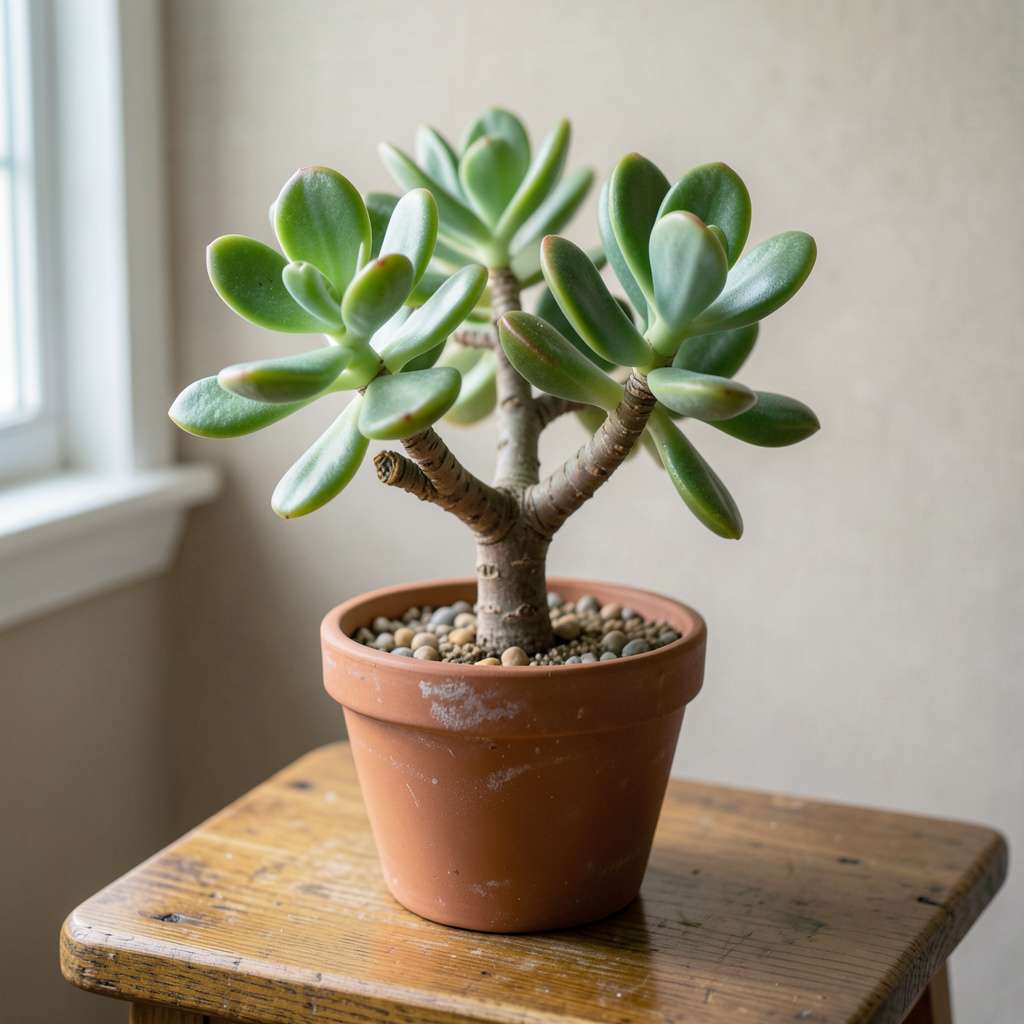
Overwatered plants typically take 7–21 days to recover, depending on severity and species. Mild cases may heal in days, while severe damage can take weeks with proper care adjustments.
Recovery times for stressed plants can vary widely based on factors like type and environmental conditions. 🌱 For instance, tropical species might bounce back faster than succulents, which are more sensitive to root issues. Understanding the signs of distress, such as leaf yellowing or wilting, helps gauge the plant’s healing progress and guides necessary adjustments in care.
Additionally, by taking proactive measures, I can often speed up this process. Ensuring good soil drainage, adjusting my watering habits, and even using moisture meters can make a significant difference in how quickly my plants recover from overwatering. 🌟
💡 In This Article
The recovery duration for overwatered plants can range significantly based on various factors. For instance, tropical plants may recover in as little as 7 days, while more delicate species could take up to 21 days or longer. This variation stems from how quickly each plant type can regenerate roots and foliage. 🌿
One critical factor influencing recovery is the progression of root rot, which occurs when roots are deprived of oxygen due to waterlogged conditions. The longer roots remain submerged, the more difficult it becomes for the plant to absorb nutrients and water, leading to prolonged recovery times.
Monitoring symptoms like yellowing leaves can provide insight into the plant’s health and healing speed. 🍃
Environmental conditions also play a significant role in recovery. For example, warmer temperatures and adequate humidity levels can accelerate healing, while cooler temperatures may slow down the process. Additionally, ensuring proper light exposure can boost photosynthesis, helping the plant regain vigor more quickly. Adjusting these conditions can make a substantial difference. 🔆
It’s essential to recognize that not all plants react the same way to overwatering. For example, succulents tend to exhibit stress signs like mushy leaves more quickly than ferns, which might show subtle changes first. Understanding these nuances helps in tailoring care strategies for different species. 🌱
In practical terms, providing good drainage by repotting into well-aerated soil can significantly influence recovery time. I’ve found that using a mix designed for drainage, such as one with perlite or sand, can improve outcomes. Additionally, adjusting watering habits based on the plant’s needs—rather than a set schedule—can prevent future issues. 🛠️
Lastly, employing tools like moisture meters can help me gauge when to water accurately. By monitoring soil moisture levels, I can avoid the pitfalls of overwatering and enhance my plants’ recovery potential. These proactive measures not only help in recovery but also contribute to long-term plant health. 🌟
