
Beautiful Plants For Your Interior
Beautiful Plants For Your Interior
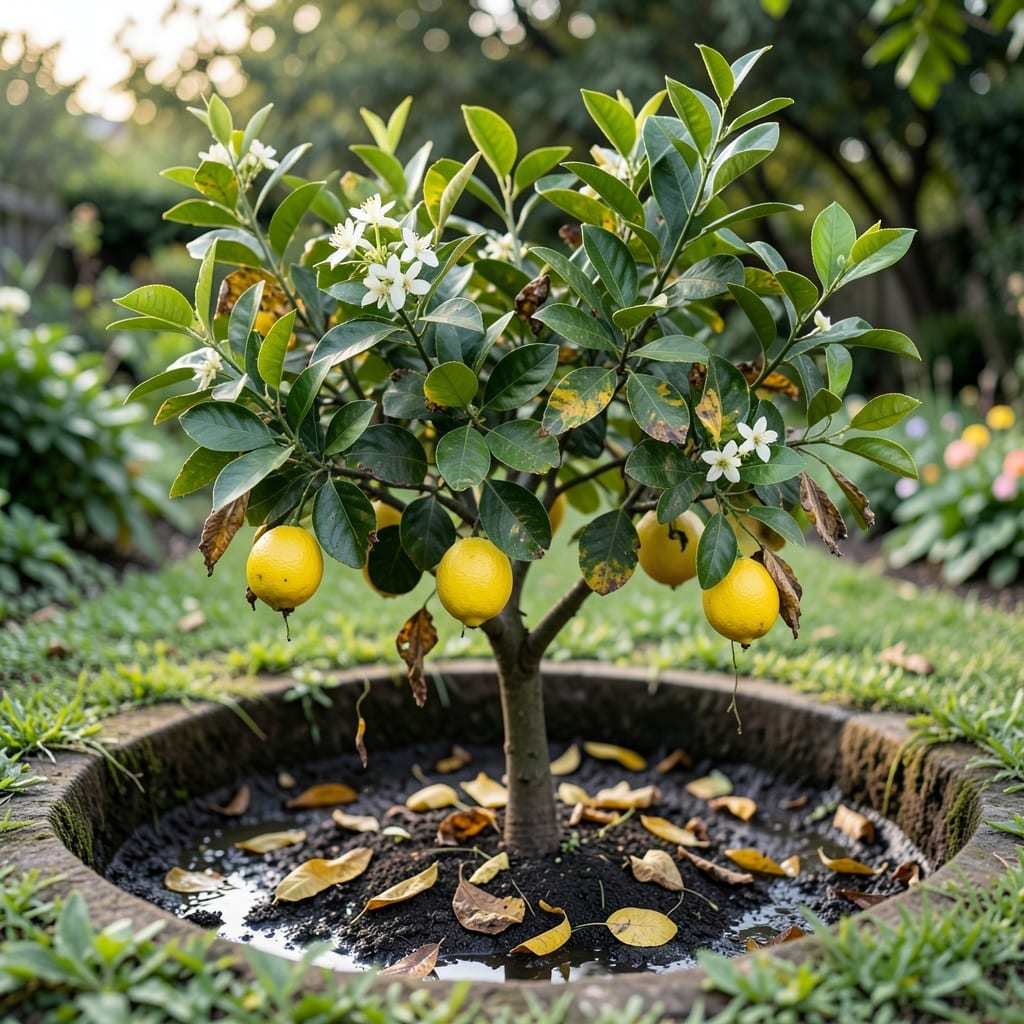
Yellow leaves and soggy soil mean trouble for citrus lovers. I’ve saved more trees than I can count with one simple realization: citrus hate wet feet more than drought.
The first sign is always the leaves—pale yellow, sometimes with green veins. Then comes the smell: that musty rot aroma from soil that’s been waterlogged too long. Root rot sets in fast once the damage starts.
Here’s the thing—most people overwater because they see wilting and assume thirst. But citrus wilt from too much water looks identical to underwatering. The difference is in the soil: stick your finger in. If it comes out damp, you’ve found your culprit.
Fix it by letting the soil dry completely between waterings. I mean bone-dry, 2-3 inches down. It’s the only way to give those roots a fighting chance.
Citrus trees thrive in well-draining conditions, and overwatering disrupts this balance. Here’s why it happens:
Soil that retains too much moisture—often due to clay-heavy compositions or compacted roots—prevents water from escaping. Without proper drainage, roots suffocate in waterlogged soil, leading to root rot and nutrient uptake failure. Use sandy loam or amend soil with perlite to improve flow.
Many gardeners assume citrus trees need frequent watering, but deep, infrequent irrigation is key. Shallow, daily watering encourages weak root systems and saturated topsoil. Stick your finger 2 inches into the soil—if it’s dry, water; if damp, wait.
Heavy rainfall or poorly designed irrigation systems (e.g., sprinklers spraying directly at the trunk) can drown roots. Citrus trees in humid climates or shaded areas dry slower, increasing risk. Adjust watering based on weather and use drip irrigation to target roots precisely.
Potted citrus trees suffer if pots lack drainage holes or are oversized, holding excess moisture. Always use containers with holes and ensure the soil mix includes coarse materials like bark or pumice to aerate roots.
Reviving an overwatered citrus tree starts with quick action and consistent care. Below are targeted fixes for the most common symptoms, paired with prevention tips to keep your tree thriving.
Fix: Stop watering immediately and check the soil moisture. If the top 2-3 inches are soggy, let it dry out completely before watering again. Trim yellow leaves to redirect energy to healthy growth. Use a moisture meter to monitor soil conditions going forward.
Prevention: Water only when the top 2 inches of soil are dry. Citrus trees prefer deep, infrequent watering over light, daily doses.
Fix: Gently remove the tree from its pot or dig around the roots in the ground. Trim away black, mushy roots with sterilized pruners, and repot or replant in fresh, well-draining soil. A fungicide drench (like copper-based solutions) can help eliminate lingering pathogens.
Prevention: Ensure your planting site or container has excellent drainage. Mix in perlite or sand to improve soil structure, and avoid saucers under pots that can trap water.
Fix: If the tree is in a pot, move it to a sunny, breezy spot to speed up drying. For in-ground trees, create small trenches around the base to redirect excess water. Avoid watering until the soil is dry to the touch.
Prevention: Use a soil mix designed for citrus or cacti, which drains quickly. Mulch with gravel or coarse bark to prevent water from pooling at the roots.
Fix: Reduce watering and prune affected foliage to reduce stress. If the tree is severely wilted, provide light shade for a few days to help it recover without additional moisture loss.
Prevention: Stick to a watering schedule based on the season—less in cooler months, more in extreme heat—and always check soil moisture first.
💡 Pro Tip: Citrus trees in containers often need watering every 5-7 days in summer, but this can stretch to 2-3 weeks in winter. Adjust as needed!
Water deeply every 5-7 days in summer and reduce to 2-3 weeks in winter. Always check soil moisture first—if the top 2 inches are dry, it’s time.
Yellow leaves signal roots drowning in soggy soil, unable to absorb oxygen. The tree can’t take up nutrients, causing discoloration. Stop watering and let soil dry completely.
Yes, if caught early. Trim black, mushy roots, repot in fresh, well-draining soil, and treat with fungicide. Recovery takes 4-6 weeks with proper care.
Use a fast-draining mix: 60% potting soil, 30% perlite, and 10% sand. This prevents waterlogging while retaining enough moisture.