
Beautiful Plants For Your Interior
Beautiful Plants For Your Interior
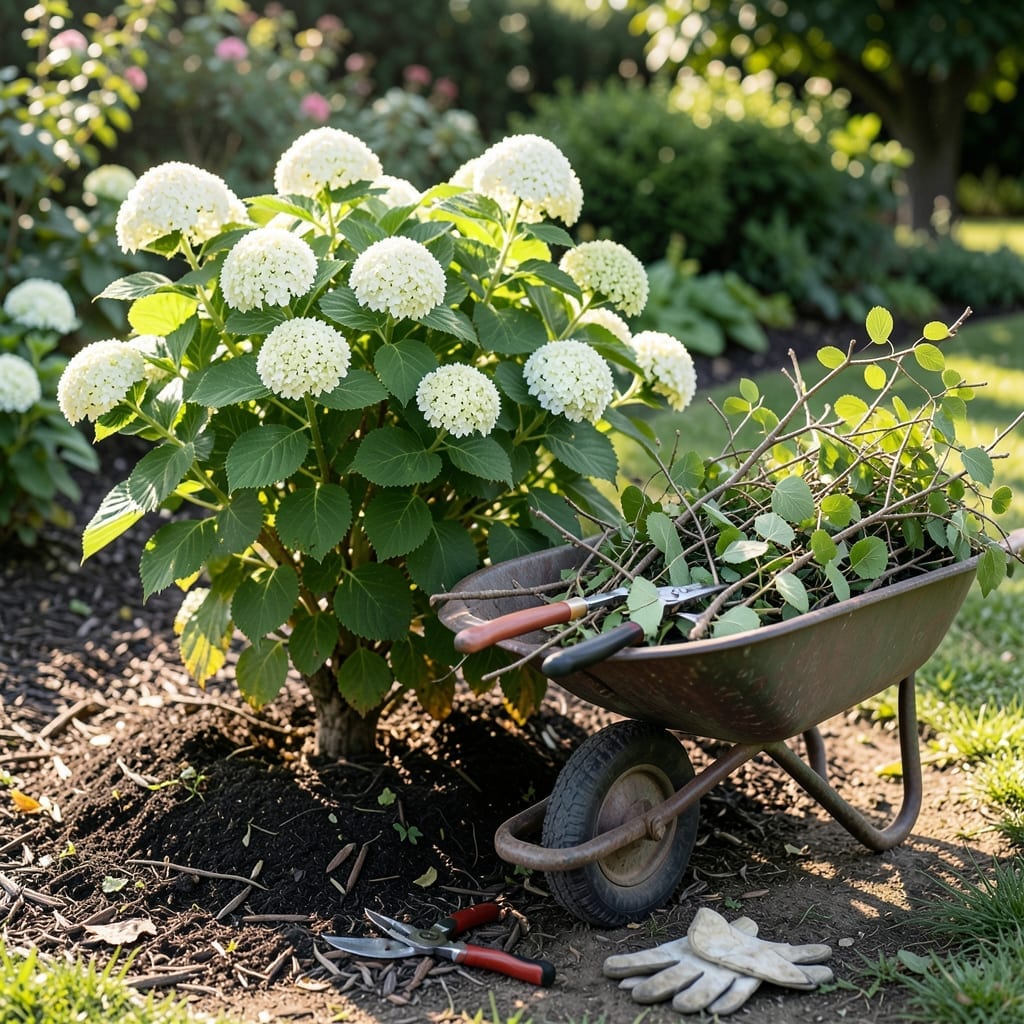
Your garden might be hiding a game-changer behind those wild, unruly branches. I’ve seen it time and again—what looks like a lost cause can become the centerpiece of your landscape with the right touch.
The transformation of 🌿 Shrubs from overgrown eyesores to polished, picturesque features is nothing short of magical. It’s not just about cutting back; it’s about revealing the beauty that was always there.
I’ll show you how strategic pruning and shaping can turn even the most neglected shrubs into stunning focal points. These makeovers do more than improve looks—they breathe new life into your entire outdoor space.
Discover the steps to achieve this dramatic change and keep your garden looking its best year-round. The results will speak for themselves.
I’ve seen overgrown shrubs that looked like wild monsters turn into elegant garden stars with just a little care. The change is often stunning, proving that even the most neglected plants can become showstoppers. ✂️
Take a 10-year-old forsythia, for example. It started as a tangled 6-foot-wide mess with deadwood and sparse blooms. After hard pruning and selective thinning, it became a compact, flower-packed beauty at just 3 feet tall. 🌿
| Shrub Type | Before State | After Transformation | Technique Used |
|---|---|---|---|
| Forsythia | Tangled, 6ft wide | Compact, 3ft tall | Hard pruning |
| Boxwood | Overgrown, shapeless | Neat, geometric form | Shaping & thinning |
| Lilac | Leggy, few blooms | Full, vibrant flowers | Rejuvenation pruning |
| Hydrangea | Sparse, outdated wood | Lush, abundant blooms | Selective renewal |
A neglected boxwood can look like a shapeless blob until you apply strategic shaping. With careful hand pruning, it transforms into a crisp geometric form that adds structure to any garden. The key is patience and precision. 🌱
I once worked on a lilac bush that hadn’t been pruned in years. It was tall and leggy with few flowers. After rejuvenation pruning, cutting it back to 18 inches, it bounced back with more blooms than ever the next spring. ☀️
For hydrangeas, the approach is different. These shrubs often suffer from old wood neglect. By removing one-third of stems each year, you encourage new growth and bigger blooms. The before-and-after is like night and day. 🌿
Another favorite transformation is with azaleas. An overgrown one might look like a tangled green mass. After thinning cuts and deadwood removal, it reveals its natural beauty with vibrant spring colors. 🌻
I always remind gardeners that timing matters. For spring-blooming shrubs, prune right after they flower. For summer bloomers, late winter is ideal. This ensures you don’t cut off next year’s flower buds. ✂️
The tools you use make a difference too. I swear by sharp bypass pruners for clean cuts and loppers for thicker branches. A pruning saw comes in handy for the really tough jobs. Dull tools can damage plants and slow recovery. 🛠️
After pruning, don’t forget proper aftercare. Water deeply, apply mulch, and consider a balanced fertilizer to support new growth. This helps your shrubs recover faster and look their best. 💧
Reviving overgrown shrubs starts with a careful assessment of their health and structure. I always check for dead branches, disease signs, or weak growth before making the first cut. This ensures I’m not removing healthy wood unnecessarily.
The best time to prune is in late winter or early spring, just before new growth begins. This timing gives shrubs a full growing season to recover and flourish. ✂️
For thick, woody shrubs like hydrangeas or lilacs, I use loppers or a pruning saw for clean cuts. Always sterilize tools between cuts to prevent disease spread.
After pruning, I monitor the shrub closely for new growth. If it looks stressed, I’ll adjust my watering schedule or add a balanced fertilizer to support recovery.
Remember, never remove more than 1/3 of the shrub in a single pruning session. This rule prevents shock and ensures healthy regrowth in the long run. 🌿
With patience and the right approach, even the most neglected shrubs can transform into vibrant, well-shaped plants that enhance your garden’s beauty. 🌳