
Beautiful Plants For Your Interior
Beautiful Plants For Your Interior
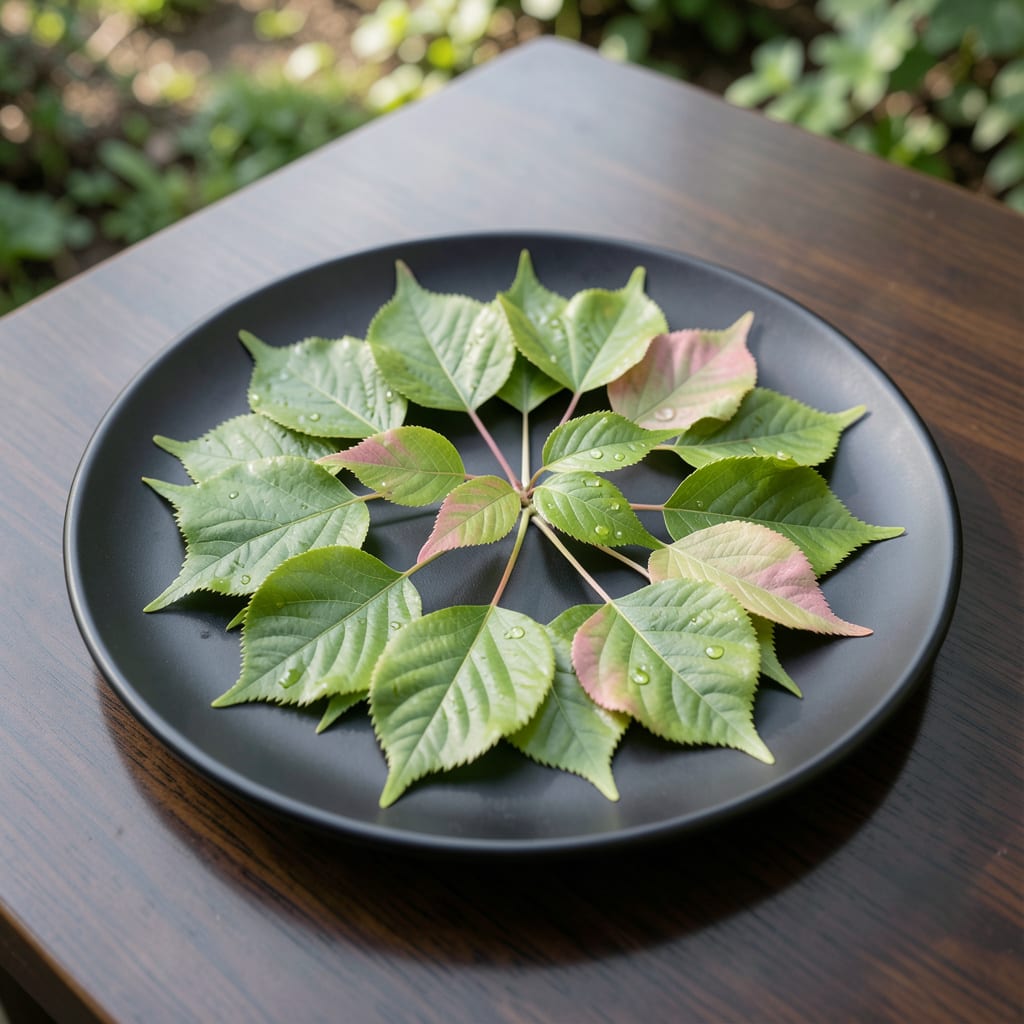
I planted my first ornamental cherry for the spring blossoms, but the leaves stole the show. 🌟 Their delicate shape and vibrant green hues create a living tapestry that shifts through the seasons.
From fresh spring growth to fiery autumn tones, these trees offer year-round beauty. With simple care—proper watering and seasonal pruning—you’ll maintain that lush foliage that makes neighbors stop and stare.
📚 In This Guide
Here’s the method I rely on to keep foliage vibrant through every season.
Choose a location with full sun to partial shade—ornamental cherries thrive in 6+ hours of sunlight but tolerate afternoon shade in hotter climates. The soil should be well-draining with a pH of 6.0-7.0. I always amend heavy clay with compost to improve aeration.
Dig a hole twice as wide as the root ball but no deeper. Planting too deep suffocates the trunk. Backfill with native soil, tampering gently to remove air pockets. Water deeply after planting to settle the soil around the roots.
Water newly planted trees 2-3 times weekly for the first 4-6 weeks, ensuring the soil stays consistently moist but not soggy. I check by sticking my finger 2 inches deep—if it feels dry, it’s time to water. A 2-3 inch layer of mulch around the base helps retain moisture.
Once established, reduce to 1-2 deep waterings weekly, depending on rainfall. Overwatering leads to yellowing leaves and root rot. Drought stress causes premature leaf drop, so watch for wilting as a sign to increase frequency.
Apply a balanced, slow-release fertilizer (10-10-10 or 12-12-12) in early spring, just as new growth begins. I use 1 pound per inch of trunk diameter, spreading it evenly under the canopy. Avoid high-nitrogen formulas—they promote leafy growth at the expense of flowers.
Water thoroughly after fertilizing to help nutrients reach the root zone. A second light application in early summer supports sustained foliage vibrancy. Stop fertilizing by late summer to prevent tender new growth that winter can damage.
Prune in late winter or early spring before buds swell. Remove dead, diseased, or crossing branches first. I use clean, sharp bypass pruners to make cuts at a 45-degree angle just above a bud or lateral branch.
Thin out 10-20% of the canopy to improve airflow, which prevents fungal issues like leaf spot. Avoid heavy pruning—ornamental cherries bloom on old wood, so excessive cuts sacrifice next season’s flowers and foliage density.
Watch for aphids, scale, or tent caterpillars, which target cherry leaves. I inspect the undersides of leaves weekly in spring and summer. A strong blast of water dislodges aphids, while horticultural oil smothers scale if applied when temperatures are above 40°F.
For fungal diseases like powdery mildew, remove affected leaves immediately and avoid overhead watering. A copper fungicide spray applied in early spring can prevent outbreaks. Always follow label rates to avoid leaf burn.
After years of trial and error, I’ve learned these details make all the difference in keeping leaves lush.
The Sunlight Sweet Spot: While ornamental cherries tolerate afternoon shade, the 6+ hours of sunlight mentioned in Step 1 is non-negotiable for vibrant color. In hot climates, dappled shade prevents leaf scorch, but full shade leads to sparse, pale foliage. Trust me on this.
Watering Wisdom: That 2-inch finger test from Step 2 is your best tool—soil should feel like a wrung-out sponge. Overwatering (a common mistake) causes yellowing faster than drought. The 2-3 inch mulch layer isn’t just for moisture; it also regulates soil temperature.
Pruning Precision: The 45-degree angle cuts in Step 4 prevent water pooling on branches, which invites fungal disease. And thinning only 10-20% of the canopy? That’s the Goldilocks zone—enough airflow without sacrificing next year’s blooms.
Temperature Caution: Horticultural oil for scale (Step 5) must be applied above 40°F—any colder and it won’t spread properly, leaving leaves vulnerable. I learned this the hard way after a frosty morning ruined my first treatment.
Yellowing leaves often indicate stress from overwatering, poor drainage, or nutrient deficiencies. Check soil moisture and ensure proper drainage. A balanced fertilizer can help restore vibrant foliage.
Leaves typically change color in the fall, with hues of gold, orange, or red appearing as temperatures drop. The timing varies by climate, but expect this transition around late September to November.
Consider dogwood, maple, or serviceberry trees for vibrant seasonal leaves. These alternatives offer similar aesthetic appeal with varied colors and are often easier to maintain.
Brown spots may signal fungal infections or pest issues. Prune affected areas, improve air circulation, and apply a fungicide or insecticide as needed. Keep the tree well-watered but not soggy.
Yes! Fallen leaves make excellent compost material. Shred them to speed up decomposition and mix with other organic matter for a nutrient-rich soil amendment.
