
Beautiful Plants For Your Interior
Beautiful Plants For Your Interior
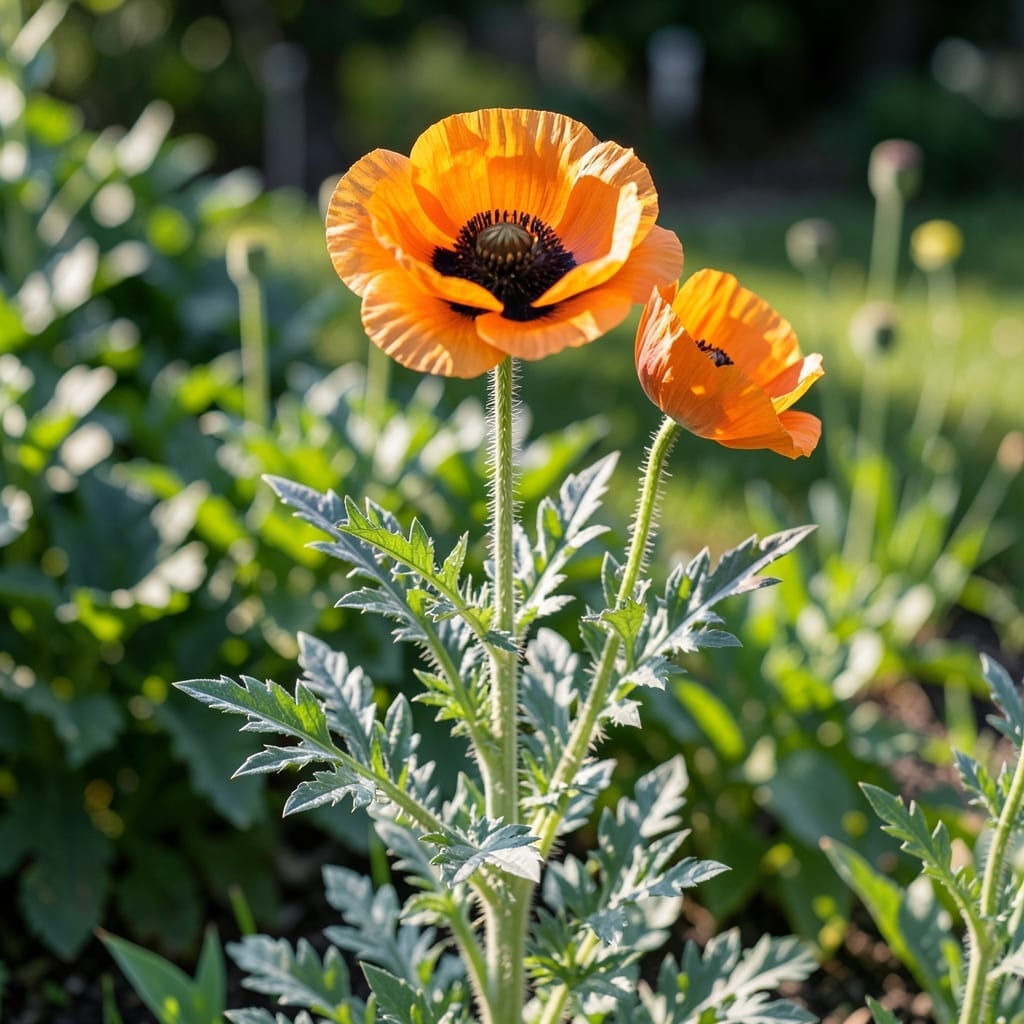
Oriental poppies are a garden showstopper with their bold, papery blooms—but knowing exactly when they’ll burst into color can make all the difference in your landscape planning.
If you’ve planted 🌸 Oriental Poppy in zones 4-9, you’re likely counting down to that spectacular display. The wait is almost over, as these beauties typically reward your patience during the most vibrant time of year.
I’ll walk you through the exact window when you can expect your garden to transform, and why timing matters more than you might think. The right knowledge turns good gardens into unforgettable ones.
Discover how to make the most of your poppies’ natural rhythm and keep the color coming. Let’s dig into what makes their bloom time so special.
I love how Oriental poppies transform a garden with their vibrant red, pink, or orange blooms. Their typical bloom time falls in late spring to early summer, usually May through June in most regions.
These beauties thrive in USDA zones 4-9, where they follow a reliable seasonal rhythm. In cooler climates, you might even catch a second flush of blooms in late summer if conditions are right.
| Bloom Factor | Details |
| Primary Bloom Time | Late spring to early summer (May-June) |
| USDA Zones | 4-9 |
| Second Bloom | Possible in cooler areas (late summer) |
| Sunlight Needs | Full sun (6+ hours) |
| Temperature Trigger | 60-75°F soil temp |
The exact bloom time depends on your local climate and spring temperatures. Warmer areas may see flowers 2-3 weeks earlier than cooler regions, so keep an eye on soil warmth as a key indicator.
In my experience, Oriental poppies prefer well-draining soil and full sun exposure. If your garden stays too shady, the blooms might be delayed or sparse, so plan accordingly.
Another factor is day length. These plants are long-day bloomers, meaning they respond to increasing daylight in spring. If you’re in a region with short springs, the window can feel fleeting.
For gardeners in zone 4, expect blooms around late May to June. In zone 9, they may appear as early as April if the winter was mild and spring warmed up quickly.
I’ve noticed that consistent moisture in early spring helps bud formation, but too much water can lead to rot or fungal issues. Balance is key for these drought-tolerant perennials.
If you’re eager to see color, watch for green shoots in early spring. Once they appear, blooms typically follow in 6-8 weeks, depending on the weather. A sudden late frost can delay this timeline, so protect young plants if needed.
Finally, remember that first-year plants may have a shorter bloom period. They focus on root establishment first, but by year two, you’ll enjoy the full, spectacular display these poppies are known for.
🌷If you want to enhance your garden’s color display, there are ways to extend or adjust the bloom time of Oriental poppies. These vibrant perennials typically bloom in late spring to early summer, but a few tricks can help you enjoy their beauty longer.
One of the simplest methods is deadheading spent blooms. By removing faded flowers, you encourage the plant to produce more, though this won’t extend the overall blooming season significantly.
Another effective strategy is planting in microclimates. If you have areas with slight variations in sunlight or shade, you can stagger the bloom times of your poppies, creating a longer display.
Selecting early or late-blooming varieties can also help. Some cultivars are bred to flower slightly earlier or later than the typical late spring to early summer window, allowing you to enjoy their beauty for a longer period.
A common misconception is that fertilizing heavily will delay or extend blooms. In reality, Oriental poppies prefer low-fertility soil and can suffer from too much fertilizer, which may reduce flowering.
Finally, ensure your poppies are planted in well-draining soil and receive full sun to promote the healthiest, longest-lasting blooms. With these tips, you can maximize the impact of these stunning flowers in your garden 🌷