
Beautiful Plants For Your Interior
Beautiful Plants For Your Interior
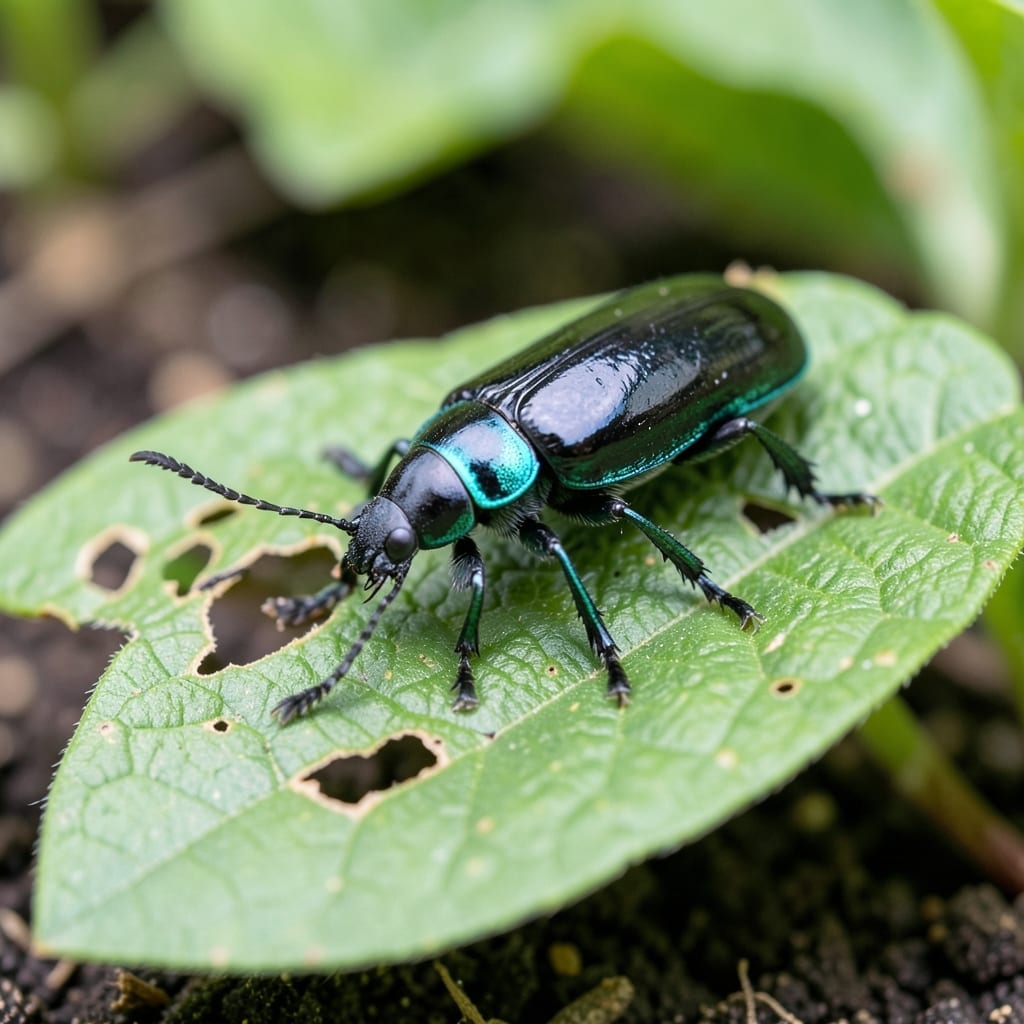
Last summer, slugs turned my hostas into lace overnight. I needed a solution that wouldn’t poison my soil or the toads that share my garden.
The answer wasn’t a spray—it was a barrier. Simple household items create a 100% organic defense that stops slugs before they start munching.
Copper tape, crushed eggshells, or diatomaceous earth work like invisible walls. Slugs won’t cross, and your plants stay safe without chemicals.
Works for vegetable patches, flower beds, and even container gardens. No more waking up to shredded leaves.
Understanding why slugs appear in your garden is the first step toward managing them organically. These slimy pests thrive under specific environmental and behavioral conditions. Below are the key reasons they become a problem.
Slugs are highly attracted to damp environments. Overwatering, poor drainage, or heavy rainfall creates ideal breeding grounds. They need moisture to survive, as their soft bodies dehydrate quickly in dry conditions. Mulch and dense plant foliage also trap humidity, offering them shelter.
Your garden is a buffet for slugs. They feed on decaying plant matter, tender leaves, fruits, and even fungi. Over-fertilized soil or unchecked compost piles provide additional food, encouraging their population growth. Removing debris and maintaining clean garden beds can reduce their appeal.
In balanced ecosystems, predators like beetles, birds, frogs, and hedgehogs keep slug numbers in check. However, urban gardens or those treated with chemical pesticides often lack these allies. Encouraging biodiversity with native plants or wildlife-friendly practices can naturally deter slugs.
Slugs are nocturnal and seek dark, undisturbed hiding spots during the day. Piles of leaves, wooden boards, rocks, or thick ground covers offer perfect refuges. Reducing clutter and creating exposed, dry areas during daylight hours forces them to seek less hospitable environments.
Slugs wreaking havoc in your garden? Here’s how to reclaim your plants without harsh chemicals. These organic fixes target the root of the problem while keeping your soil—and the planet—healthy.
Slugs thrive in damp conditions. Water in the morning so the soil dries out by evening, making it less inviting. Use a drip irrigation system to keep foliage dry, and avoid overhead watering. Prevention tip: Mulch with coarse materials like bark or straw to reduce moisture retention.
Young plants are slug magnets. Protect them with copper tape around pots or garden beds—the metal reacts with slug slime, creating a mild electric charge. For rows, cloches or cut plastic bottles work as mini greenhouses. Prevention tip: Start seeds indoors or use slug-resistant varieties like lavender or rosemary.
Slugs love debris, boards, and dense ground cover. Clear garden clutter and keep beds tidy to eliminate their daytime hideouts. Set up beer traps (bury a shallow dish filled with beer at soil level) or yeast traps (mix yeast, sugar, and water) for a non-toxic lure. Prevention tip: Handpick slugs at dusk (when they’re most active) and relocate them far from your garden.
A balanced ecosystem keeps slugs in check. Attract predators like birds, frogs, and ground beetles by adding a water source (e.g., a shallow birdbath) and native plants. Avoid pesticides—they kill slug-eating insects too! Prevention tip: Plant sacrificial crops like marigolds or lettuce to distract slugs from your prized veggies.
Yes! The copper reacts with slug slime to create a mild electric charge. It’s most effective when used as a continuous barrier around pots or beds.
Use diatomaceous earth or crushed eggshells—both are non-toxic and food-safe. Reapply after rain for best results.
Beer traps can attract slugs from neighboring areas, making the problem worse. In dry regions, they may also evaporate too quickly to be effective.
Reapply natural barriers like eggshells or diatomaceous earth every 1-2 weeks or after heavy rain. Copper tape lasts for years with proper installation.