
Beautiful Plants For Your Interior
Beautiful Plants For Your Interior
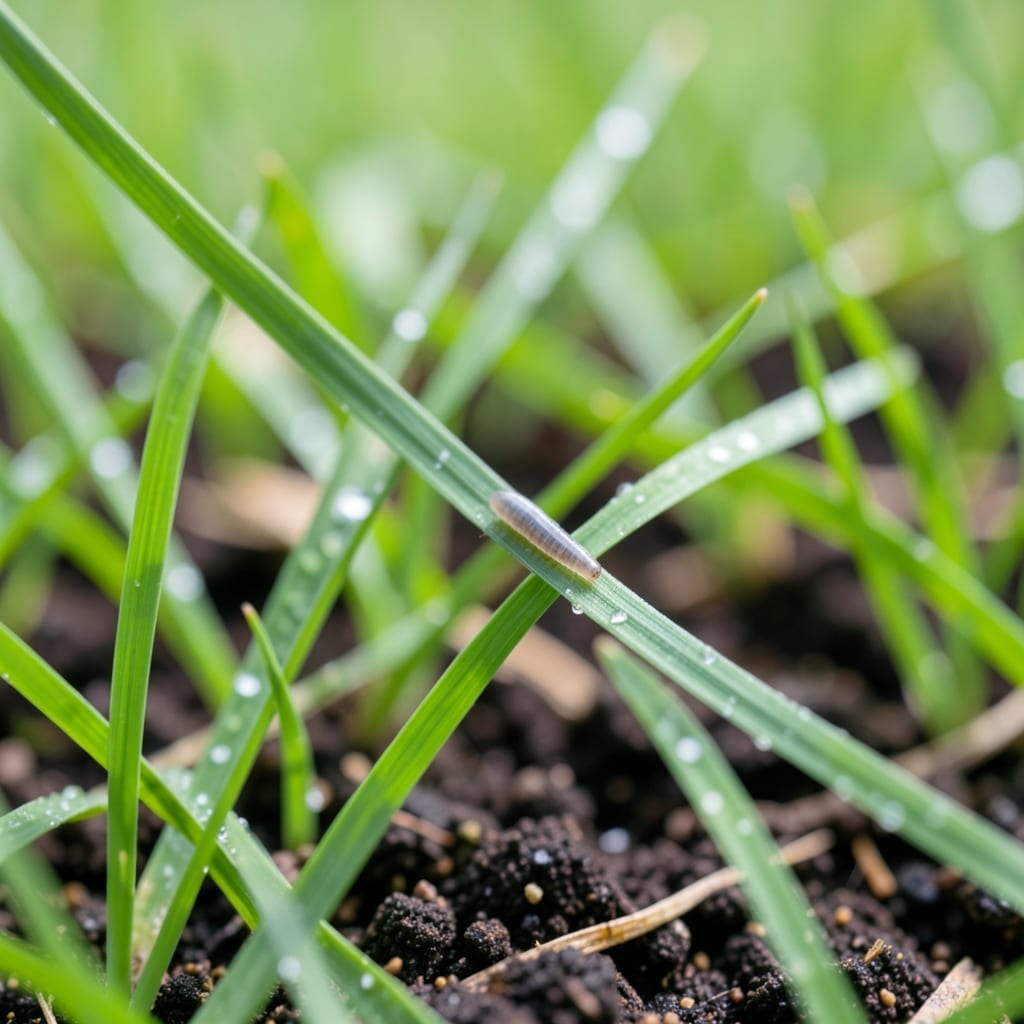
Brown patches appearing in your lawn overnight? I’ve been there—watching healthy grass turn to straw while invisible pests feast underground. Organic grub control works, but timing is everything.
Here’s the thing—those white grubs aren’t invincible. They hate beneficial nematodes, milky spore powder, and even simple soapy water tests to confirm their presence. Most people treat too late or with the wrong approach.
You’ll see results within 2-3 weeks of proper treatment: fewer moles digging, birds pecking, and that sad, spongy turf feeling firm again. The lawn bounces back greener and tougher than before.
Works for new lawns and established ones alike. No chemicals, just biology on your side.
Grub invasions don’t happen by accident—they’re driven by specific environmental and biological triggers. Understanding these causes helps you prevent them before they wreck your lawn. Here’s why grubs take over:
Beetles (like Japanese beetles or June bugs) prefer laying eggs in dense, healthy grass because it provides food and shelter for their larvae. Over-fertilized or waterlogged lawns are prime targets, as soft, moist soil makes it easier for grubs to burrow and feed on roots.
Grub eggs hatch best in soil temperatures between 60–75°F with consistent moisture. Heavy rainfall or overwatering in late spring/early summer creates the ideal nursery. Drought-stressed lawns are less appealing, as dry soil discourages egg-laying.
Healthy ecosystems keep grubs in check with predators like birds, toads, and beneficial nematodes. If your lawn lacks biodiversity—due to pesticide use or monoculture grass—grubs multiply unchecked. Organic lawns with diverse plant life naturally suppress grub populations.
A thick thatch layer (over ½ inch) traps moisture and insulates grubs from temperature swings. It also shields them from predators. Regular dethatching disrupts their lifecycle and exposes them to natural controls.
Grubs wreaking havoc on your lawn? Try these organic solutions to reclaim your grass without harsh chemicals.
Grubs thrive in damp soil. Cut back on watering and ensure proper drainage to make your lawn less inviting. Prevention tip: Water deeply but infrequently (1–1.5 inches per week) to encourage deep root growth and discourage grubs. 💡 Pro tip: Use a rain gauge to track moisture levels.
Healthy soil resists pests naturally. Introduce beneficial nematodes (like Heterorhabditis bacteriophora) to target grubs at their larval stage. Apply in the evening when soil is moist and temperatures are mild (55–85°F). Prevention tip: Aerate your lawn annually to improve soil structure and nutrient absorption.
Encourage birds, toads, and predatory beetles by creating a wildlife-friendly yard. Install a small water source, leave leaf litter in garden beds, and avoid pesticides. Prevention tip: Plant native flowers and shrubs to provide shelter for grub-eating creatures. 🎯 Bonus: Chickens love grubs—let them forage in affected areas!
A dense, vigorous lawn resists grub damage better. Use organic fertilizers like compost, corn gluten meal, or seaweed-based products to fortify your grass. Prevention tip: Mow high (3–4 inches) to shade the soil and reduce grub activity. ✨ Pro tip: Overseed in the fall to thicken your lawn naturally.
Thick thatch (over ½ inch) shelters grubs and blocks water/nutrients. Use a dethatching rake or machine in early spring or fall. Prevention tip: Avoid over-fertilizing with nitrogen, which can accelerate thatch buildup.
Apply beneficial nematodes every 4-6 weeks during grub season (spring to early fall). For best results, treat in the evening when soil is moist and temperatures are between 55–85°F.
Yes! These methods complement each other. Milky spore targets Japanese beetle grubs, while nematodes work on a broader range of grub species. Apply them at the same time for enhanced protection.
Neem oil or soapy water tests can provide immediate confirmation of grub presence. For treatment, beneficial nematodes show results within 1-2 weeks as they actively hunt and kill grubs.