
Beautiful Plants For Your Interior
Beautiful Plants For Your Interior
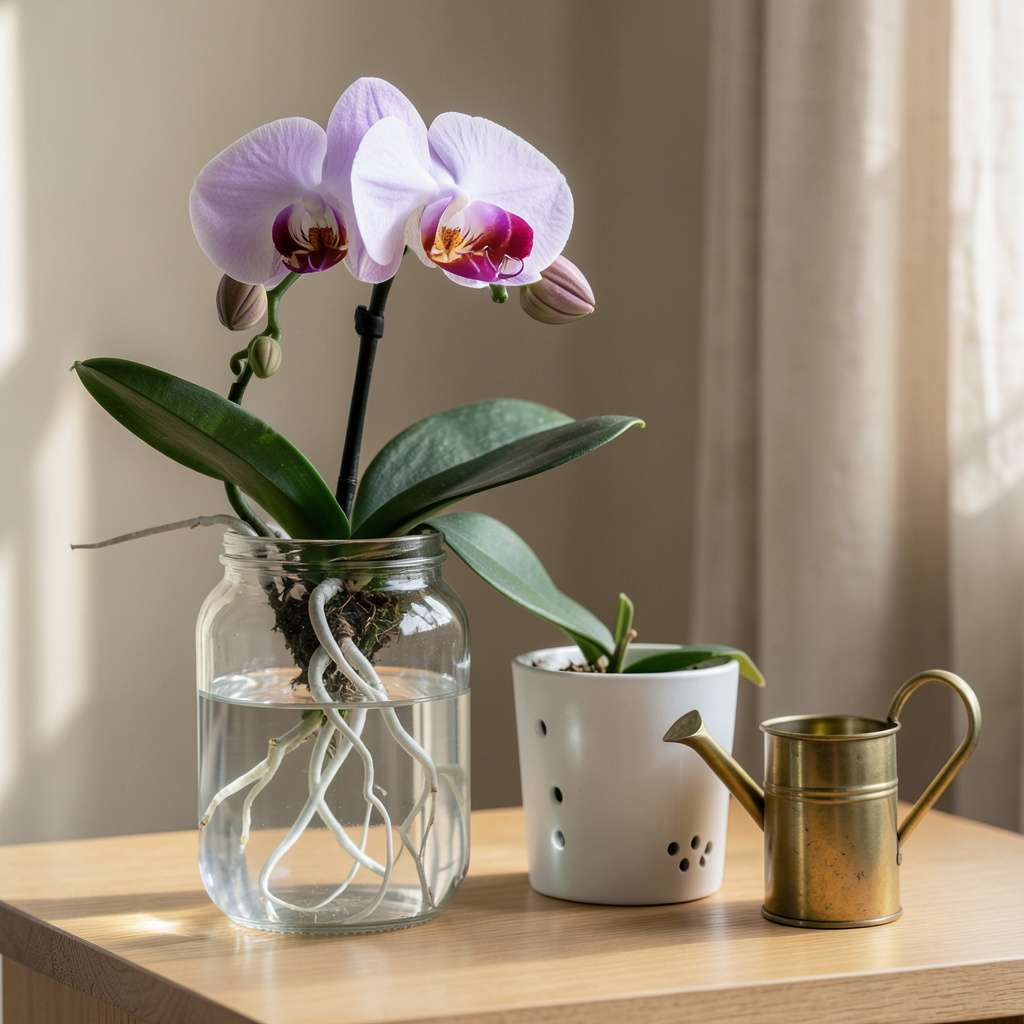
Orchid roots in water can indicate proper hydration, but excess water causes root rot. Ensure proper drainage and avoid overwatering to maintain healthy roots.
Understanding how orchids utilize moisture is crucial for their care. 🌱 These plants, often epiphytic, thrive by absorbing water through their roots, which can adapt to both dry and wet environments. I’ve learned that maintaining a balance is key; too much moisture can lead to decay, while too little can hinder their growth. Checking for signs like mushy roots or yellowing leaves helps me adjust my watering schedule effectively.
To keep my orchids healthy, I always ensure they have adequate drainage. 🌿 Using pots with holes or specialized orchid mixes allows excess water to escape, preventing root rot. This approach not only supports their hydration needs but also encourages robust root development. Monitoring these conditions has made a significant difference in my gardening experience.
💡 In This Article
Orchids are fascinating plants that exhibit unique adaptations for water absorption. Their roots are designed to thrive in various conditions, particularly in the wild where they often grow on trees. 🌳 Unlike terrestrial plants, epiphytic orchids absorb moisture and nutrients through their roots directly from the air and rain.
This specialization allows them to flourish even in challenging environments.
The structure of orchid roots is different from those of terrestrial plants. They have a spongy outer layer called velamen, which helps them absorb moisture quickly. This layer can hold water, providing hydration during dry spells. Interestingly, the roots can also photosynthesize, capturing sunlight to aid in energy production.
🌞 This dual function enhances their ability to thrive in diverse habitats.
When you see orchid roots submerged in water, it might indicate they are receiving sufficient hydration. However, it’s essential to monitor them closely. Excess moisture can lead to root rot, a condition characterized by mushy and discolored roots. I’ve learned that maintaining a balance between moisture and air circulation is crucial for healthy root systems.
🌬️
To care for orchids effectively, it’s important to recognize signs of overwatering. Yellowing leaves or soft, mushy roots signal that the plant is struggling. In these cases, adjusting your watering schedule becomes imperative. Aim for a routine that allows the roots to dry out slightly between waterings while ensuring they don’t become completely dehydrated. 💧
Using appropriate pots is another vital aspect of orchid care. Opt for containers with drainage holes and consider specialized orchid potting mixes that allow for optimal airflow. This setup promotes healthy root development and prevents standing water, which can lead to decay.
🌱 I’ve found that using bark or sphagnum moss in my potting mix has made a significant difference in maintaining moisture levels.
In conclusion, understanding how orchids interact with water is key to their health. By monitoring their root conditions and ensuring proper drainage, you can create an environment where your orchids thrive. 🌼 Always
