
Beautiful Plants For Your Interior
Beautiful Plants For Your Interior
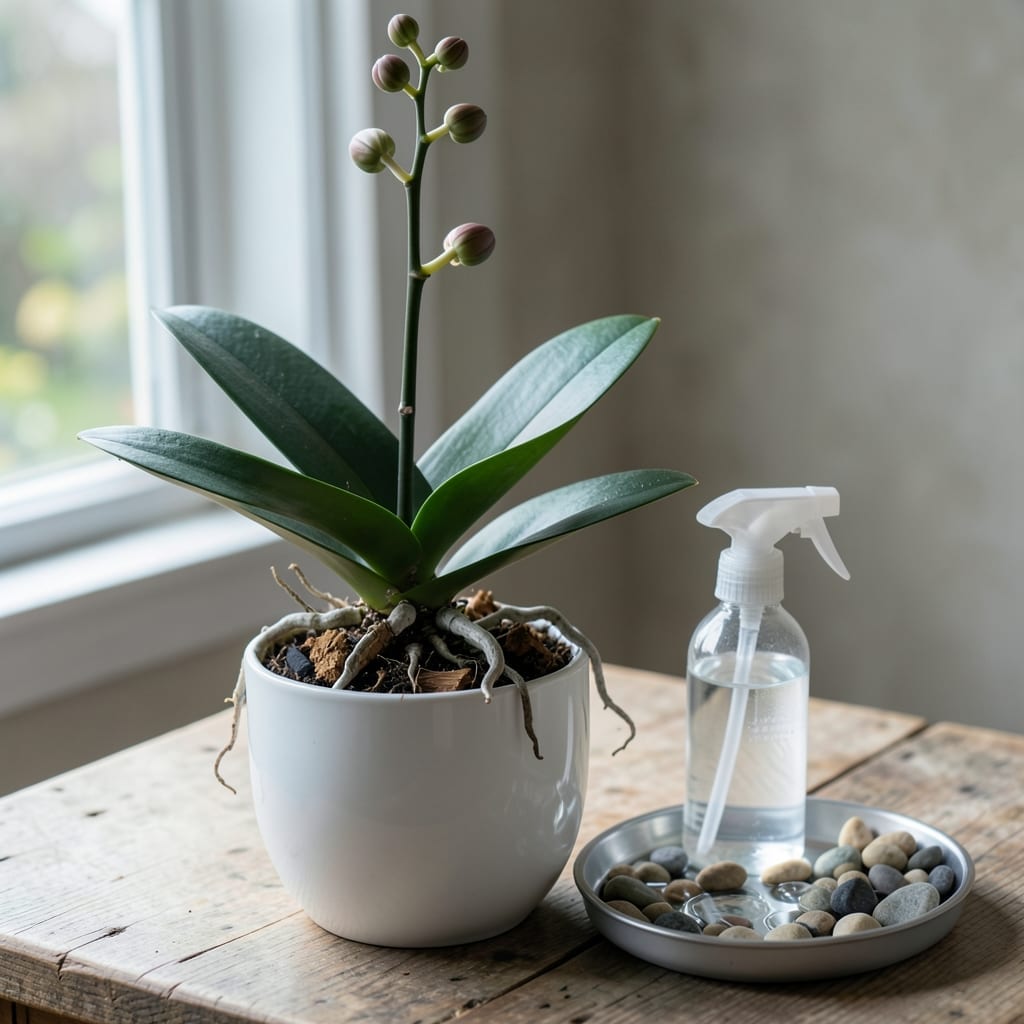
Watching orchid roots turn silver and brittle hits different. I’ve nursed dozens back from the edge with one rule: hydration, not drowning, wins every time.
Dry roots usually scream underwatering or bone-dry air. But here’s the thing—most people overcorrect by soaking daily, which rots what’s left. The fix is consistent moisture with perfect drainage.
Within 2-3 weeks of the right routine, plump green roots emerge. You’ll see new growth where there was crispy despair, and the plant starts pushing out fresh leaves like nothing happened.
Works for phalaenopsis, cattleyas, and any orchid that’s given up on life. Let’s bring it back.
Orchid roots drying out is often a sign of improper care or environmental stress. Below are the most common causes, explained with actionable insights to help you prevent this issue.
Orchids require consistent moisture, but their watering needs differ from typical houseplants. Underwatering is a primary cause of dried roots. Unlike soil-based plants, orchids—especially epiphytic varieties like Phalaenopsis—rely on their roots to absorb moisture from the air and their growing medium. When water is scarce, the velamen (the spongy outer layer of orchid roots) fails to hydrate, leading to dehydration and shriveled roots.
Orchids thrive in 40-70% humidity. In dry indoor environments (common in winter or air-conditioned spaces), moisture evaporates rapidly from the roots and growing medium. Without adequate humidity, the roots cannot replenish lost water, causing them to dry out and turn brittle. This is particularly critical for mounted orchids, which have no medium to retain moisture.
While orchids need light to photosynthesize, direct sunlight or high temperatures accelerate water loss through transpiration. Roots exposed to intense light or heat (e.g., near a south-facing window) can dry out quickly. Additionally, heat sources like radiators or vents can create a microclimate that parches the roots, even if the rest of the plant appears healthy.
A degraded or unsuitable potting mix can prevent proper hydration. Over time, organic mediums like bark break down into smaller particles, reducing aeration and water retention. If the mix is too dense or hydrophobic, water may run off without penetrating the roots. Similarly, inorganic mediums (e.g., clay pellets) may not retain enough moisture for sustained root hydration.
If your orchid’s roots are drying out, don’t panic—simple adjustments can bring them back to life. Below are targeted fixes for common causes, paired with prevention tips to keep roots hydrated long-term.
Soak the orchid in room-temperature water for 10–15 minutes once a week, allowing excess to drain completely. For severely dehydrated roots, increase to twice weekly until they plump up. Prevention tip: Use a clear pot to monitor root moisture—healthy roots are firm and silvery-green when dry, bright green when wet.
Move the plant to a spot with bright, indirect light (east or north-facing windows work well). If roots are sunburnt (white, shriveled), trim the damaged parts with sterilized scissors. Prevention tip: Rotate the orchid quarterly to ensure even light exposure without direct harsh rays.
Place the orchid on a humidity tray filled with pebbles and water, or group it with other plants. Aim for 40–70% humidity. For quick relief, mist roots lightly in the morning. Prevention tip: Avoid placing orchids near vents, heaters, or air conditioners, which dry out the air.
Replace old, decomposed bark with a chunky, airy mix (fir bark, sphagnum moss, or coconut husk chips). Repot every 1–2 years to maintain proper drainage. Prevention tip: Soak new potting mix in water overnight before use to remove dust and improve moisture retention.
Run lukewarm water through the pot for 2–3 minutes to leach out excess salts from fertilizers or tap water. Repeat monthly if using hard water. Prevention tip: Use rainwater or distilled water for irrigation, and fertilize weakly (half-strength) every other week.
Pro tip 💡: Always water in the morning so roots dry slightly by evening—this mimics natural conditions and prevents rot.
Soak your orchid for 10-15 minutes weekly. Increase to twice weekly if roots appear shriveled. Always use room-temperature water and let excess drain completely.
Yes, with proper care. Plump green roots will emerge within 2-3 weeks of consistent hydration. Trim any completely desiccated roots to help the plant focus energy on healthy growth.
Orchids thrive in 40-70% humidity. Use a pebble tray or humidifier to maintain this range, especially in dry indoor climates. Avoid placing near heat sources.