
Beautiful Plants For Your Interior
Beautiful Plants For Your Interior
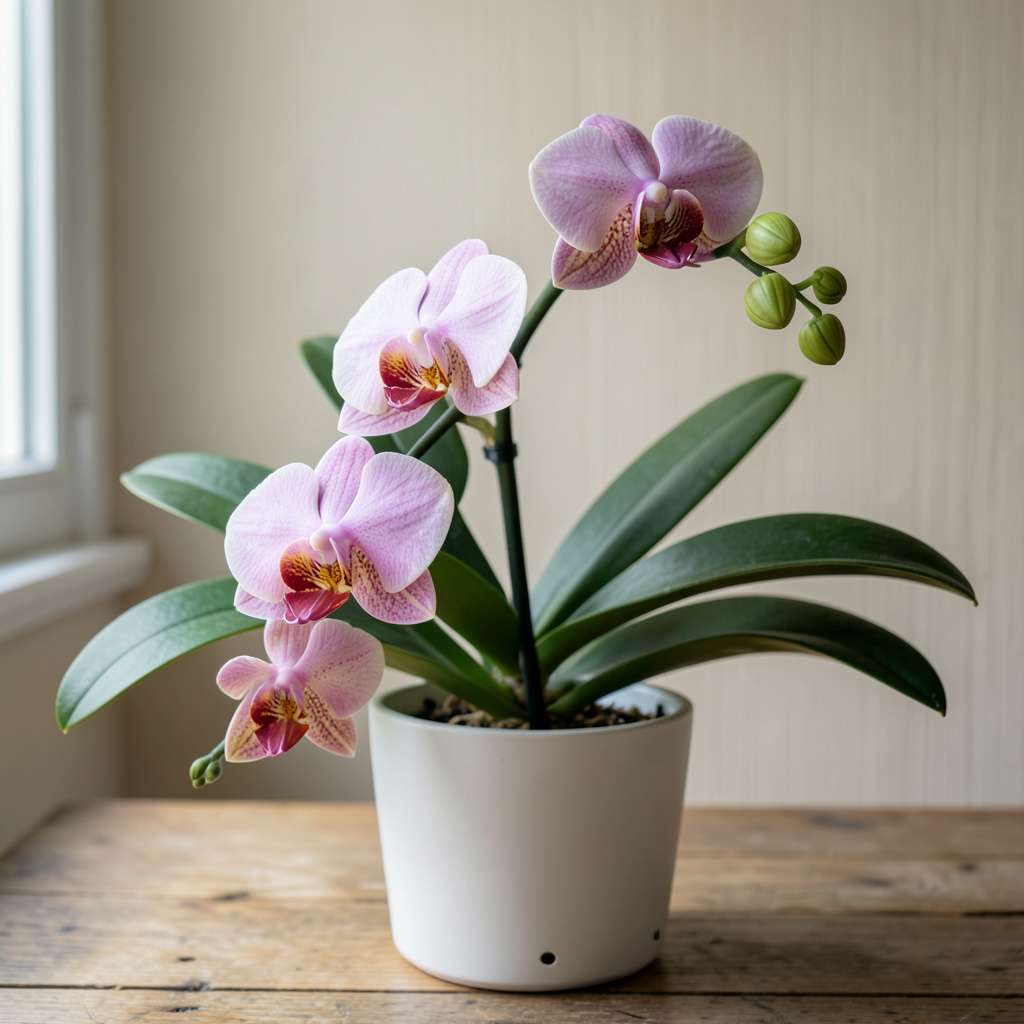
Orchid blooming stages include bud formation, blooming, and post-bloom recovery. Each stage requires specific care like proper light, water, and nutrients to encourage reblooming.
Understanding these stages is crucial for successful orchid care. 🌺 The initial phase focuses on bud formation, which relies on balanced nutrients and the right light conditions to develop properly. During blooming, the plant showcases its vibrant flowers, requiring consistent moisture without overwatering. Lastly, the post-bloom recovery phase is essential for preparing the orchid for future blooms, making it vital to adjust care routines accordingly.
This approach not only enhances the current blooming period but also promotes a healthier plant for the next cycle. By monitoring factors like humidity and temperature, I can create an ideal environment that supports my orchids through each phase. 🌿
💡 In This Article
The blooming process in orchids is fascinating and intricately tied to biological mechanisms. During the initial bud formation phase, orchids require specific light conditions and nutrient balance. This is because they rely heavily on photosynthesis to generate energy, which is crucial for developing healthy buds. 🌟
Hormonal changes also play a significant role in this stage. The production of auxins and gibberellins, key plant hormones, triggers cell elongation and differentiation, leading to bud growth. If light levels are too low or nutrients are imbalanced, this hormonal balance can be disrupted, resulting in poor bud development. 🌱
As the orchid enters the blooming phase, it showcases its stunning flowers. This stage demands consistent moisture levels; however, overwatering can lead to root rot, which is detrimental. Orchids typically thrive in humidity levels around 50-70%, which helps maintain hydration without waterlogging the roots. 🌿
During blooming, energy allocation becomes essential. The plant directs resources toward maintaining flower health and longevity. Adequate light—ideally around 12-14 hours of bright, indirect sunlight—is crucial for sustaining this energy flow. If the flowers start to wilt prematurely, it could indicate insufficient light or improper watering practices. 🌼
Finally, after blooming, the post-bloom recovery phase is critical for future growth. Here, orchids enter a period of dormancy where they should receive less water and lower nutrient levels to prevent stress. This stage allows the plant to rejuvenate and prepare for the next blooming cycle. 🕊️
In this recovery phase, monitoring environmental factors like temperature—ideally between 65°F and 75°F—is essential for optimal health. Adjusting care routines during this time can significantly influence the success of future blooms. 🌸
