
Beautiful Plants For Your Interior
Beautiful Plants For Your Interior
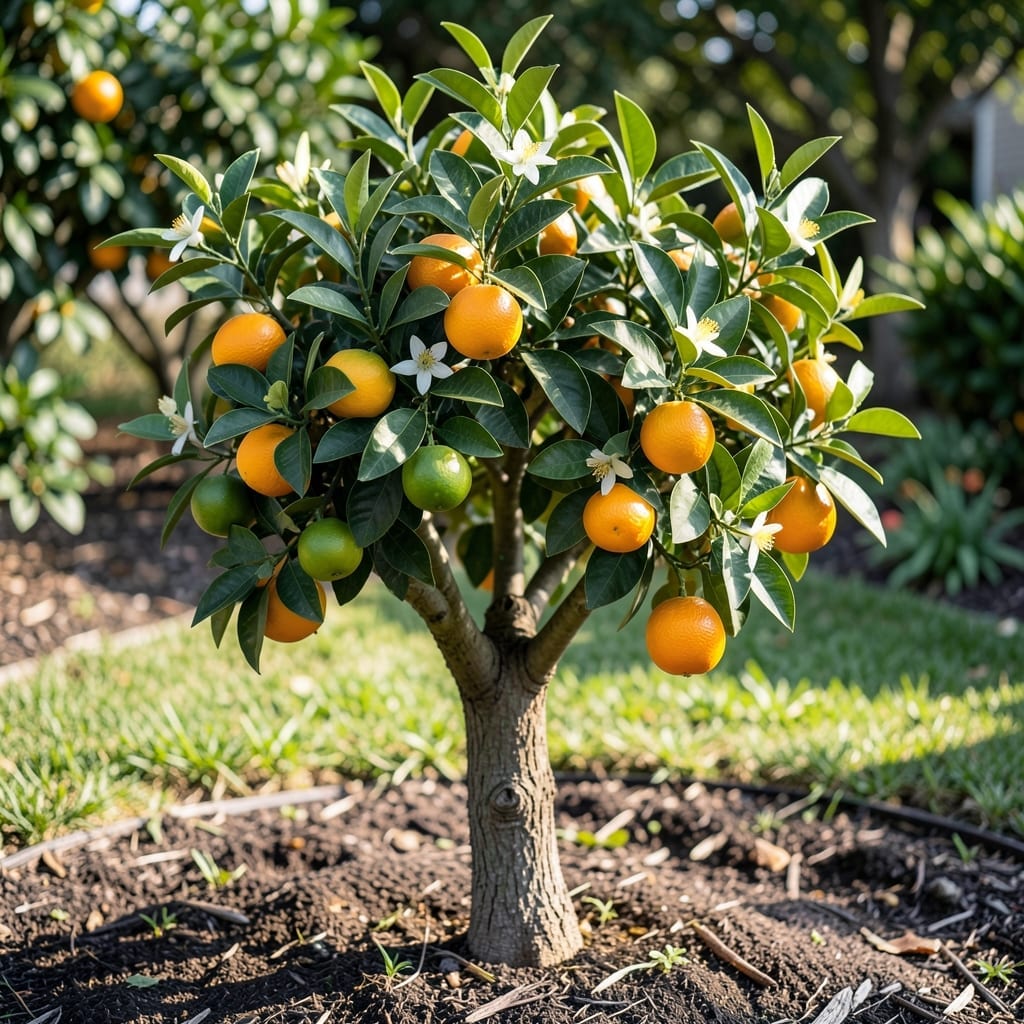
Watching an Orange Tree 🍊 progress from delicate blossoms to juicy, sun-ripened fruit is one of gardening’s most satisfying experiences.
Understanding its fruit cycle helps you nurture it for a bountiful harvest every season. Each stage, from flowering to ripening, holds the key to healthy growth.
I’ll walk you through what to expect and when, so you can give your tree the right care at the right time. It’s simpler than you might think.
Let’s explore how a little knowledge can make all the difference in your citrus success.
Watching an orange tree transform from blossoms to fruit is magical. I love tracking each growth phase, as it helps me provide the best care for a healthy harvest. Understanding these stages ensures your tree thrives year-round.
The cycle begins with fragrant white flowers in spring, a sign that pollination is underway. Bees and wind help transfer pollen, which is crucial for fruit set to occur. Without this step, no oranges will form on your tree.
| Stage | Duration | Key Action |
| Blossoming | 2-4 weeks | Pollination by bees |
| Fruit Set | 4-8 weeks | Small green oranges appear |
| Growth Phase | 3-5 months | Fruit expands rapidly |
| Color Change | 6-8 months | Green to orange hue |
| Ripening | 8-12 months | Sweetens and softens |
After fruit set, tiny green oranges emerge. This is when I ensure my tree gets consistent watering and balanced fertilizer to support development. Skipping care now can lead to premature fruit drop.
During the growth phase, oranges swell in size. I check for pest damage and nutrient deficiencies weekly. Aphids and mites love this stage, so I stay vigilant with organic sprays if needed.
The color change signals maturity is near. In warm climates like USDA zones 9-11, this happens faster. I reduce water slightly to concentrate sugars in the fruit for a sweeter harvest.
Finally, the ripening stage is all about patience. Oranges don’t ripen further after picking, so I wait until they’re fully orange and slightly soft. A sweet citrus aroma is the best sign they’re ready.
I always harvest in the morning when temperatures are cool. This preserves the fruit’s freshness and flavor. Using sharp pruners, I cut the stem carefully to avoid damaging the tree or fruit.
Each orange tree may vary slightly based on variety and growing conditions. Navel oranges, for example, often ripen earlier than Valencia oranges, which can hang on the tree for months.
By observing these stages closely, I’ve learned to anticipate my tree’s needs before problems arise. This proactive approach keeps my orange harvest abundant and delicious every season. 🌿
I’ve found that temperature and humidity play a huge role in how well your orange tree progresses through its fruit cycle. Warm climates with consistent sunlight help oranges develop their signature sweetness and vibrant color.
Proper watering is also key. I recommend deep soaking your tree weekly during the growing season, ensuring the soil stays moist but never waterlogged.
Fertilizing with a balanced 6-6-6 NPK every 4-6 weeks keeps your tree nourished. I always apply fertilizer in the early morning to maximize absorption without stressing the tree.
Pruning is another critical step. I prune my orange trees in late winter to remove dead branches and improve airflow, which helps prevent fungal diseases and encourages better fruit production.
Pests can disrupt the fruit cycle, so I regularly inspect my trees for aphids or scale insects. A simple neem oil spray works wonders if I catch them early.
Finally, frost protection is essential in cooler climates. I use frost cloths or mulch to shield the roots when temperatures drop below 32°F. This ensures my tree stays healthy year-round.
☀️