
Beautiful Plants For Your Interior
Beautiful Plants For Your Interior
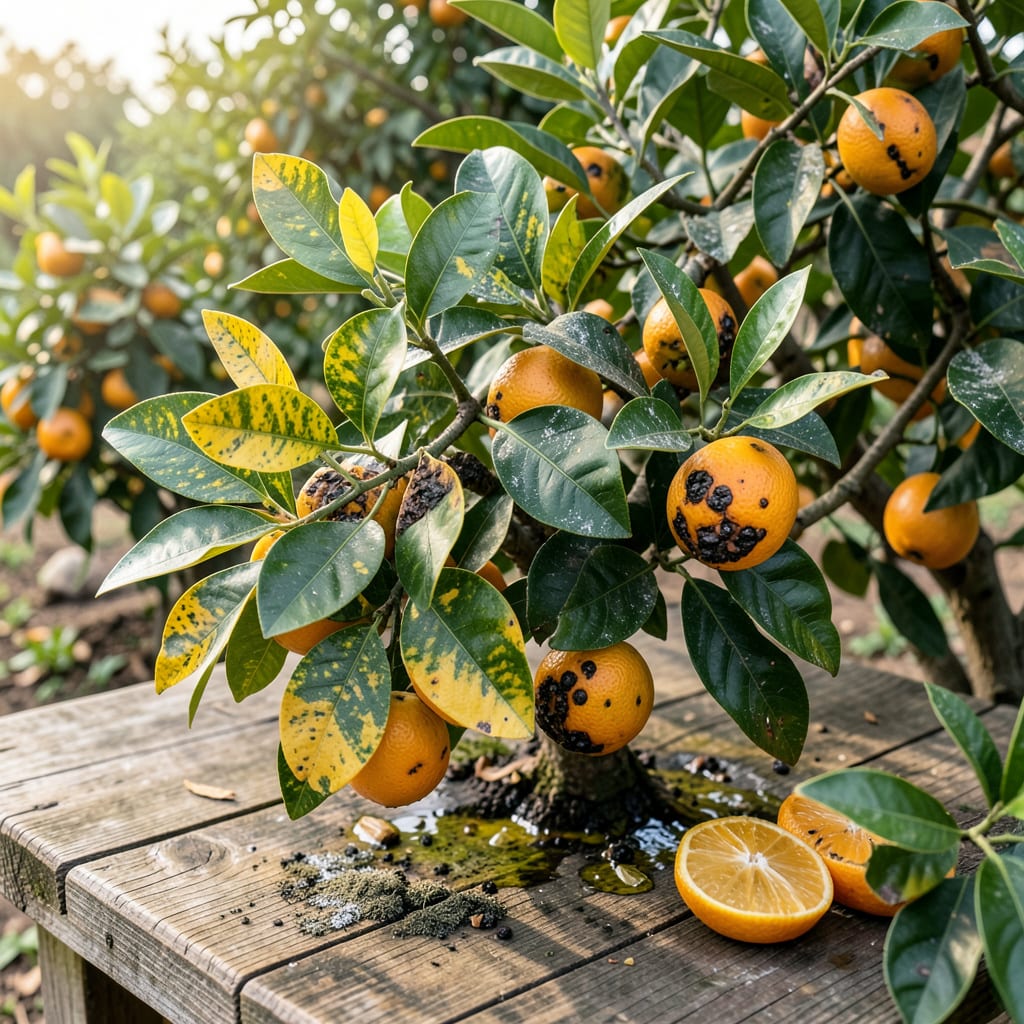
Your orange tree’s leaves telling you something’s wrong. I’ve seen brown spots, yellowing, and curled edges turn into full-blown disasters when ignored for even a few days.
Early diagnosis is everything. Most problems start small—maybe a single leaf or branch—but spread quickly if you don’t act. The good news? Many issues are treatable with the right approach.
What you’ll get are clear visual cues to spot trouble before it takes over. No guesswork, just straightforward steps to save your tree and keep it productive.
Works for backyard growers, container gardeners, and anyone tired of watching their citrus struggle. Here’s how to read the signs.
Orange tree diseases often stem from a mix of environmental, biological, and cultural factors. Understanding the root causes helps you prevent and manage problems effectively. Below are the primary triggers:
Many orange tree diseases, like citrus canker and root rot, are caused by fungal spores. These thrive in warm, wet conditions, spreading through rain, wind, or contaminated tools. Poor drainage or overwatering creates the perfect breeding ground for fungi like Phytophthora.
Insects such as aphids, scale, and citrus leafminers weaken trees by feeding on sap or leaves. Their damage creates entry points for bacteria and viruses. For example, the Asian citrus psyllid spreads Huanglongbing (HLB), a devastating bacterial disease.
Extreme temperatures, drought, or frost can stress orange trees, making them more susceptible to disease. Heat stress may lead to sunburn on fruit, while cold snaps can cause frost damage, both of which invite secondary infections.
Improper pruning, lack of sanitation, or over-fertilization can compromise tree health. Dirty tools spread pathogens, while excess nitrogen promotes lush but weak growth, attracting pests. Inadequate spacing reduces airflow, fostering fungal growth.
Addressing these triggers—through proper irrigation, pest control, and hygiene—can significantly reduce disease risks.
Tackling orange tree diseases starts with identifying the problem and applying the right fix. Below are practical solutions for common issues, paired with prevention tips to keep your tree thriving. 🌳✨
Remove infected branches or leaves with sterilized pruners to stop the spread. Apply a copper-based fungicide or neem oil every 7–10 days until the issue clears. Prevention tip: Improve airflow by spacing branches and avoiding overhead watering. 💡
For aphids, scale, or mites, blast them off with water or use insecticidal soap. For severe cases, opt for horticultural oil or a pyrethrin-based spray. Prevention tip: Encourage beneficial insects like ladybugs and maintain a clean garden. 🎯
If roots are soggy and brown, trim affected areas and repot in fresh, well-draining soil. Ensure pots have drainage holes, and water only when the top inch of soil is dry. Prevention tip: Use raised beds or sandy loam soil for better drainage. 🌱
Yellow leaves often signal a lack of nitrogen, magnesium, or iron. Use a citrus-specific fertilizer and test soil pH (aim for 6.0–7.0). Prevention tip: Feed trees every 4–6 weeks during growing season. ✨
For sunburn, use shade cloth during peak hours. For frost, cover young trees with blankets or frost cloth overnight. Prevention tip: Plant in a sheltered spot and mulch heavily in winter. 🌡️
Look for dark spots on leaves or fruit, powdery mildew, or oozing cankers. Fungal issues often start on lower leaves and spread upward. Compare symptoms to trusted visual guides for confirmation.
The Asian citrus psyllid is the top threat, spreading Huanglongbing (HLB). Check for curled leaves, sticky honeydew, or tiny insects on new growth. Act fast to prevent irreversible damage.
Yes! Use neem oil or insecticidal soap for pests, and prune infected areas with sterilized tools. Improve airflow and water at the base to discourage fungal growth.
