
Beautiful Plants For Your Interior
Beautiful Plants For Your Interior
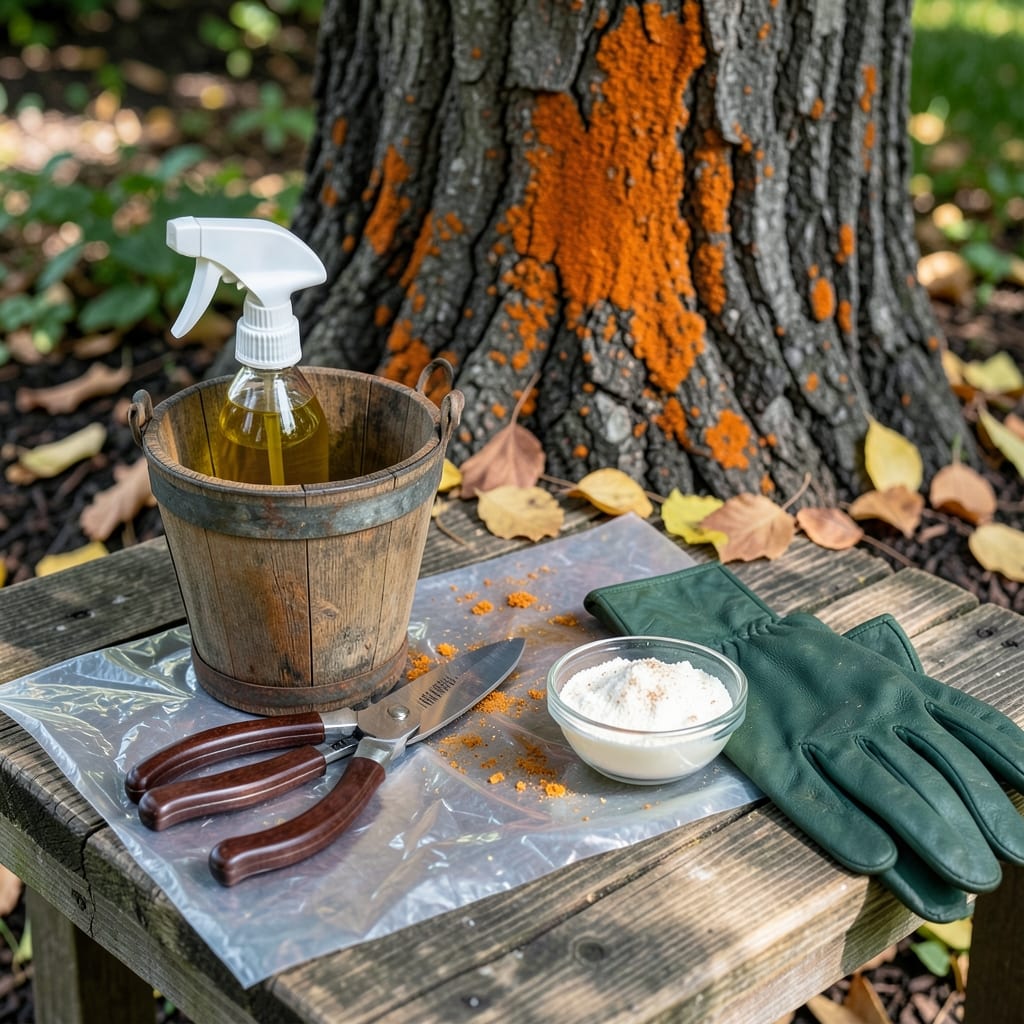
Those bright orange spots on your tree bark aren’t just ugly—they’re a warning. I’ve seen this rust spread fast if ignored.
Catching it early means saving your tree with simple, organic steps. Left untreated, it weakens branches and stunts growth for years.
Short list. Tackle this rust before it spreads further.
| Ingredient | Amount | Notes |
|---|---|---|
| Neem Oil 🌿 | 1 quart | Cold-pressed organic |
| Pruning Shears ✂️ | 1 piece | Sterilized with rubbing alcohol |
| Garden Gloves 🧤 | 1 piece | Durable nitrile or latex |
| Spray Bottle 💦 | 1 piece | 1-quart capacity |
| Baking Soda 🧪 | 1 lb | Food-grade for safety |
| Liquid Soap 💧 | 1 oz | Mild unscented castile |
| Water 💧 | 1 gallon | Rainwater or dechlorinated |
| Fungicide 🌱 | 1 packet | Copper-based organic option |
| Bucket 🪣 | 1 piece | 5-gallon for mixing |
| Soft Brush 🔧 | 1 piece | For scrubbing bark |
| Plastic Sheeting 📋 | 1 piece | To protect surrounding plants |
[recipeingredientscaler]
Neem oil is your best first line of defense here. Cold-pressed organic works best and won’t harm beneficial insects when applied at dusk. Home Depot or local nurseries usually stock it—avoid anything with added chemicals (the good stuff, not the shelf-stable blends). A 1-quart bottle covers multiple trees.
No neem oil? Baking soda spray (1 tbsp per gallon of water + 1 tsp soap) works in a pinch. Pruning shears must be sterilized between cuts—rubbing alcohol does the job. If the infection is severe, copper fungicide from Lowe’s packs more punch but requires careful application (worth the extra dollar).
Store leftover neem oil in a cool, dark place—it lasts 1-2 years. Keep pruning tools dry to prevent rust. I label my spray bottles with the mix date so I know when to refresh the solution.
Here’s my reliable method for tackling this problem safely and effectively.
Lay out the 1 piece Plastic Sheeting around the base of the tree to catch any falling spores or debris. This prevents the rust from spreading to other plants. Secure the edges with rocks or bricks so wind doesn’t blow it away during the process.
Put on the 1 piece Garden Gloves to protect your hands from both the rust and the solutions you’ll be using. I always check that my gloves are intact—no small tears that could let spores touch my skin.
Use the 1 piece Pruning Shears to carefully cut away any heavily infected branches or bark. Sterilize the shears between cuts by wiping with rubbing alcohol to prevent spreading the rust. I make clean cuts at a 45-degree angle to help the tree heal faster.
Gently scrub the affected bark with the 1 piece Soft Brush to remove loose spores. Don’t press too hard—you don’t want to damage healthy bark. Collect all removed material on the plastic sheeting for proper disposal.
In the 1 piece Bucket, mix 1 gallon Water with 1 oz Liquid Soap and 1 lb Baking Soda. Stir thoroughly until the baking soda fully dissolves. This creates a gentle but effective fungicide that won’t harm the tree.
Pour the mixture into the 1 piece Spray Bottle and apply evenly to the affected areas until the bark is thoroughly wet. I spray until I see the solution dripping slightly—this ensures full coverage. Reapply every 7-10 days until the rust is gone.
Mix 1 quart Neem Oil with 1 gallon Water in the bucket according to the product instructions. Neem oil disrupts the rust’s life cycle and prevents new spores from germinating. I always mix this fresh—neem oil loses effectiveness if left sitting.
Transfer to the spray bottle and apply to the entire tree, focusing on both infected and healthy areas. Neem oil works best when applied in the early morning or late evening to avoid leaf burn. Reapply every 2-3 weeks as a preventive measure.
If the infection persists, use the 1 packet Fungicide as a last resort. Follow the package instructions carefully for mixing ratios. I reserve this for stubborn cases where the organic methods haven’t fully resolved the issue.
Apply the fungicide with the spray bottle, covering all affected areas completely. Wear your gloves and avoid breathing in the spray. Most organic fungicides require reapplication after rain or every 10-14 days until the problem is under control.
While orange rust on tree bark is primarily a fungal issue, creative approaches to managing or disguising its effects can add a unique touch to your garden. Here are some inspired variations to tackle or adapt to its presence:
For a bold approach, use a neem oil and cayenne pepper spray to combat the fungus while adding a spicy kick to your garden care routine. Mix 1 tablespoon of cayenne pepper and 1 teaspoon of neem oil per gallon of water, then spray affected areas weekly. This method not only deters pests but also gives your garden a fiery, proactive defense.
Blend baking soda and honey for a sweet yet effective treatment. Combine 1 tablespoon of baking soda, 1 teaspoon of honey, and 1 quart of water to create a spray that fights fungus while nourishing the bark. The honey adds a subtle sweetness, making this a gentle yet effective solution.
Opt for a lightweight, organic approach using compost tea. Steep 1 cup of well-aged compost in 1 gallon of water for 24 hours, then strain and spray onto the bark. This boosts the tree’s natural defenses without harsh chemicals, keeping your garden light and eco-friendly.
In fall, use crushed garlic and cinnamon for a seasonal fungicide. Mix 3 crushed garlic cloves and 1 tablespoon of cinnamon in 1 gallon of water, then spray on affected bark. This method leverages autumn’s natural antifungal properties while adding a warm, spicy aroma to your garden care.
