
Beautiful Plants For Your Interior
Beautiful Plants For Your Interior
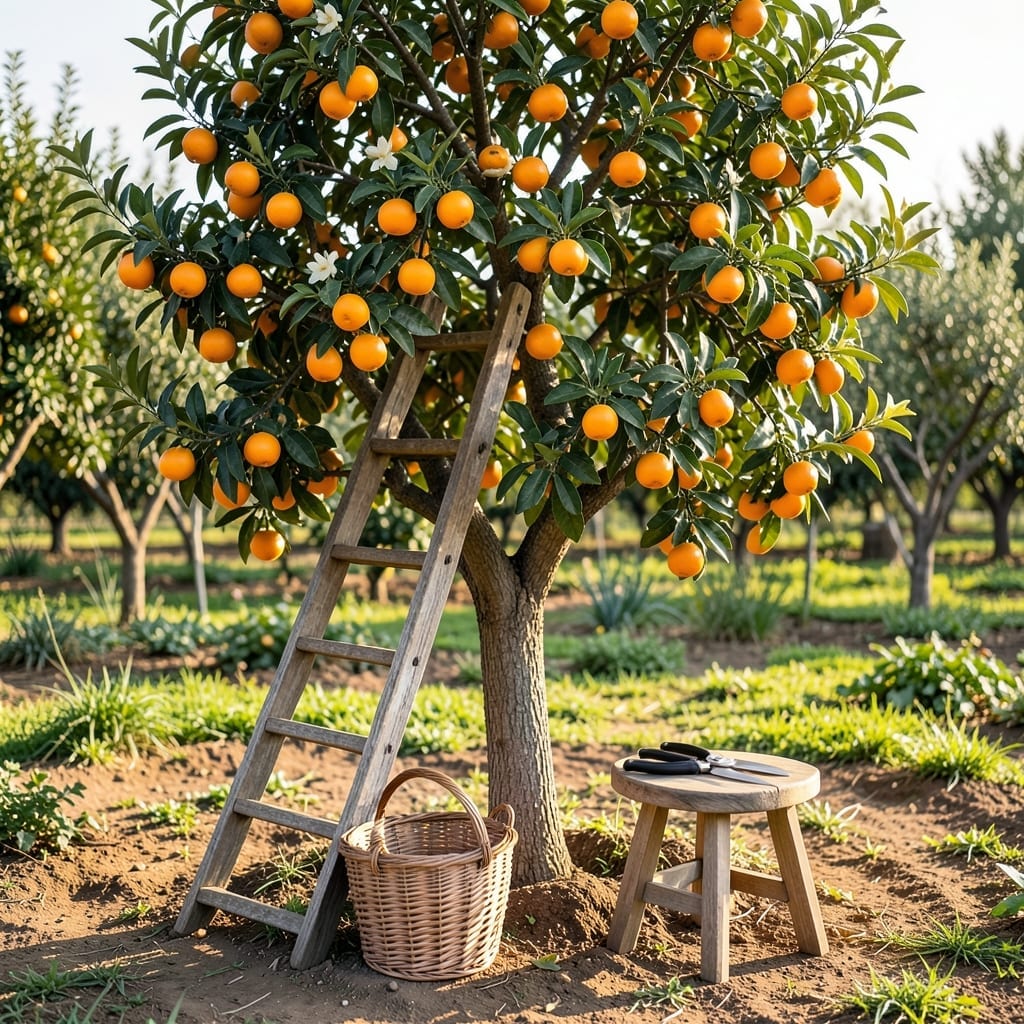
There’s nothing quite like the taste of a perfectly ripe Orange 🍊 straight from your own tree. But knowing when to pick can make all the difference between a lackluster fruit and a burst of sunshine in your mouth.
Timing is everything with these citrus gems. In zone 9b, the magic window typically runs from October to January, when the fruit reaches its peak sweetness and juice content.
I’ve learned that color alone isn’t always the best indicator. You’ll want to look for other subtle signs that your oranges are ready to come off the tree.
Discover the simple tricks I use to determine the exact moment for harvesting – your taste buds will thank you.

Timing your orange harvest perfectly ensures the best flavor and juice content. The peak ripeness window varies by climate and variety, but visual cues are your best guide. I always look for full color development first.
In most regions, oranges are ready between October and January, but tropical areas may have year-round harvests. The fruit’s skin color is the most obvious indicator, but there are other signs to watch for too.
| Ripeness Sign | What to Look For |
|---|---|
| Color | Fully deep orange with no green patches |
| Texture | Slightly soft when gently squeezed |
| Aroma | Sweet citrus scent at the stem end |
| Stem | Easily separates from the branch |
A fully ripe orange will have a vibrant orange hue all over. If you see green or yellow patches, the fruit isn’t ready yet. I check the side facing the tree—if it’s orange there, the whole fruit is likely ripe.
The touch test is another reliable method. Gently squeeze the fruit—if it gives slightly, it’s ready. A hard orange needs more time, while an overly soft one may be past its prime.
Don’t underestimate the sniff test. A mature orange emits a sweet, citrusy aroma near the stem. If there’s no scent, the fruit isn’t ripe. This is one of my favorite checks because it’s so simple.
The stem separation test is a classic. If the fruit detaches easily from the branch with a gentle twist, it’s ready. If it resists, leave it for another week or two. This prevents damaging the tree or the fruit.
For Navel oranges, the harvest window is typically November to January. Valencia oranges often ripen later, from March to June. Always check your local climate for adjustments.
In warmer climates, oranges may ripen earlier or later than average. I’ve found that coastal areas with mild winters often have extended harvest seasons. Keep notes on your tree’s progress each year.
Finally, taste-test one fruit if you’re unsure. If it’s sweet and juicy, the rest are likely ready. If it’s tart or dry, give them more time. This is the most reliable method of all.
☀️Timing your orange harvest perfectly depends on the variety you’re growing. Each type has its own ripening window, often influenced by climate and growing conditions. I’ve found that Navel oranges typically ripen earlier than Valencias, which are known for their late-season harvest. ☀️
Regional differences also play a big role. In warmer climates like California or Florida, oranges may mature faster, while cooler areas might see a delayed harvest season. It’s essential to monitor your trees closely as the season progresses. 🌿
| Variety | Harvest Window | Key Regions |
|---|---|---|
| Navel | November–January | California, Arizona |
| Valencia | March–June | Florida, Texas |
| Blood Orange | December–April | California, Italy |
For Navel oranges, the peak ripeness often aligns with cooler winter months. These are seedless and perfect for fresh eating. I always check for a deep orange color and a slight give when gently squeezed. 🌱
Valencia oranges are a bit different. They’re often used for juice and can stay on the tree longer, even into summer months in some regions. Their thinner skin and juicy flesh make them a favorite for many growers.
If you’re growing Blood oranges, expect a longer harvest window. These unique fruits develop their deep red flesh in cooler nights, which is why they thrive in areas with temperature fluctuations.
No matter the variety, always taste-test a few fruits before harvesting the entire crop. This simple step ensures you’re picking at the peak of sweetness and flavor. ✂️