
Beautiful Plants For Your Interior
Beautiful Plants For Your Interior
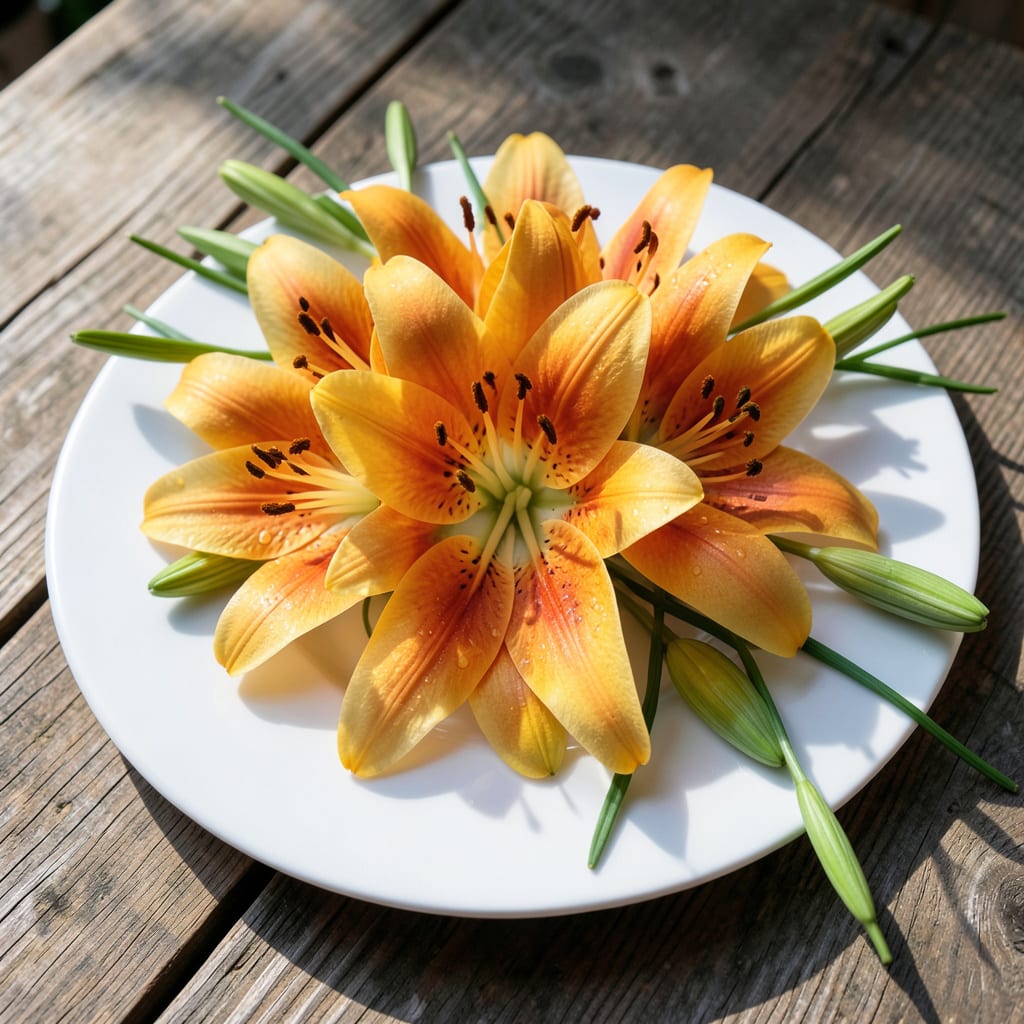
These dual-tone blooms stop me in my tracks every summer. I planted my first orange and yellow lilies three seasons ago, and now they’re the centerpiece of my pollinator garden.
They thrive in full sun with well-draining soil, and the color combination draws bees and butterflies like nothing else. You’ll get reliable blooms year after year with minimal effort.
📚 In This Guide
Here’s the method I use to cultivate these stunning dual-tone blooms that attract pollinators all season long.
Choose a spot with full sun to partial shade—these lilies thrive with at least 6 hours of direct sunlight daily. I’ve found they tolerate light afternoon shade, especially in hotter climates, which prevents petal scorch. Ensure the soil is well-draining to avoid bulb rot, a common issue in heavy clay.
Test drainage by digging a 12-inch-deep hole and filling it with water. If it drains within 1 hour, you’re good. If not, amend with compost or sand. The ideal pH for lilies is slightly acidic to neutral, around 6.0 to 7.0.
Plant bulbs in early spring or fall, spacing them 12 to 18 inches apart. Dig holes 4 to 6 inches deep—about three times the height of the bulb. Place the bulb with the pointed end facing upward; this ensures the stem grows toward the surface.
Backfill with soil and press down gently to remove air pockets. Water thoroughly after planting to settle the soil and encourage root growth. I always add a 2-inch layer of mulch to retain moisture and suppress weeds, but keep it away from the stem to prevent rot.
Keep the soil consistently moist but not waterlogged during the growing season. Water deeply once a week, providing about 1 inch of water per session. If rainfall is insufficient, supplement as needed. You’ll know it’s time to water when the top inch of soil feels dry.
Apply a balanced, slow-release fertilizer at planting and again in early spring as new growth emerges. I prefer a 10-10-10 formula, but avoid high-nitrogen fertilizers, which can promote leafy growth at the expense of flowers. Stop fertilizing once the lilies begin to bloom.
Orange and yellow lilies can grow 3 to 5 feet tall, so staking is often necessary to prevent stems from bending or breaking. Install stakes or a support ring early in the season, before the stems become top-heavy with buds. Tie stems loosely with soft twine or garden tape to avoid damage.
Deadhead spent blooms regularly to redirect energy into bulb growth and future flowers. However, leave the foliage intact until it yellows and dies back naturally in the fall. This process, called senescence, allows the bulb to store energy for next year’s growth.
In colder climates (USDA zones 3 to 5), apply a 4 to 6-inch layer of mulch over the planting area after the ground freezes to protect bulbs from freeze-thaw cycles. In milder zones, a lighter mulch layer suffices. Lilies are generally hardy but benefit from this extra insulation.
Every 3 to 4 years, divide clumps in early fall if they become overcrowded or flowering declines. Dig up the bulbs, separate the offsets, and replant the healthiest ones at the original depth. This rejuvenates the planting and ensures continued vibrant blooms.
Here’s what I’ve learned from years of growing these stunning blooms successfully.
Sunlight Strategy: The 6 hours of direct sunlight mentioned in Step 1 is non-negotiable for vibrant blooms. In hotter climates, light afternoon shade prevents petal scorch while still meeting the daily requirement. I’ve seen lilies struggle with less than this, so prioritize your sunniest spot.
Drainage Test Insight: That 1-hour drainage test in Step 1 is your best insurance against bulb rot. If water lingers longer, amend with compost or sand—heavy clay soil is the most common culprit for failed lily plantings. The 12-inch-deep hole gives you an accurate read on your soil’s behavior.
Planting Depth Precision: In Step 2, the 4 to 6 inches deep guideline isn’t arbitrary—it’s exactly three times the bulb height. Planting too shallow exposes bulbs to temperature fluctuations, while too deep delays sprouting. Always place the pointed end up; I’ve accidentally planted bulbs upside down before and wondered why they took forever to emerge.
Staking Timing: Don’t wait until stems are bending to install supports in Step 4. These lilies can reach 5 feet tall, and by the time you notice they’re top-heavy, it’s often too late to prevent breakage. Install stakes or rings early in the season when stems are still manageable.
Keep them in well-draining soil with full sun to partial shade. Water regularly but avoid soggy conditions. Deadhead spent blooms to encourage more flowers.
Plant bulbs in early spring or fall, about 4-6 inches deep. This gives roots time to establish before extreme temperatures hit.
Try daylilies, black-eyed Susans, or marigolds for similar vibrant colors and pollinator appeal. All thrive in comparable conditions.
Check for insufficient sunlight, poor soil nutrients, or overcrowded bulbs. Fertilize lightly in spring and ensure proper spacing for healthy growth.
