
Beautiful Plants For Your Interior
Beautiful Plants For Your Interior
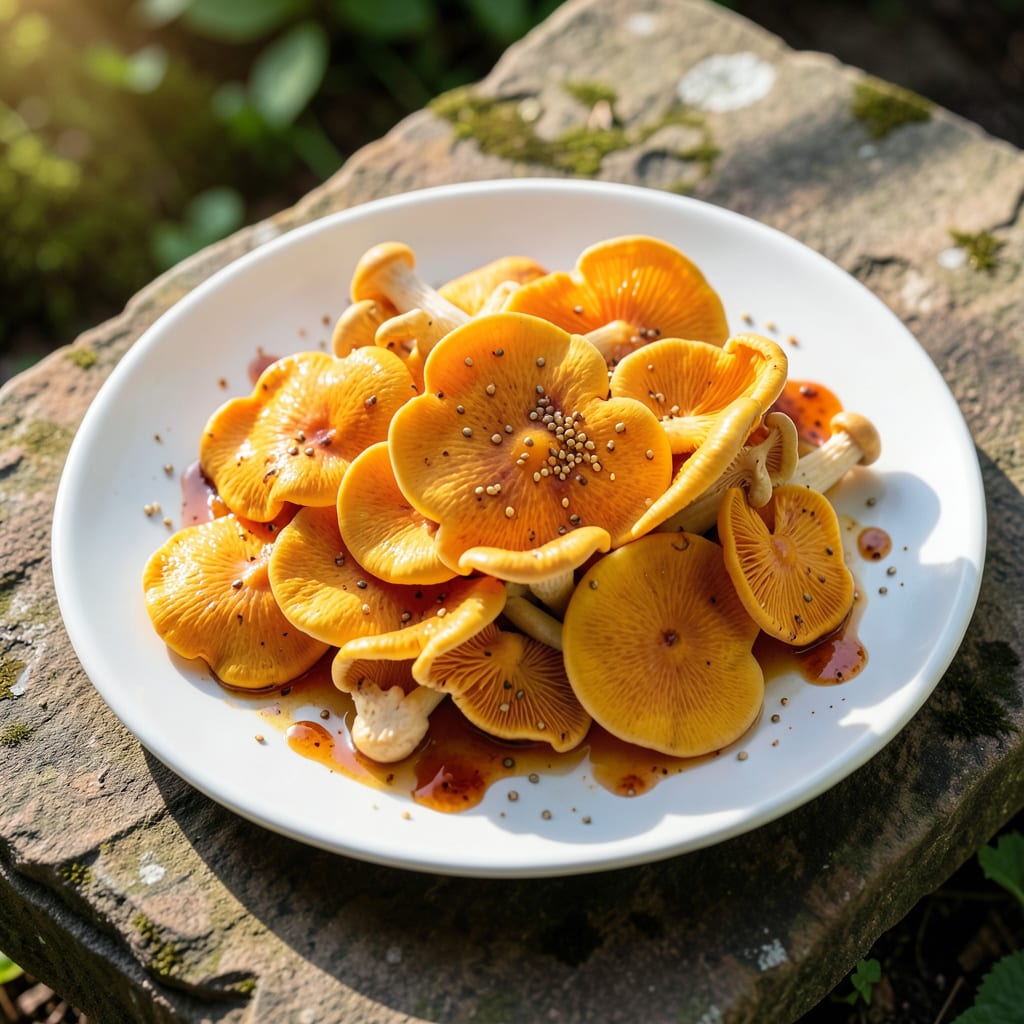
Spotting bright orange or yellow growth on your plants is alarming. I’ve seen this in my own garden, and it usually means a fungal issue that needs quick attention.
These colorful fungi often appear in damp, shaded areas with poor air circulation. They spread fast in warm, wet conditions, but the good news is they’re preventable with the right approach.
You’ll learn to identify the exact type you’re dealing with and stop it in its tracks. Most cases clear up within 2-3 weeks with consistent treatment.
Works for lawns, flower beds, and vegetable patches. The key is acting before it takes over your entire space.
The vibrant orange and yellow hues of certain fungi often signal specific environmental or biological triggers. Understanding these causes can help you prevent or address the issue effectively.
Fungi thrive in damp environments. Prolonged exposure to moisture—whether from rain, poor drainage, or high humidity—creates the perfect breeding ground. Organic materials like wood, soil, or decaying plant matter absorb water, accelerating fungal spores’ germination. If the area stays wet for more than 24-48 hours, spores can take root and spread rapidly.
Decaying leaves, bark, or compost piles provide nutrients that fungi feed on. Orange and yellow fungi, such as Fuligo septica (dog vomit slime mold) or Daldinia concentrica (carbon balls), often appear in nutrient-rich, decomposing organic matter. Regularly clearing leaf litter, fallen branches, or mulch can starve these organisms before they establish themselves.
Most fungi prefer temperatures between 60–80°F (15–27°C). During these conditions, metabolic activity in spores increases, speeding up growth. In warmer climates or during summer months, these fungi can emerge overnight, especially if combined with moisture. Shading areas or improving airflow can help mitigate this.
Disrupting soil—through gardening, construction, or foot traffic—can expose dormant spores to the surface, where they encounter light, air, and nutrients. This is particularly common with saprophytic fungi, which decompose dead organic matter. Minimizing unnecessary soil disturbance reduces the risk of activation.
Dealing with orange and yellow fungus in your garden or lawn doesn’t have to be overwhelming. Below are practical solutions tailored to common causes, along with prevention tips to keep your space fungus-free.
Fungus thrives in stale, humid air. Thin out dense plantings to allow airflow, and prune overgrown branches. For indoor plants, use a small fan to keep air moving. Prevention tip: Space plants according to their mature size to avoid crowding.
Reduce watering frequency and switch to early morning sessions so foliage dries quickly. Use drip irrigation or soaker hoses to water at the base, keeping leaves dry. Prevention tip: Check soil moisture with your finger—only water when the top inch is dry. 💡
Remove the top layer of soil where fungus is visible and replace it with fresh, sterile potting mix. For mild cases, apply a natural fungicide like neem oil or a baking soda solution (1 tbsp baking soda + 1 gallon water + a few drops of dish soap). Prevention tip: Rotate crops annually to prevent soil-borne fungus buildup.
Rake up fallen leaves, twigs, and dead plant matter where fungus can hide and spread. Dispose of infected debris in sealed bags—not compost—to avoid contamination. Prevention tip: Maintain a tidy garden year-round to minimize hiding spots for spores. ✨
For stubborn infections, apply a commercial fungicide labeled for your specific fungus type. Follow the instructions carefully, and wear protective gear. Prevention tip: Opt for organic fungicides first, and reserve chemical treatments for severe outbreaks.
Most orange and yellow fungi are saprophytic, feeding on decaying matter without harming live plants. However, some aggressive types can spread to healthy roots if left unchecked.
Under ideal conditions (warmth + moisture), visible growth can double in size within 24-48 hours. Act fast to contain it before it affects larger areas.
Not always—spores may remain in the soil. Combine removal with soil treatment (like neem oil) and improved drainage for best results.
No—composting won’t kill the spores and may reinfect your garden. Seal and dispose of infected debris in the trash instead.
