
Beautiful Plants For Your Interior
Beautiful Plants For Your Interior
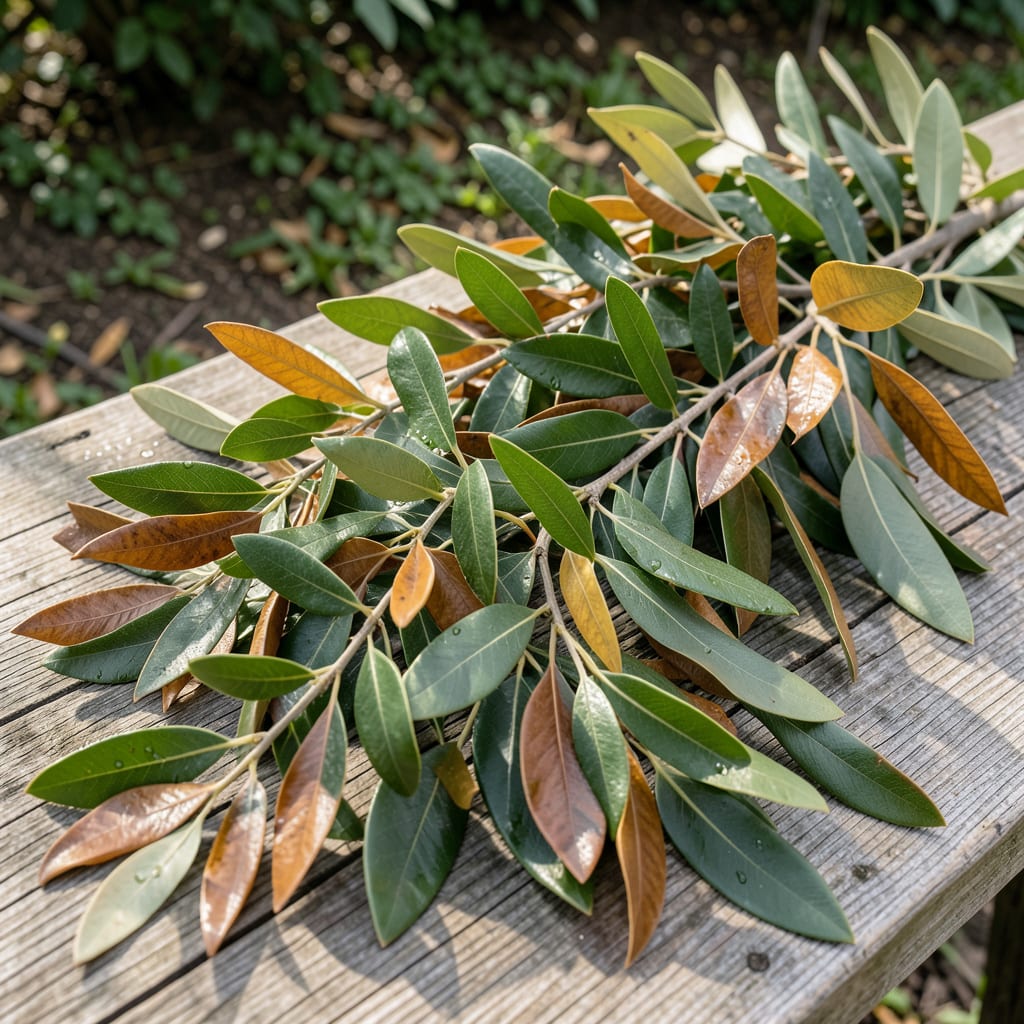
Brown leaves on an olive tree don’t mean it’s done for. I’ve saved several by catching the problem early and acting fast.
Usually, it’s water stress—either too much or too little. Overwatering drowns roots, while drought turns leaves crispy. Pests like scale or spider mites also leave telltale brown patches.
Check the soil first: if it’s soggy or bone-dry, adjust your watering. Look for webbing or sticky residue for pests. Often, a simple fix like better drainage or a spray of soapy water does the trick.
With the right care, those leaves can bounce back in 2-3 weeks. The key is diagnosing the cause before it spreads.
Brown leaves on your olive tree are a visible distress signal, and several factors could be triggering it. Identifying the exact cause is the first step to restoring your tree’s health. Here’s why it happens:
Olive trees thrive in mild climates (60–85°F). Exposure to temperatures below 15°F (-9°C) can cause frost damage, leading to brown, crispy leaves. Even sudden cold snaps in early winter or late spring can shock the tree, disrupting cellular function. Young trees are especially vulnerable. If frost is the culprit, you’ll often see damage concentrated on the outermost leaves first.
Overwatering suffocates roots, preventing oxygen uptake and leading to root rot, which manifests as yellowing leaves that turn brown. Conversely, underwatering causes dehydration, where leaves curl, dry out, and brown at the edges. Olive trees prefer well-draining soil—soggy or bone-dry conditions are equally harmful. A simple finger test (check soil moisture 2 inches deep) can help you adjust watering.
Pathogens like Peacock Spot (Spilocaea oleagina) or Verticillium wilt target olive trees, causing brown or black spots that spread across leaves. These thrive in humid, poorly ventilated environments. Bacterial leaf spot can also lead to browning, often with a water-soaked appearance. Prune infected branches immediately and apply a copper-based fungicide to halt the spread.
A lack of essential nutrients—particularly nitrogen, magnesium, or potassium—can cause leaves to yellow and then turn brown. Nitrogen deficiency often starts with older leaves, while magnesium deficiency appears as interveinal chlorosis (yellowing between veins) before browning. Conduct a soil test to pinpoint deficiencies and amend with a balanced fertilizer or organic matter like compost.
Pests like olive fruit fly, scale insects, or spider mites sap the tree’s nutrients, weakening it and leading to brown, dried-out leaves. Scale insects, for example, secrete a sticky honeydew that promotes sooty mold, further stressing the tree. Inspect the undersides of leaves and stems for signs of pests. Treat with neem oil or insecticidal soap for mild infestations, or introduce beneficial predators like ladybugs.
If your olive tree’s leaves are turning brown, don’t panic—most causes are reversible with the right care. Below are targeted solutions for the most common issues, along with prevention tips to keep your tree thriving.
Fix: Check the soil moisture 2 inches deep. If it’s bone-dry, water deeply until the root zone is saturated, then let the topsoil dry slightly between waterings. If soggy, stop watering immediately and improve drainage by amending the soil with sand or perlite. For potted trees, ensure the pot has drainage holes.
Prevention: Use a moisture meter or the finger test to gauge water needs. Olive trees prefer dry feet—water only when the top 1-2 inches of soil are dry. Mulch around the base to retain moisture without waterlogging. 💡
Fix: If frost damage is the culprit, prune off brown, dead leaves to encourage new growth. For heat stress, provide afternoon shade (especially for young trees) and ensure consistent watering. A sudden temperature drop below 20°F (-7°C) can be fatal—cover the tree with frost cloth if cold snaps are forecasted.
Prevention: Plant olive trees in a sheltered spot or near a south-facing wall to absorb heat. In colder climates, grow them in containers and move them indoors during winter. ✨
Fix: Test your soil (a home kit works) to identify deficiencies. Yellowing plus brown tips often signals nitrogen or potassium lack. Apply a balanced fertilizer (10-10-10) or an organic option like compost or fish emulsion. For iron deficiency (common in alkaline soils), use chelated iron or sulfur to lower pH.
Prevention: Feed your tree a slow-release fertilizer in early spring and mid-summer. Avoid over-fertilizing—olive trees are low-maintenance and thrive in poor soil. 🎯
Fix: For scale insects or spider mites, wipe leaves with a damp cloth and apply neem oil or insecticidal soap. For fungal issues like peacock spot, remove infected leaves and treat with copper fungicide. Prune to improve airflow and reduce humidity around the tree.
Prevention: Inspect leaves regularly (especially the undersides) for pests. Keep the area around the tree clean and free of debris to discourage fungal growth. 🌿
Water deeply every 1-2 weeks, letting the top 1-2 inches of soil dry out between waterings. Overwatering is more harmful than underwatering for these drought-tolerant trees.
Unfortunately, no. Once leaves turn brown, they won’t recover. Focus on fixing the underlying issue to prevent further damage and encourage new growth.
A balanced 10-10-10 fertilizer works well. Apply in early spring and mid-summer, but avoid over-fertilizing—olive trees thrive in poor soil.
Cover with frost cloth when temperatures drop below 20°F (-7°C). Plant in a sheltered spot or use containers to move indoors during winter.
