
Beautiful Plants For Your Interior
Beautiful Plants For Your Interior
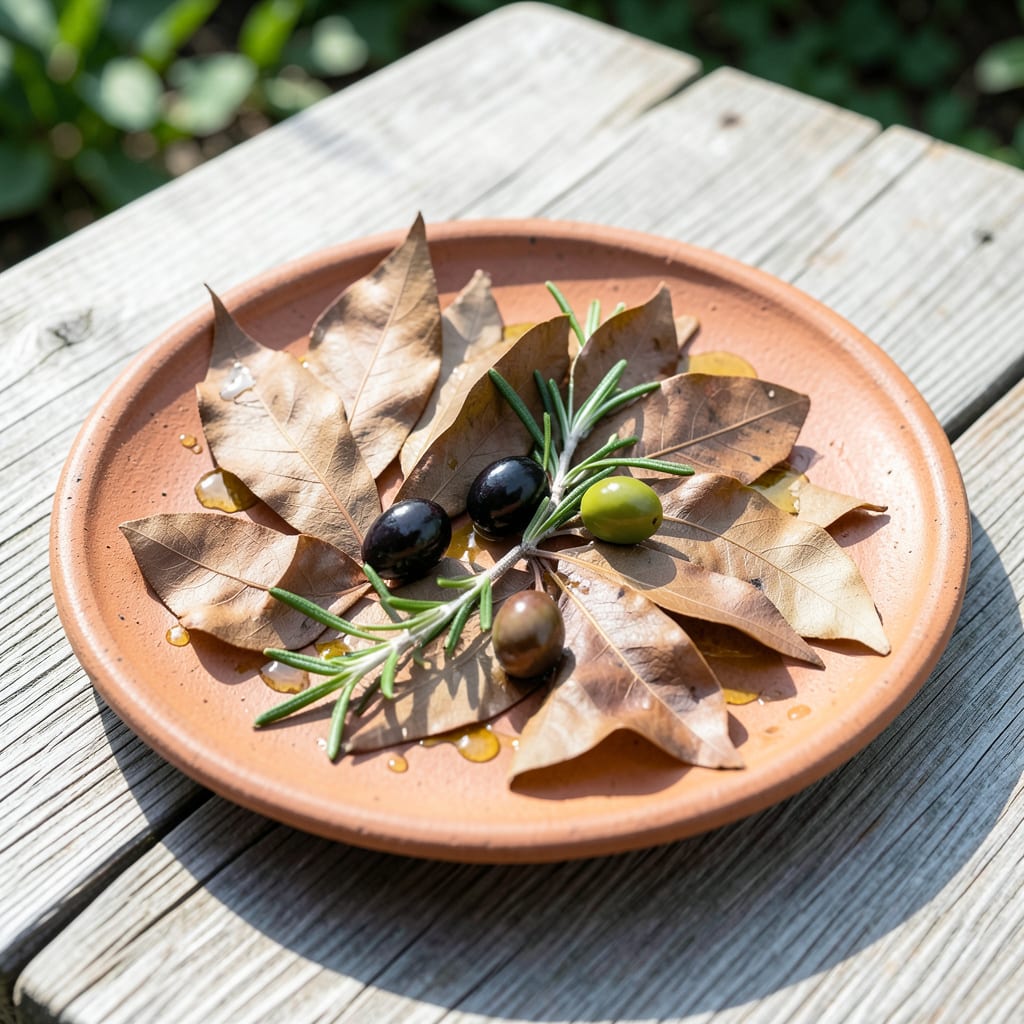
Brown leaves on your olive tree aren’t just unsightly—they’re a cry for help. I’ve seen this happen to even the most well-tended trees, and the culprit is usually one of four common issues.
Between you and me, most cases come down to water stress, nutrient deficiencies, pests, or disease. The good news? Each has a foolproof organic fix that can bring your tree back to its silvery-green best.
What you’ll notice first is the crisp, dry texture of the leaves—often starting at the tips. Catching it early means the difference between a full recovery and a tree that struggles for seasons.
Works for potted trees, orchard specimens, and even young saplings. Here’s how to diagnose and treat it.
Olive trees develop brown leaves due to several environmental, nutritional, or pathological stressors. Below are the most common causes, explained with actionable insights.
Olive trees thrive in 60–85°F (15–30°C). Exposure to frost (below 15°F/-9°C) or heatwaves (above 100°F/38°C) disrupts cellular function, leading to leaf scorching. Cold snaps cause water uptake failure, while heat accelerates transpiration, dehydrating leaves. Tip: Use frost cloths in winter and shade nets during peak summer.
Overwatering suffocates roots, promoting Phytophthora root rot, which blocks nutrient uptake. Underwatering triggers drought stress, causing leaves to crisp and brown from the edges inward. Olive trees need deep, infrequent watering (1–2 times weekly in dry climates) to encourage deep root growth. Check soil moisture 2 inches down—it should be slightly dry before rewatering.
A lack of nitrogen (pale leaves turning brown), potassium (brown spots on older leaves), or magnesium (interveinal browning) disrupts chlorophyll production. Olive trees in poor or sandy soils often show these symptoms. Action: Apply a balanced organic fertilizer (NPK 10-10-10) or compost tea every 4–6 weeks during the growing season.
Olive fruit fly, scale insects, or spider mites sap nutrients from leaves, causing yellowing that progresses to brown. Inspect leaf undersides for sticky residue (honeydew) or webbing. Solution: Spray neem oil or introduce beneficial insects like ladybugs.
Peacock spot (Spilocaea oleagina) and anthracnose create dark brown lesions with yellow halos. These thrive in humid, poorly ventilated conditions. Prevent: Prune for airflow, avoid overhead watering, and apply copper-based fungicides at the first sign of spots.
Here’s how to tackle each cause of brown leaves and restore your olive tree’s health:
Fix: Let the soil dry out completely before watering again. For potted trees, ensure the container has drainage holes. If the roots are waterlogged, repot the tree in fresh, well-draining soil.
Prevention: Water only when the top 2 inches of soil feel dry. Use a moisture meter to avoid guesswork.
Fix: Give your tree a deep watering, ensuring moisture reaches the root zone. Mulch around the base to retain moisture and protect roots from extreme heat.
Prevention: Water deeply but infrequently, especially during dry spells. Shade young trees during heatwaves.
Fix: Spray leaves with neem oil or insecticidal soap to control pests like spider mites or scale. Prune heavily infested branches to stop the spread.
Prevention: Inspect leaves regularly for signs of pests. Encourage beneficial insects like ladybugs by planting companion flowers nearby.
Fix: Remove and destroy affected leaves and branches. Apply a copper-based fungicide to prevent further spread. Improve air circulation by thinning out dense foliage.
Prevention: Avoid overhead watering to keep leaves dry. Sterilize pruning tools between cuts to prevent contamination.
Fix: Test your soil and amend it with organic matter or a balanced fertilizer. For iron deficiency (common in alkaline soils), apply chelated iron or sulfur to lower pH.
Prevention: Feed your tree with compost or a slow-release fertilizer in early spring and late summer.
💡 Pro Tip: Always sterilize your tools and pots when repotting or pruning to avoid spreading diseases or pests to healthy plants!
Water deeply 1–2 times weekly in dry climates, allowing soil to dry 2 inches down between waterings. Overwatering causes root rot, while underwatering leads to crisp, brown edges.
No, once leaves turn brown, they won’t recover. Focus on fixing the underlying issue to prevent new leaves from browning. Remove damaged foliage to redirect the tree’s energy.
Use a balanced organic fertilizer (NPK 10-10-10) or compost tea every 4–6 weeks during growing season. Avoid high-nitrogen formulas, which can promote leafy growth over fruit.
Check leaf undersides for sticky residue (honeydew) or webbing. Common culprits include scale insects and spider mites, which sap nutrients and cause yellowing that turns brown.
