
Beautiful Plants For Your Interior
Beautiful Plants For Your Interior
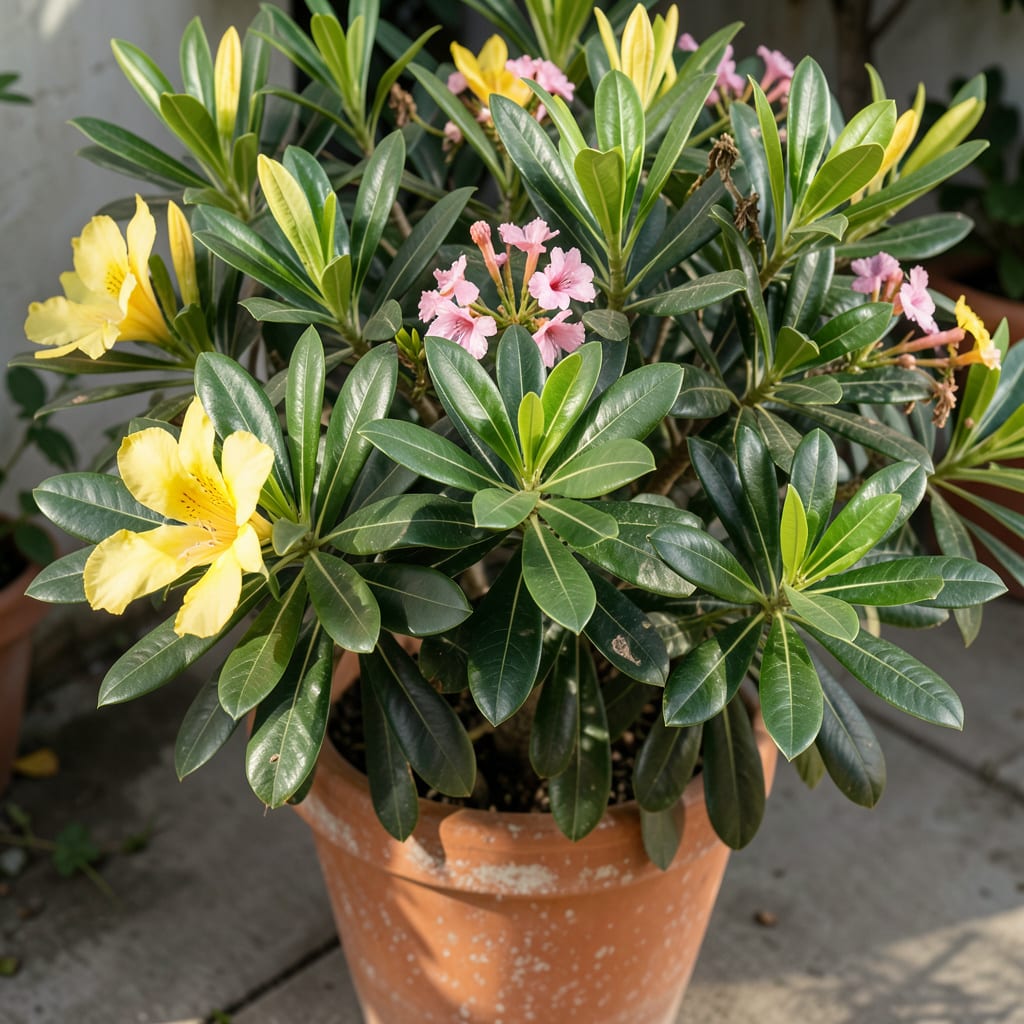
Yellow leaves on your oleander aren’t just unsightly—they’re a distress signal. I’ve seen this happen to even the most neglected plants, and the fix is often simpler than you think.
Most cases boil down to 3 things: too much water, not enough nutrients, or soil that’s too alkaline. The good news? You can diagnose the exact issue with a quick soil test and a close look at your watering habits.
Once you pinpoint the problem, solutions range from adjusting your watering schedule to amending the soil. Your oleander can bounce back with vibrant green leaves in just a few weeks.
No fancy tools required—just observation and a little targeted care. Here’s how to get started.
Oleander plants develop yellow leaves due to several stress factors, often tied to environmental or care-related issues. Here’s a breakdown of the most common causes:
Yellowing leaves, or chlorosis, frequently signal a lack of essential nutrients like iron, magnesium, or nitrogen. Oleanders thrive in slightly acidic to neutral soil (pH 6.0–7.5). When soil pH rises above 7.5, iron becomes less soluble, preventing the plant from absorbing it. This leads to interveinal chlorosis—yellow leaves with green veins. A soil test can confirm deficiencies, and chelated iron or Epsom salt (for magnesium) can restore balance.
Oleanders are drought-tolerant but hate soggy roots. Overwatering or poorly draining soil suffocates roots, reducing oxygen uptake and causing yellowing. Root rot (often from Phytophthora fungus) may follow, turning leaves yellow and wilting. Ensure pots have drainage holes, and water only when the top 1–2 inches of soil are dry.
While oleanders tolerate dry spells, prolonged drought or extreme heat can trigger leaf yellowing and drop. Leaves may turn crispy or curl inward. Deep, infrequent watering (1–2 times weekly in hot climates) helps maintain moisture without waterlogging.
Sap-sucking pests like spider mites, aphids, or scale drain nutrients from leaves, causing yellow stippling or mottling. Check leaf undersides for webbing (mites) or sticky residue (aphids). Treat with neem oil or insecticidal soap to restore plant health.
Oleanders need full sun (6+ hours daily). Too little light weakens the plant, leading to pale, yellow leaves. Conversely, sudden exposure to intense sunlight (e.g., after repotting) can scorch leaves, turning them yellow or brown. Acclimate plants gradually to new light conditions.
Yellow leaves on your oleander can often be fixed by addressing the root cause. Below are targeted solutions for common issues, along with prevention tips to keep your plant thriving.
Fix: Let the soil dry out between waterings. If the pot lacks drainage holes, repot your oleander in a container with proper drainage. For in-ground plants, amend heavy clay soil with sand or perlite to improve drainage.
Prevention tip: 💡 Stick your finger 2 inches into the soil—if it feels damp, hold off on watering.
Fix: Test your soil’s pH (oleanders prefer 6.0–7.5). If it’s too alkaline or acidic, adjust with sulfur or lime. For nitrogen, phosphorus, or iron deficiencies, use a balanced fertilizer or iron chelate supplement.
Prevention tip: 🌿 Feed your oleander with a slow-release fertilizer every 2–3 months during the growing season.
Fix: Move potted oleanders to a sunnier spot (6+ hours of direct light daily). For garden plants, prune nearby trees or relocate if shade is excessive.
Prevention tip: ✨ Rotate potted plants occasionally to ensure even light distribution.
Fix: Spray leaves with neem oil or insecticidal soap to combat aphids, scale, or spider mites. For severe cases, use horticultural oil or systemic insecticides.
Prevention tip: 🎯 Inspect leaves weekly and remove pests by hand if spotted early.
Fix: Shield oleanders from cold drafts or extreme heat. If frost is expected, cover plants with frost cloth or move pots indoors.
Prevention tip: 🌡️ Acclimate indoor oleanders gradually when moving them outside to avoid shock.
With these adjustments, your oleander should regain its vibrant green leaves in no time!
Water deeply 1-2 times per week in hot climates, but always let the top 1-2 inches of soil dry out first. Overwatering is a common cause of yellowing, so check soil moisture before adding more.
Oleanders thrive in slightly acidic to neutral soil, ideally between pH 6.0–7.5. If your soil is too alkaline, iron becomes unavailable, causing yellow leaves with green veins. Test your soil and amend as needed.
Unfortunately, once leaves turn yellow, they won’t regain their green color. However, fixing the underlying issue (like watering or nutrients) will help new growth stay healthy and vibrant.
Inspect leaf undersides for pests like spider mites or aphids. Treat with neem oil or insecticidal soap, repeating every 7-10 days until the infestation clears. Early action prevents further damage.
