
Beautiful Plants For Your Interior
Beautiful Plants For Your Interior
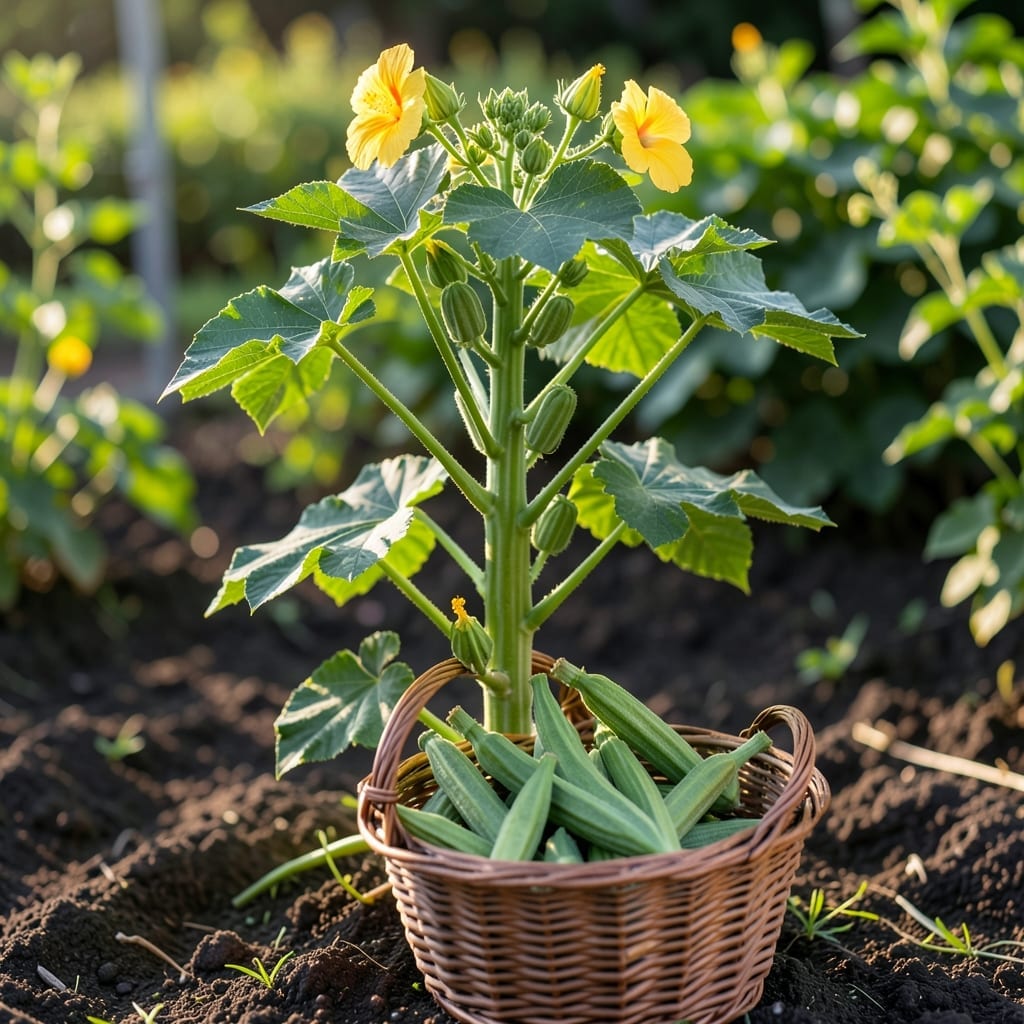
Okra thrives in heat, making it a summer garden superstar—but timing is everything. Plant too early, and cold soil stunts growth; wait too long, and frost cuts your harvest short.
I learned this the hard way my first season with 🌿 Okra. The difference between a struggling plant and a prolific one often comes down to just a few weeks.
Whether you’re in zone 6 or further south, understanding your local climate is the key to success. Warm soil and consistent heat are non-negotiable for this heat-loving crop.
Discover how to nail the planting window and extend your Okra season for a bountiful harvest from July through September.

Okra is a heat-loving vegetable that thrives when temperatures soar. I always wait until soil temperatures reach at least 70°F before planting seeds. This typically means 2-3 weeks after the last frost date in your area.
In most regions, this falls between late spring and early summer. For gardeners in USDA zones 5-11, timing varies. Northern growers should start seeds indoors, while southern gardeners can direct sow earlier.
| Requirement | Specification |
|---|---|
| Soil Temperature | 70-80°F |
| Planting Time | 2-3 weeks after last frost |
| USDA Zones | 5-11 |
| Sun Exposure | Full sun (6+ hours) |
| Soil Type | Well-draining, rich in organic matter |
Okra seeds won’t germinate in cold soil, and young plants are extremely frost-sensitive. I’ve learned this the hard way by planting too early and watching seeds rot in chilly spring soil.
For best results, prepare your garden beds by amending with compost or well-rotted manure. This improves drainage and provides nutrients for fast germination and strong growth.
In warmer climates like USDA zone 9, you can plant okra as early as March. But in cooler zones like zone 5, wait until May or even early June to be safe.
The plant’s heat tolerance is remarkable. I’ve seen okra thrive in 100°F temperatures when other vegetables wilt. This makes it perfect for summer gardens in hot regions.
If you’re eager to start early, use black plastic mulch to warm the soil. This can give you a 2-week head start in cooler climates without risking seed rot.
Remember that okra grows tall quickly, often reaching 5-6 feet. Plant seeds 12-18 inches apart in rows 3 feet apart to give them room to spread.
For gardeners in short-season areas, choose fast-maturing varieties like ‘Clemson Spineless’ which can produce pods in as little as 50-60 days. This helps ensure a harvest before fall frost arrives.
With proper timing and care, your okra plants will reward you with abundant harvests all summer long 🌱
Okra is a heat-loving plant that thrives in summer conditions. From seed to harvest, it follows a predictable timeline if given the right warmth and care. I’ve found that consistent heat speeds up growth significantly.
Under ideal conditions, okra seeds germinate in 7-14 days. Once sprouted, the plants grow rapidly, reaching flowering stage in about 50-60 days. This is when the real magic begins.
To extend your okra season, I recommend succession planting. Sow new seeds every 2-3 weeks for a continuous harvest. This works well in long summer regions.
If early frost threatens, use row covers or cloches to protect plants. Okra can tolerate light frost but prefers temperatures above 55°F for optimal growth.
For the best results, ensure your okra gets full sun and well-draining soil. I’ve seen plants reach 6 feet tall in just a few months with proper care.
Harvest okra pods when they’re 2-4 inches long for the best tenderness. Check plants daily during peak production, as pods grow quickly.
☀️