
Beautiful Plants For Your Interior
Beautiful Plants For Your Interior
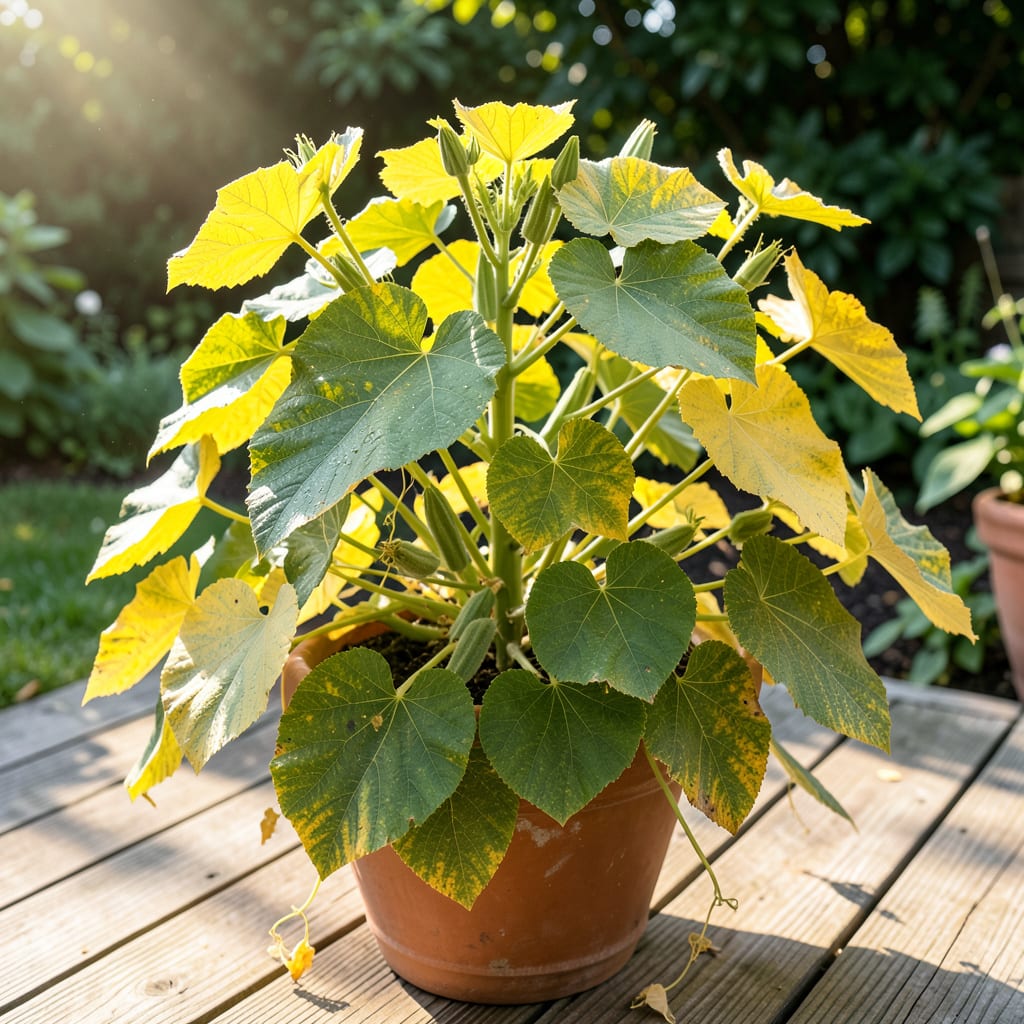
Yellow okra leaves aren’t just unsightly—they’re your plant’s way of waving a white flag. I’ve seen this happen mid-summer when everything seemed fine, then suddenly the leaves start fading like old jeans.
Here’s the thing—it’s rarely just one culprit. Could be nitrogen running low, roots drowning from overwatering, or sneaky pests setting up shop. The pattern of yellowing tells you which problem you’re dealing with.
With a few simple checks and adjustments, you can nurse those plants back to their vibrant green. Most bounce back within 2-3 weeks once you hit the right fix.
Works for container or in-ground okra, whether you’re growing one plant or a whole row. Let’s diagnose and revive.
Okra leaves turn yellow due to several underlying issues, often tied to environmental stress or care gaps. Here’s a breakdown of the most common causes:
Yellowing leaves (chlorosis) often signal a lack of essential nutrients. Nitrogen deficiency typically causes uniform yellowing of older leaves, while magnesium or iron shortages lead to interveinal chlorosis (yellowing between veins). A soil test can confirm imbalances, and targeted fertilizers (e.g., Epsom salt for magnesium) can correct them.
Too much water suffocates roots, reducing oxygen uptake and nutrient absorption. Okra thrives in well-draining soil; soggy conditions promote root rot, which manifests as yellow, wilting leaves. Ensure pots have drainage holes, and water only when the top inch of soil is dry.
Okra loves heat but can scorch in extreme temperatures. Heat stress (above 95°F) or sudden cold snaps disrupt chlorophyll production, causing yellowing. Mulch helps regulate soil temperature, and shade cloth can protect plants during heatwaves.
Sap-sucking pests like aphids, whiteflies, or spider mites drain plant nutrients, leading to yellow, stunted leaves. Check leaf undersides for tiny insects or webbing. Treat with neem oil or insecticidal soap at first signs of infestation.
Addressing yellowing okra leaves starts with identifying the root cause. Below are targeted solutions for the most common issues, along with prevention tips to keep your plants thriving.
Nitrogen: Apply a balanced fertilizer (e.g., 10-10-10) or add compost to the soil. For quick results, use a foliar spray with diluted liquid fertilizer.
Magnesium: Sprinkle Epsom salt (1 tablespoon per gallon of water) around the base of the plant. Water thoroughly to help absorption.
Iron: Treat with chelated iron or lower the soil pH (ideal: 6.0–6.5) using sulfur or peat moss.
Prevention: Test soil annually and amend with organic matter before planting. Rotate crops to avoid depleting nutrients. 💡
Let the soil dry slightly between waterings. Ensure pots have drainage holes, or improve garden soil with sand or perlite.
Prevention: Use a moisture meter to monitor soil. Water deeply but less frequently (1–2 times per week, depending on climate).
For aphids or whiteflies, spray plants with neem oil or insecticidal soap (1 tbsp per quart of water). Remove heavily infested leaves by hand.
Prevention: Encourage beneficial insects like ladybugs. Inspect leaves weekly for early signs of pests. ✨
If leaves yellow due to extreme heat or cold, provide shade cloth or row covers. Mulch around plants to regulate soil temperature.
Prevention: Plant okra in well-draining, warm soil (75–90°F) and avoid late-season planting in cooler climates.
Remove infected leaves and avoid overhead watering. Apply a copper-based fungicide for fungal issues or a bacterial spray for bacterial leaf spot.
Prevention: Space plants 12–18 inches apart for airflow. Sterilize tools and rotate crops yearly. 🎯
Yes, trim yellow leaves at the stem with clean shears. This prevents nutrient drain and reduces disease spread.
Too much fertilizer, especially nitrogen, can burn roots and create yellowing. Always follow package instructions.
With proper treatment, new growth should appear in 7-14 days. Severely damaged leaves won’t recover but new ones will.
Water deeply 1-2 times weekly, allowing soil to dry slightly between. Use your finger to check moisture 1 inch down.
