
Beautiful Plants For Your Interior
Beautiful Plants For Your Interior
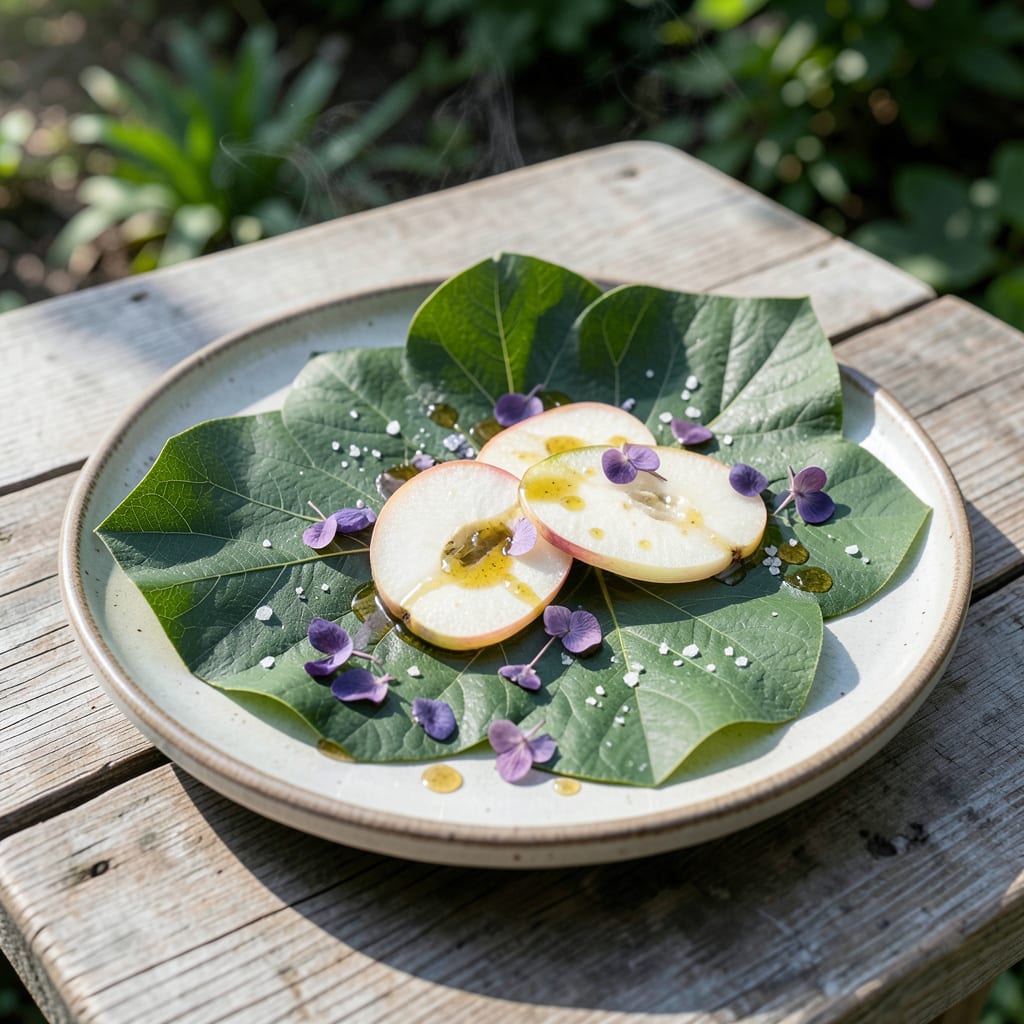
I fell for northern catalpa the first time I saw its heart-shaped leaves unfurl in spring. They start as soft green fists, then stretch into massive, almost tropical-looking foliage that can reach 12 inches long.
By midsummer, the leaves form a dense canopy that hums with bees and butterflies. The key to keeping them lush is consistent moisture during the first growing season—after that, they’re surprisingly low-maintenance.
📚 In This Guide
This method ensures vibrant, heart-shaped leaves that create a stunning canopy in any landscape.
Choose a location with full sun to partial shade—catalpas thrive in at least 6-8 hours of direct sunlight daily. The soil should be well-draining, as these trees hate waterlogged roots. I test drainage by digging a 12-inch hole and filling it with water; if it drains within 2-3 hours, you’re good.
Avoid low-lying areas where cold air settles, as late frosts can damage emerging foliage. Northern catalpas prefer slightly acidic to neutral soil (pH 6.0-7.5). If your soil is heavy clay, amend it with organic matter like compost before planting.
Dig a hole twice as wide as the root ball but no deeper. Planting too deep suffocates the trunk and weakens the tree. Place the tree in the hole, ensuring the root flare (where roots meet trunk) sits 1-2 inches above ground level.
Backfill with native soil, tampling gently to remove air pockets. Water deeply with 10-15 gallons to settle the soil. I always stake young trees for the first year to prevent wind rock, which can tear new roots. Use soft tree ties to avoid girdling the trunk.
For the first 2-3 weeks, water deeply 2-3 times per week to encourage root establishment. After that, reduce to once weekly unless rainfall is less than 1 inch. Catalpas are drought-tolerant once established but need consistent moisture during their first growing season.
Check soil moisture by sticking your finger 2 inches deep—if it feels dry, it’s time to water. Avoid wetting the leaves, as this can promote fungal diseases. A 2-3 inch layer of mulch helps retain moisture and regulate soil temperature.
Apply a balanced 10-10-10 fertilizer in early spring, just as new leaves begin to emerge. Use 1 pound per inch of trunk diameter, spreading it evenly under the canopy. Catalpas are generally pest-resistant, but watch for catalpa worms (which actually benefit pollinators) and aphids.
If aphids appear, a strong blast of water often dislodges them. For severe infestations, use horticultural oil, but avoid treating during drought stress or extreme heat. The tree’s large, heart-shaped leaves will tell you if something’s wrong—yellowing often signals overwatering, while brown edges indicate underwatering.
Here’s what I’ve learned through trial and error to ensure vibrant, healthy foliage.
The Sunlight Sweet Spot: Catalpas need that 6-8 hours of direct sunlight daily, but I’ve found they tolerate partial shade better than full shade. If your site gets morning sun and afternoon shade, that works beautifully. Just avoid deep shade—it leads to sparse, pale leaves.
Drainage Test Hack: That 12-inch hole drainage test in Step 1 is non-negotiable. If water sits longer than 2-3 hours, your soil needs amending. I add coarse sand or compost to heavy clay to improve drainage before planting.
Planting Depth Pitfall: In Step 2, resist the urge to plant deep. The root flare must sit 1-2 inches above ground level—burying it causes trunk rot. I’ve seen trees struggle for years because of this one mistake. Use a level across the hole to check your depth.
Watering Wisdom: During those first 2-3 weeks, deep watering 2-3 times per week is critical. I set a reminder to check soil moisture 2 inches down—if it’s dry, it’s time to water. After establishment, the tree’s drought tolerance kicks in beautifully.
Yellowing leaves often signal overwatering, poor drainage, or nutrient deficiencies. Check soil moisture and ensure proper drainage. If the issue persists, test soil pH (6.0–7.5 is ideal) and fertilize as needed.
Northern catalpa trees are deciduous, so their leaves typically drop in late fall (October–November). In colder climates, frost accelerates leaf shed. Expect regrowth the following spring.
Leaves are not edible for humans. While not highly toxic, they can cause mild stomach upset if ingested. Keep pets away, as the tree’s seeds and pods may pose a greater risk.
Brown spots may indicate fungal diseases like leaf spot. Prune affected areas, improve air circulation, and apply a fungicide if severe. Avoid overhead watering to prevent further spread.
Young catalpas can thrive in large containers (20+ gallons) but will need frequent watering and root pruning. For long-term growth, transplant to the ground, as mature trees (40–60 ft tall) outgrow pots.
