
Beautiful Plants For Your Interior
Beautiful Plants For Your Interior
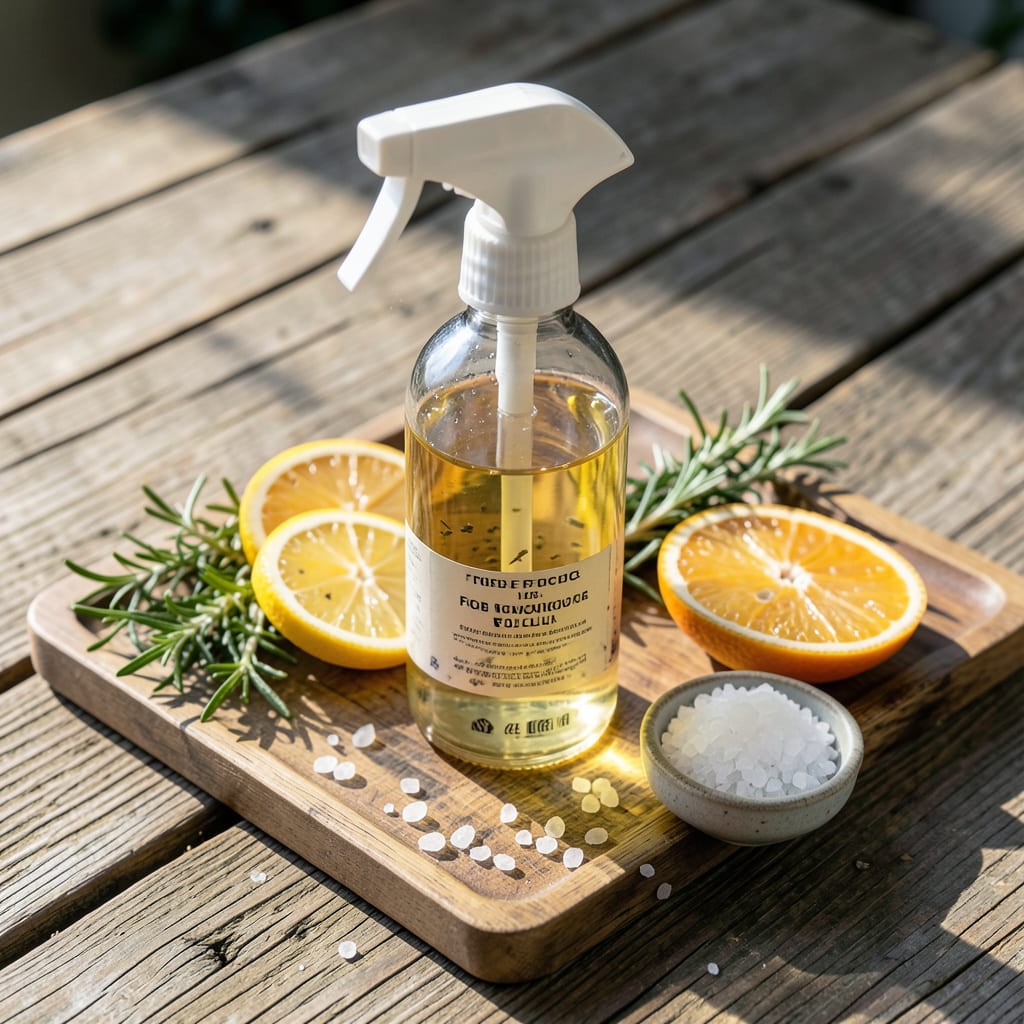
White fuzzy growth on leaves means trouble, but chemical solutions often create more problems. I’ve tested dozens of natural approaches to find what actually works without harming plants or pollinators.
The best non-toxic fungicides use everyday ingredients you likely have at home. These methods stop mold in its tracks while keeping your garden ecosystem intact. No harsh chemicals, no residue, just effective protection.
Application is simple: spray at first signs of mold, focus on undersides of leaves, and reapply after rain. The key is catching it early before it spreads to neighboring plants.
Prevention is easier than cure. Proper spacing, morning watering, and good air circulation will save you from most mold issues before they start.
Mold thrives in environments where moisture, organic materials, and poor ventilation converge. Understanding these root causes helps you tackle the problem effectively and choose the right non-toxic solutions.
Mold spores, which are always present in the air, only grow when they land on damp surfaces. Common sources of excess moisture include leaks in roofs, pipes, or walls, as well as high humidity levels (above 60%). Condensation on windows, damp basements, and poorly sealed bathrooms create ideal breeding grounds for mold. Without controlling moisture, even the best fungicides will only provide temporary relief.
Mold feeds on organic materials like wood, drywall, paper, fabric, and even dust. Homes with plenty of these materials—such as cardboard boxes, wooden furniture, or carpeting—are more prone to infestations. The spores break down these substances for nutrients, which is why mold often appears as dark stains or fuzzy patches on walls, ceilings, or stored items.
Stagnant air traps moisture and prevents surfaces from drying out. Areas with limited airflow, such as attics, crawl spaces, or behind furniture, are hotspots for mold growth. Proper ventilation, including exhaust fans in kitchens and bathrooms, helps disperse humidity and reduces the likelihood of spores settling and multiplying.
While mold can grow in a wide range of temperatures, it proliferates fastest in warm conditions between 77°F and 86°F (25°C–30°C). This is why mold is often found in poorly ventilated spaces like laundry rooms or behind appliances that generate heat. Keeping indoor temperatures moderate and consistent can slow its spread.
Mold growth can be stubborn, but non-toxic solutions can effectively tackle it without harming your health or the environment. Below are practical, cause-specific fixes paired with prevention tips to keep mold from returning.
Mold thrives in damp, poorly ventilated spaces like bathrooms and basements. Fix: Use a dehumidifier to keep humidity below 50%. Open windows daily, and run exhaust fans during showers or cooking. For existing mold, spray a mix of white vinegar and water (1:1 ratio) on the affected area, let it sit for an hour, then scrub and dry.
💡 Pro tip: Place moisture absorbers like silica gel or charcoal bags in closets and corners to prevent buildup.
Mold feeds on organic materials like wood, paper, or drywall. Fix: Scrub surfaces with a baking soda paste (1 tsp baking soda + 2 cups water) or hydrogen peroxide (3%) sprayed directly onto the mold. For porous materials like ceiling tiles, removal may be necessary if the mold is extensive.
💡 Pro tip: Store items in plastic bins instead of cardboard to eliminate food sources for mold.
Persistent leaks or past water damage create ideal mold conditions. Fix: First, repair the leak source (e.g., pipes, roofs, or windows). Then, thoroughly dry the area using fans or a wet/dry vacuum. Apply tea tree oil (1 tsp per cup of water) as a natural fungicide—its antifungal properties kill mold spores without harsh chemicals.
💡 Pro tip: Inspect pipes and roofs regularly, especially after heavy rain or snowmelt.
For long-term protection, spray a vinegar-water solution (1:3 ratio) or grapefruit seed extract (10 drops per cup of water) on surfaces prone to mold, such as shower curtains or window sills. Reapply every 1-2 weeks.
✨ Bonus: Add a few drops of essential oils like clove or cinnamon for extra antifungal power and a fresh scent.
For active mold, reapply every 2-3 days until it’s gone. For prevention, spray vulnerable areas every 1-2 weeks. Always reapply after rain or heavy humidity.
Vinegar kills about 82% of mold species, including common household types. For stubborn cases, alternate with hydrogen peroxide or tea tree oil for broader coverage.
Hydrogen peroxide (3% solution) works faster for visible mold. Baking soda is gentler and better for porous surfaces like drywall. Both are safe and effective.
Mold returns if moisture or organic matter remains. Fix leaks, improve airflow, and remove damaged materials. Prevention is key—address the root cause first.
