
Beautiful Plants For Your Interior
Beautiful Plants For Your Interior
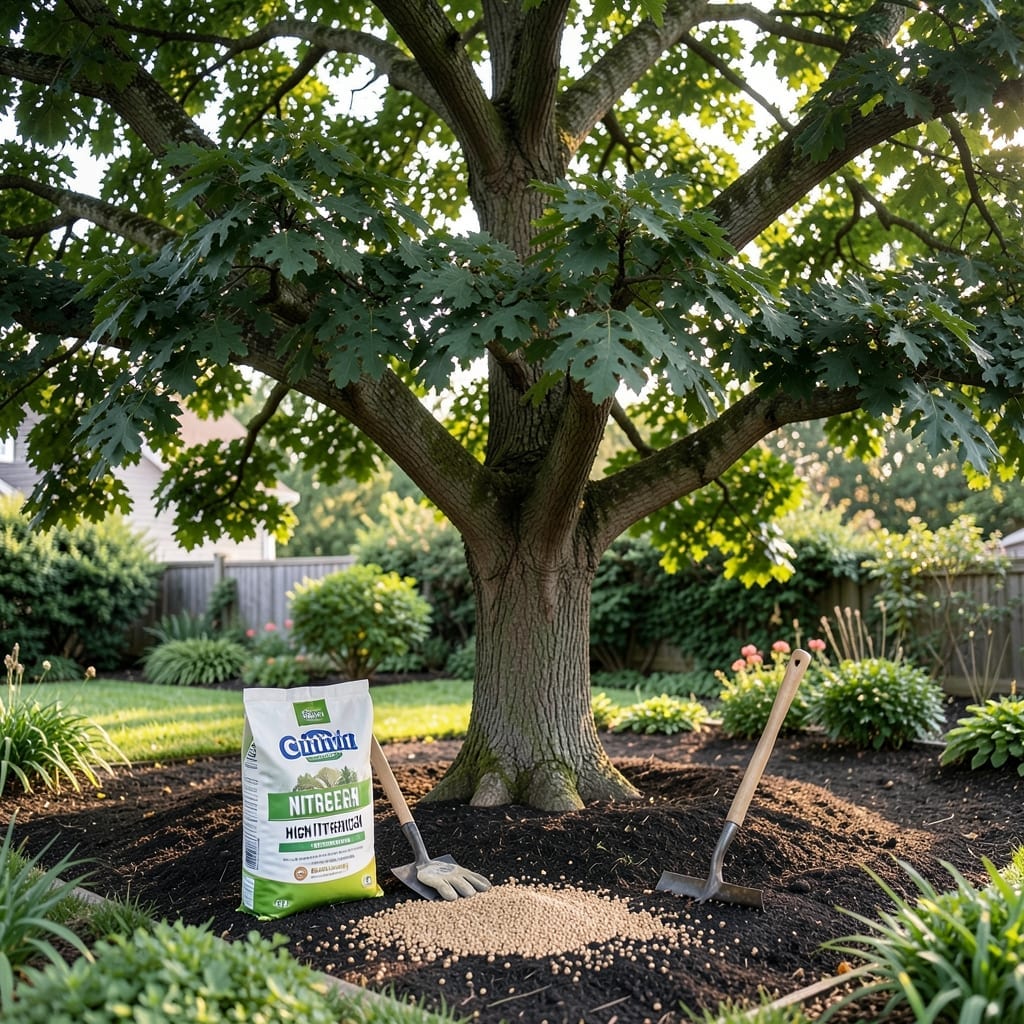
That 🌳 Tree in your yard isn’t just standing tall—it’s silently begging for nitrogen. This essential nutrient is the difference between a thriving giant and a struggling sapling with yellow leaves.
Without enough nitrogen, your trees can’t produce the lush, green foliage that makes them the centerpiece of your landscape. It’s the fuel that drives their growth and keeps them healthy.
But here’s the catch: too much nitrogen can be just as harmful as too little. Finding the right balance is the key to vibrant, long-lasting trees.
Let me guide you through understanding nitrogen’s role, spotting deficiency signs, and applying it effectively. Your trees will thank you for it.
I’ve seen firsthand how nitrogen transforms trees from struggling to thriving. This essential nutrient is the building block of chlorophyll, which gives leaves their vibrant green color and drives photosynthesis.
Nitrogen fuels growth by promoting leaf development and strong branch structures. Without it, trees can’t produce the proteins and enzymes they need to grow tall and healthy. 🌳
| Symptom | Description |
|---|---|
| Yellow Leaves | Older leaves turn pale yellow first |
| Stunted Growth | Shorter branches and smaller leaves |
| Weak Stems | Thin, spindly branches that break easily |
| Early Leaf Drop | Leaves fall prematurely in growing season |
When I notice yellowing leaves, especially on older growth, I immediately suspect a nitrogen shortage. This discoloration often starts at the tips and edges before spreading inward.
Slow growth is another red flag. If your tree isn’t adding normal annual growth, it might be starving for nitrogen. Young trees are particularly vulnerable to stunted development without proper nitrogen levels.
I’ve learned that weak stems and sparse foliage often indicate chronic nitrogen deficiency. These trees struggle to support new growth and become more susceptible to pests and diseases.
In severe cases, you might see early leaf drop or dieback of branches. This happens because the tree prioritizes survival over growth, shedding leaves to conserve resources.
The good news is that nitrogen deficiency is often easy to fix. I recommend starting with a soil test to confirm the issue before applying any fertilizers. This ensures you’re addressing the real problem. 🌱
Once confirmed, you can amend the soil with organic matter like compost or use a balanced fertilizer. Remember that too much nitrogen can be just as harmful as too little, so always follow application guidelines.
In my experience, young trees and fast-growing species like maples and birches show nitrogen deficiency symptoms most quickly. They have higher nitrogen demands than slower-growing varieties like oaks.
Monitor your trees regularly for these visual clues. Catching a nitrogen deficiency early means you can correct it before it affects your tree’s long-term health. 🌿
When feeding your trees, choosing between organic nitrogen and synthetic fertilizers can feel overwhelming. I’ve found both have their place, but the right choice depends on your goals and soil health. Organic options like compost and manure improve soil structure over time.
On the other hand, synthetic nitrogen provides a quick boost, perfect for trees showing deficiency symptoms. However, it can leach into waterways if overused. That’s why I always recommend testing your soil first to pick the best approach.
For newly planted trees, I lean toward organic sources like fish emulsion or worm castings. They’re gentler and support long-term growth. Established trees, however, often respond well to a balanced synthetic fertilizer for a quick fix.
If you’re unsure, start with a soil test to identify your tree’s exact needs. This simple step can save you from over-fertilizing, which can harm both your trees and the environment. I always keep a fertilizer schedule to track applications.
Timing matters too. Early spring or late fall applications work best for most trees. Avoid fertilizing during drought or extreme heat, as this can stress your trees further.
And remember, more isn’t always better. Overloading your soil with nitrogen can lead to excessive leafy growth at the expense of fruit production or root development. Stick to the recommended rates for your tree’s size and species. 🌳