
Beautiful Plants For Your Interior
Beautiful Plants For Your Interior
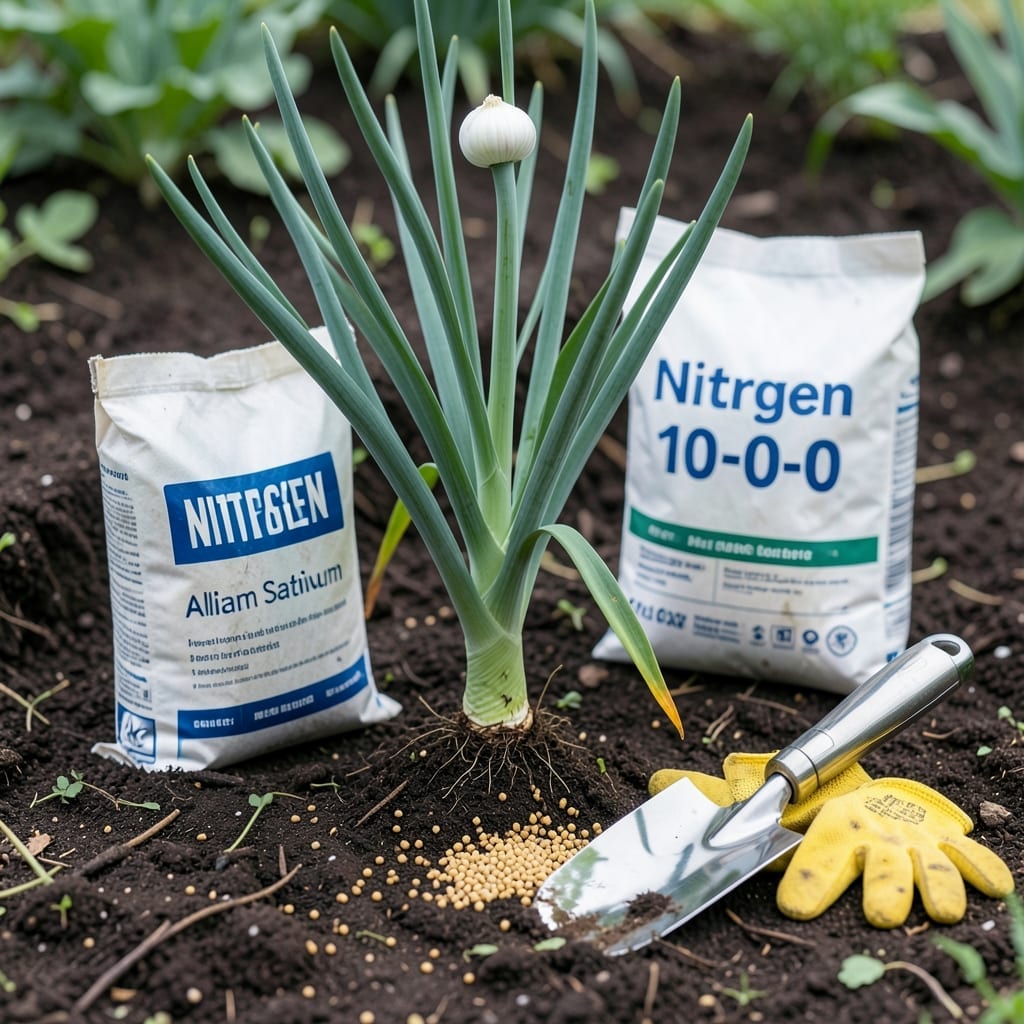
Garlic thrives with the right nitrogen boost, but too much or too little can ruin your harvest. I’ve seen 🧄 plants transform when given the proper balance at the right time.
What many growers don’t realize is that nitrogen plays a crucial role in both leaf development and bulb formation. It’s the difference between a mediocre crop and one you’ll brag about.
Discover how to use this simple yet powerful fertilizer to grow bigger, more flavorful bulbs every season. Let’s get started.
I’ve found that nitrogen fertilizer is the secret to vibrant garlic plants with robust growth. This essential nutrient fuels leaf development, which directly impacts bulb size and flavor.
Early in the season, nitrogen helps establish strong foliage, while later, it supports the transition to bulb formation. Without enough nitrogen, garlic leaves turn pale yellow and growth stunts.
| Benefit | Effect on Garlic |
|---|---|
| Leaf Growth | Lush green foliage |
| Bulb Formation | Larger, firmer bulbs |
| Flavor Intensity | Stronger, richer taste |
| Deficiency Signs | Yellowing leaves, stunted growth |
| Over-Fertilization | Excessive leafy growth, small bulbs |
However, too much nitrogen can be just as harmful. Over-fertilized garlic produces excessive leaves at the expense of bulb development, resulting in small, underdeveloped cloves.
The optimal NPK ratio for garlic is around 10-10-10, but I often adjust based on soil tests. Nitrogen should be balanced with phosphorus and potassium for best results.
I recommend applying nitrogen fertilizer in early spring when new shoots emerge. A second light application can be added 4-6 weeks later as bulbs begin to form.
Organic options like blood meal or fish emulsion work well, as they release nitrogen slowly. Synthetic fertilizers provide a quick boost but require careful dosing to avoid overfeeding.
Watch for signs of deficiency, such as slow growth or pale leaves. If you notice these, a side dressing of nitrogen-rich fertilizer can quickly correct the issue.
Remember, consistent moisture is key when fertilizing. Dry soil can prevent nutrients from reaching the roots, so water thoroughly after application.
With the right approach, you’ll see bigger bulbs and more flavorful garlic in every harvest. It’s all about finding that perfect balance for your soil and climate. 🌱
Choosing the right nitrogen fertilizer for garlic can make or break your harvest. I’ve tested various options and found that organic sources often provide the most balanced, sustainable results for home gardens.
Blood meal is my top pick for a quick nitrogen boost, as it contains about 12-13% nitrogen and works fast. Fish emulsion is another great choice, offering a gentle, slow-release option that won’t shock your plants.
| Fertilizer Type | Nitrogen Content | Best For |
|---|---|---|
| Blood Meal | 12-13% | Quick boost |
| Fish Emulsion | 5-7% | Slow release |
| Compost | 1-2% | Soil health |
| Synthetic 10-10-10 | 10% | Balanced feed |
For application timing, I recommend adding nitrogen early in the growing season when plants are establishing foliage. A second, lighter application can be applied 4-6 weeks later as bulbs start forming.
Dosage matters—apply 1 tbsp per plant for granular fertilizers or follow package instructions for liquids. Always water thoroughly after applying to help nutrients reach the roots and prevent burn.
If you prefer synthetic fertilizers, a 10-10-10 balanced formula works well, but be cautious with dosage. These provide an immediate nitrogen source but can lead to over-fertilization if not used carefully.
Remember, soil testing is your best friend. It reveals existing nutrient levels, helping you avoid over-application. Garlic in well-draining soil with consistent moisture will always respond better to fertilization. 🌱