
Beautiful Plants For Your Interior
Beautiful Plants For Your Interior
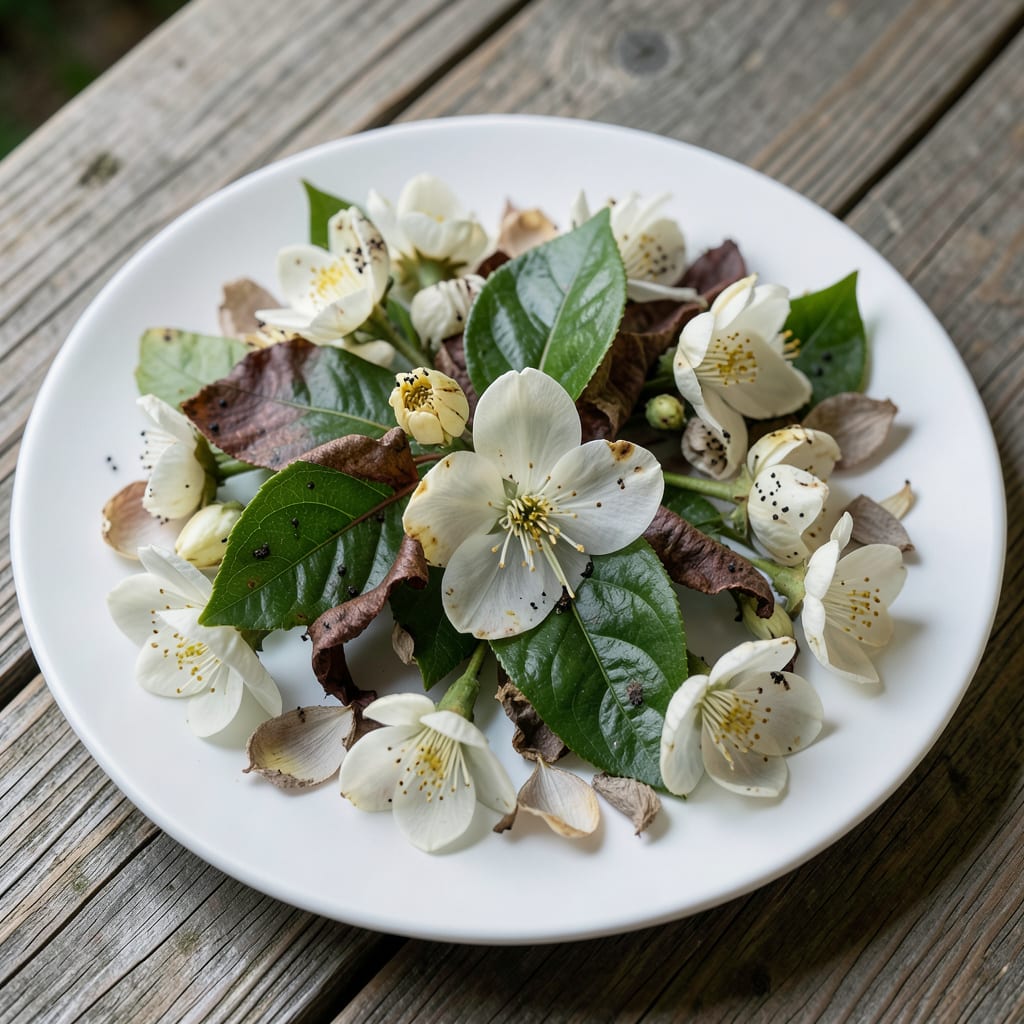
My night blooming jasmine looked invincible until last summer. Then the leaves started yellowing, and I realized even the toughest plants have their weak spots.
The usual suspects are fungal infections, root rot from overwatering, or powdery mildew when humidity spikes. Catching these early means the difference between a quick fix and a season-long battle.
I’ve saved most of my plants with simple fixes—better airflow, adjusted watering, and natural sprays. The key is acting before the problem spreads to the whole bush.
Prevention beats cure every time. Healthy soil, proper spacing, and regular checks keep your jasmine thriving and disease-free.
Night blooming jasmine (Cestrum nocturnum) can fall prey to diseases due to a mix of environmental, biological, and cultural factors. Understanding these causes helps you address issues before they escalate. Below are the primary culprits:
Excess moisture is a leading cause of root rot and fungal diseases like Phytophthora or Pythium. When soil stays soggy, oxygen is depleted, and pathogenic fungi thrive. Night blooming jasmine prefers well-draining soil—saturated conditions stress the plant, weakening its defenses.
Humid, warm climates create ideal conditions for powdery mildew, leaf spot, and blight. Fungi such as Erysiphe or bacteria like Pseudomonas infect leaves when spores spread via wind or water. Poor air circulation exacerbates these issues, trapping moisture on foliage.
Weakened plants attract pests like aphids, whiteflies, or scale insects, which secrete honeydew—a sticky substance that promotes sooty mold growth. Pests also create entry points for viruses and bacteria, compounding disease risks.
Extreme temperatures, drought, or nutrient deficiencies stress the plant, reducing its ability to resist infections. For example, cold drafts can trigger leaf drop, while nutrient imbalances (e.g., nitrogen deficiency) leave jasmine vulnerable to opportunistic pathogens.
Proactive care—like improving drainage, pruning for airflow, and monitoring pests—can mitigate these causes effectively.
Keeping your night blooming jasmine healthy starts with addressing problems early. Here’s how to tackle the most common diseases and their fixes, along with prevention tips to keep your plant thriving.
Fix: Spray affected leaves with a mixture of 1 teaspoon baking soda, 1 quart water, and a few drops of dish soap. Apply weekly until the issue clears. For severe cases, use a neem oil solution (1 tablespoon neem oil + 1 gallon water).
Prevention: Improve air circulation by pruning dense foliage. Water at the base to keep leaves dry, and avoid overhead watering in the evening. 💡 Pro tip: Plant in a sunny spot to reduce humidity buildup.
Fix: Wipe leaves with a cotton ball soaked in rubbing alcohol to remove scales manually. For larger infestations, apply insecticidal soap or neem oil every 7–10 days.
Prevention: Inspect new plants before bringing them near your jasmine. Encourage natural predators like ladybugs by planting companion flowers. ✨ Keep it clean: Remove fallen leaves and debris where pests hide.
Fix: If the roots are mushy, trim the affected areas and repot the plant in fresh, well-draining soil. Use a fungicide drench (like copper-based products) to combat fungal growth.
Prevention: Ensure pots have drainage holes, and use a sandy or perlite-rich soil mix. Water only when the top inch of soil is dry. 🌡️ Watch the weather: Reduce watering during rainy seasons.
Fix: Blast mites off with a strong stream of water from a hose. Follow up with neem oil or miticide sprays every 5–7 days until gone.
Prevention: Mist leaves regularly to increase humidity (mites thrive in dry conditions). 🎯 Regular checks: Inspect the undersides of leaves weekly for early signs.
Look for white, powdery spots on leaves, especially on top surfaces. The growth resembles dusted flour and spreads quickly in humid conditions. Early treatment with neem oil prevents further damage.
Use a well-draining mix of 1 part potting soil, 1 part perlite, and 1 part coarse sand. Ensure containers have drainage holes to avoid waterlogging.
Yes, but follow label instructions carefully. Copper-based fungicides work well for fungal issues. Always apply in the evening to avoid leaf burn from sun exposure.
Check leaves, especially undersides, weekly for signs of aphids, scales, or mites. Early detection makes treatment easier and prevents infestations from spreading.
