
Beautiful Plants For Your Interior
Beautiful Plants For Your Interior
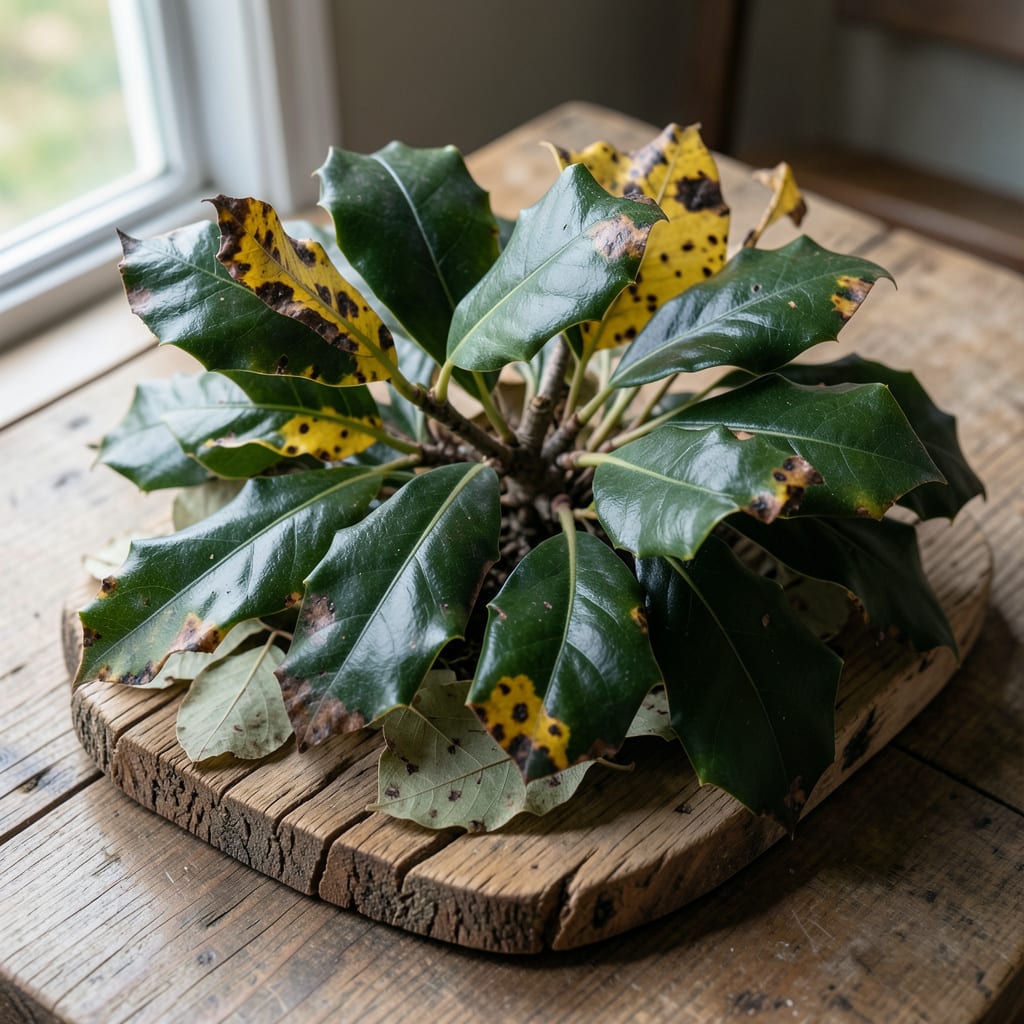
Those dark spots on your Nellie Stevens holly leaves aren’t just ugly—they’re a warning. 🌿 I’ve seen leaf spot turn a perfect hedge into a patchy mess in one season if left unchecked.
Most gardeners assume it’s just old age or lack of water. Here’s the thing—it’s usually a fungal infection that spreads fastest in wet, crowded conditions. The pattern starts small but can defoliate entire branches.
Good news: it’s 100% treatable with the right approach. Proper spacing, air circulation, and timely fungicide applications stop the spread. Your holly can bounce back with thicker, healthier growth next season.
Prevention is simpler than cure. Start with resistant varieties if possible, and always clean up fallen leaves. Early action saves you months of recovery time.
Nellie Stevens holly is a hardy shrub, but it can still fall victim to a few common diseases. Understanding why these issues occur is the first step in preventing and managing them effectively. Below are the primary causes behind Nellie Stevens holly disease, broken down by their scientific and environmental triggers.
Fungal infections, such as leaf spot and root rot, are among the most frequent culprits. These diseases thrive in warm, humid conditions, especially when the plant’s foliage remains wet for extended periods. Pathogens like Cercospora and Phytophthora can infect the holly, leading to discolored or dropping leaves. Poor air circulation and overhead watering exacerbate the problem by creating an ideal environment for fungal spores to germinate and spread.
Excessive moisture is a major contributor to disease in Nellie Stevens holly. Overwatering or poorly drained soil leads to waterlogged roots, which suffocate the plant and make it susceptible to root rot. This stress weakens the holly’s natural defenses, allowing pathogens to take hold. Ensuring proper drainage and avoiding waterlogged conditions can significantly reduce the risk of disease.
A lack of essential nutrients, particularly iron and magnesium, can manifest as disease-like symptoms, such as yellowing leaves or stunted growth. While not caused by pathogens, these deficiencies stress the plant, making it more vulnerable to secondary infections. Conducting a soil test can help identify and correct imbalances to keep your holly healthy.
Pests like scale insects and spider mites can weaken Nellie Stevens holly by feeding on its sap, creating entry points for diseases. The damage they cause often mimics disease symptoms, such as leaf discoloration or premature drop. Regularly inspecting the plant and addressing pest issues promptly can prevent these secondary problems.
Tackling Nellie Stevens holly diseases starts with identifying the issue and applying targeted fixes. Here’s a practical guide to common problems and their solutions, along with prevention tips to keep your holly thriving.
If you notice dark spots or yellowing leaves, it’s likely a fungal issue. Prune affected branches to improve airflow and reduce humidity. Apply a copper-based fungicide every 7–10 days until symptoms disappear. Prevention tip: Space plants properly and water at the base to avoid wetting foliage. 💡
Pests like scale or mites cause discoloration and webbing. Remove infested branches and spray with neem oil or insecticidal soap every 5–7 days. For severe cases, use horticultural oil. Prevention tip: Inspect leaves regularly and encourage beneficial insects like ladybugs. 🎯
Yellowing leaves and wilting often signal root rot from soggy soil. Stop watering immediately and let the soil dry out. If the plant is in a pot, repot it in fresh, well-draining soil. For in-ground hollies, amend the soil with compost or sand. Prevention tip: Ensure containers have drainage holes and avoid overwatering. ✨
Brown edges or leaf drop may result from extreme heat, cold, or drought. Mulch around the base to retain moisture and protect roots. Provide afternoon shade in hot climates. Prevention tip: Water deeply but infrequently to encourage strong root growth. 🌡️
With these steps, your Nellie Stevens holly can bounce back and stay healthy for years to come!
Brown spots are usually fungal leaf spot diseases. They thrive in wet conditions with poor airflow. Prune affected areas and apply copper fungicide every 7-10 days.
Yes, soggy soil leads to root rot. Stop watering immediately and let soil dry. For potted plants, repot in fresh, well-draining mix.
Regularly inspect for scale or mites. Spray with neem oil every 5-7 days. Encourage beneficial insects like ladybugs.
Prune damaged branches to improve airflow. With proper treatment, healthy new growth will replace them next season.
