
Beautiful Plants For Your Interior
Beautiful Plants For Your Interior
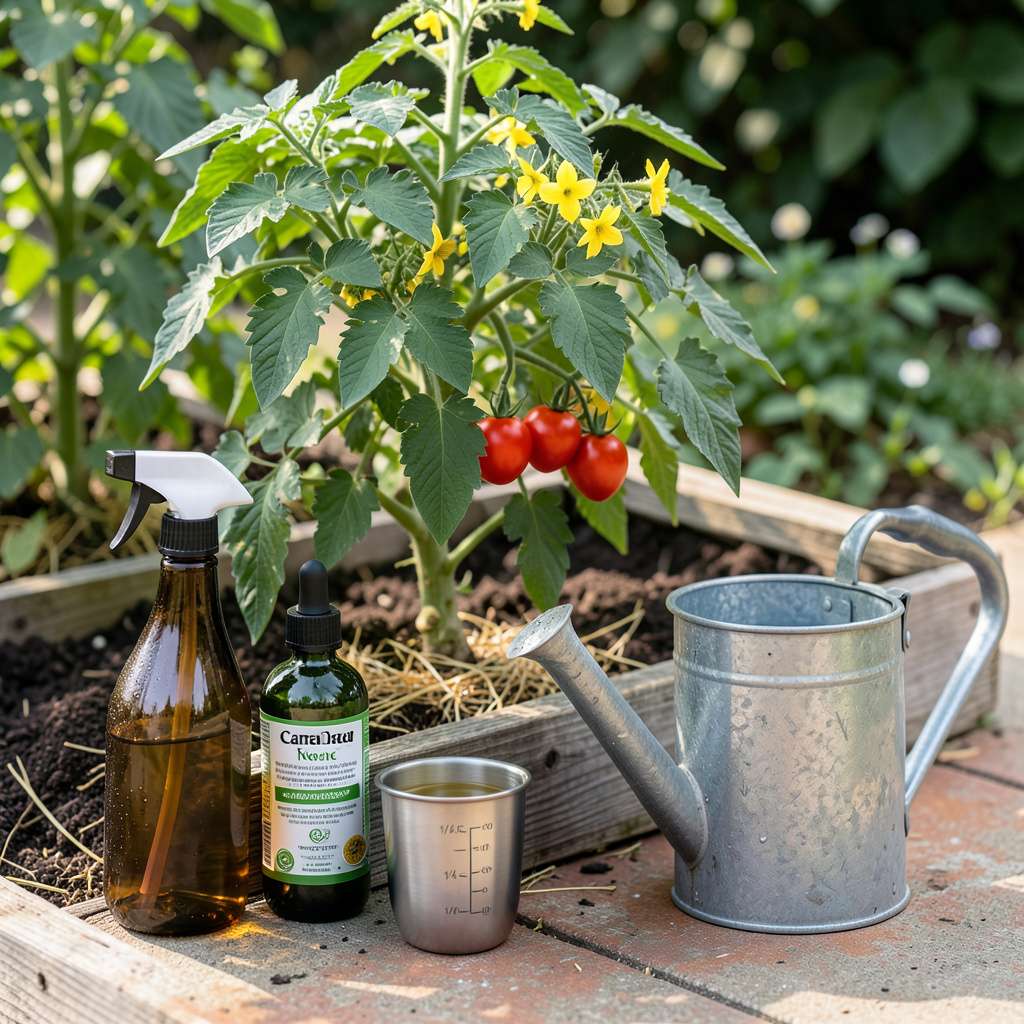
Mix 1 to 2 tablespoons of Neem Oil Per Gallon of Water: Essential Gardening Tips”>neem oil per gallon of water for Effective Pest Control and Plant Care”>Pest Control and Plant Health”>effective pest control and plant treatment, adjusting based on plant type and pest severity.
Using the right concentration of neem oil is crucial for maximizing its benefits while minimizing potential harm to your plants. 🌱 The optimal ratio varies based on the specific pests you’re targeting and the type of plant you have. I recommend experimenting within that range to find what works best for your garden, considering factors like the growth stage of your plants and environmental conditions.
Additionally, always test a small area before full application to ensure your plants respond well. This precaution helps avoid any adverse reactions, especially with sensitive species. By adjusting the mixture carefully, you can effectively manage pests while keeping your plants healthy and thriving. 🌿
💡 In This Article
The effectiveness of neem oil as a pest control agent hinges significantly on the right mixture with water. The active ingredient, azadirachtin, operates best within a specific concentration range. If the ratio is too low, it won’t adequately deter pests; too high a concentration can stress or damage your plants. 🌱
To achieve the ideal balance, consider mixing between 1 to 2 tablespoons of neem oil per gallon of water. This range maximizes pest deterrence without harming plant health. For example, if you’re treating a delicate plant like a fern, stick closer to 1 tablespoon.
Conversely, for robust plants like tomatoes, you can safely use up to 2 tablespoons. 🌿
The science behind this involves foliar absorption rates, where plants take in the solution through their leaves. A concentration that is too weak may not penetrate effectively, while a strong solution could lead to leaf burn. Therefore, it’s essential to adjust based on the plant type and current health status.
This careful consideration ensures that the benefits of neem oil are fully realized. 🔍
Timing also plays a critical role in application. It’s recommended to spray during the cooler parts of the day—early morning or late evening—to prevent rapid evaporation and maximize absorption. This method helps in ensuring that the plant has adequate time to utilize the neem oil effectively. 🕒
Additionally, always test a small area before full application. This precaution helps identify any adverse reactions, particularly with sensitive species like orchids or young seedlings. By observing how they respond, you can fine-tune your approach and ensure healthy growth while managing pests effectively. 🪴
In summary, achieving the right neem oil to water ratio is essential for effective pest control. Experiment within the 1 to 2 tablespoons per gallon range and tailor your approach to specific plants and environmental conditions for optimal results. Happy gardening! 🌼
