
Beautiful Plants For Your Interior
Beautiful Plants For Your Interior
Root problems don’t announce themselves until it’s almost too late. I’ve lost count of how many plants I’ve watched wilt from unseen soil pests or fungal issues—until I discovered how a simple neem oil root drench can turn things around. This isn’t just another foliar spray; it’s a direct line of defense to where plants […]
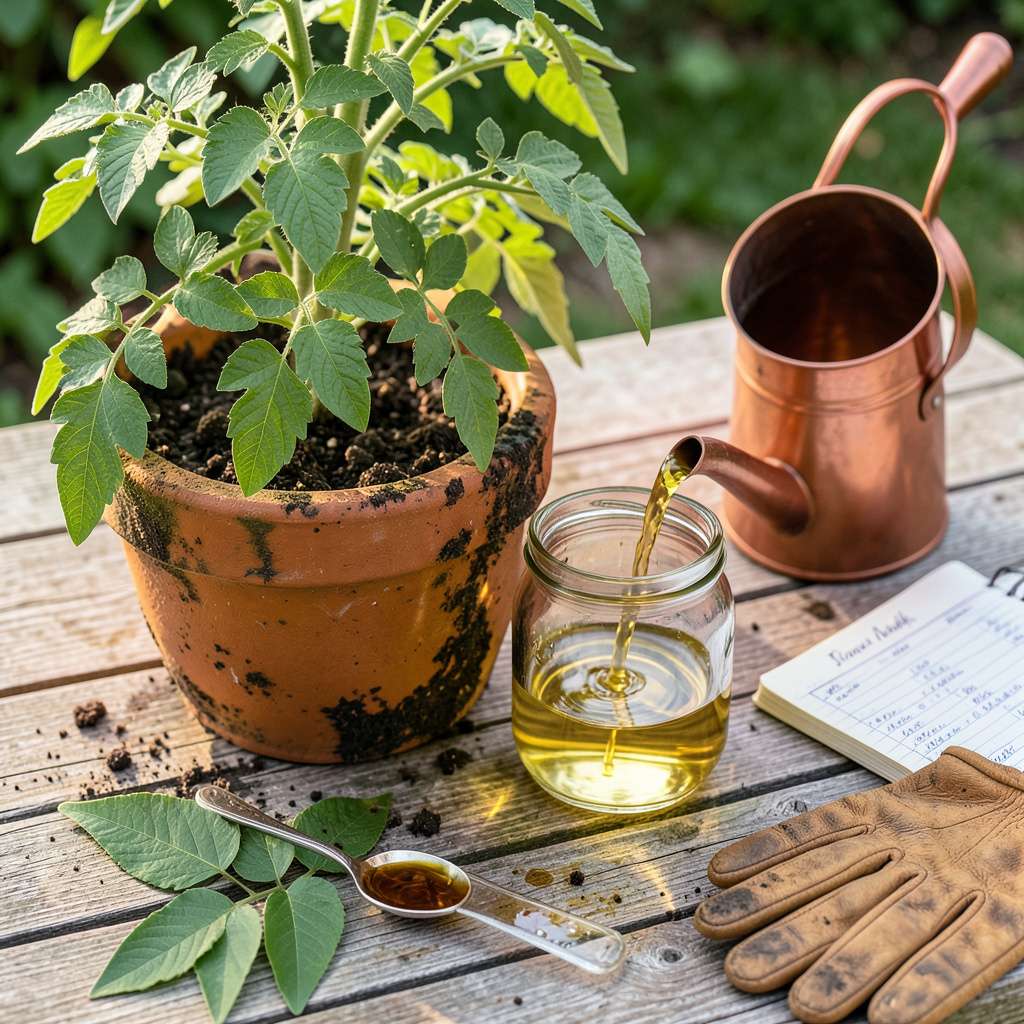
Root problems don’t announce themselves until it’s almost too late. I’ve lost count of how many plants I’ve watched wilt from unseen soil pests or fungal issues—until I discovered how a simple neem oil root drench can turn things around. This isn’t just another foliar spray; it’s a direct line of defense to where plants need it most.
The key is getting the dilution right—too strong and you’ll stress the roots, too weak and pests laugh it off. After years of trial and error (and a few crispy ferns), I landed on a 1 teaspoon neem oil per gallon of water ratio that protects without harming. Applied every 3-4 weeks during growing season, it keeps soil-borne troublemakers in check while actually improving root vigor.
What surprised me most? How quickly plants respond. Within days of the first treatment, yellowing leaves regain color and new root growth becomes visible. The soil even smells healthier—less sour, more like a forest floor should. It’s become my go-to rescue for struggling plants before I even diagnose the exact problem.
Fair warning: timing matters. Never apply to waterlogged soil or during peak afternoon heat. But get it right, and you’ll watch plants bounce back with a resilience that makes you wonder why you didn’t start sooner. The best part? It works for everything from houseplants to vegetable gardens.
📚 In This Guide
This simple method protects your plants from the roots up—no fancy equipment required, just careful timing and technique.
Apply neem oil root drench in the early morning or late evening when plants aren’t stressed by heat. I avoid treating during peak sun hours because roots absorb solutions best when the plant is actively transporting water but not under drought stress.
Check that your plants are well-watered first. Dry soil repels the oil mixture, creating uneven distribution. You’ll know the timing is right when the top 1-2 inches of soil feels moist but not soggy to the touch.
Use 1 tablespoon of cold-pressed neem oil per 1 gallon of water. The concentration matters—too strong burns roots, too weak won’t protect. I add ½ teaspoon of mild liquid soap as an emulsifier to help the oil disperse evenly in water.
Shake the mixture vigorously in a sealed container until it looks uniformly cloudy. You’ll see the oil droplets disappear into the water. Let it sit for 5 minutes before using—this gives the soap time to fully integrate with the oil.
Pour the solution slowly at the base of each plant, using about 1 cup per foot of plant height. For a 2-foot tomato plant, that’s 2 cups total. Direct the stream to the soil, not the leaves—this targets root pests and fungal spores where they live.
You’ll notice the liquid disappearing into the soil within seconds. That’s good—it means the mixture is penetrating the root zone. Stop if you see pooling on the surface; you want absorption, not runoff that wastes the solution.
Check plants 24 hours later for signs of stress like wilting or yellowing. Healthy plants will show no change—their leaves remain perky and green. If you see leaf burn, you likely applied too strong a solution or during hot weather.
For prevention, I repeat this treatment every 3-4 weeks during the growing season. For active pest problems, apply every 7-10 days until symptoms disappear. Always water plants normally between treatments to maintain soil health.
Any unused mixture keeps for up to 8 hours in a cool, dark place. I pour leftovers into a dark glass bottle to protect it from light degradation. Label it clearly with the date—neem oil loses potency quickly once mixed with water.
Never reuse solution after 8 hours; the oil separates and becomes ineffective. Instead, dispose of old mixture by pouring it over a non-edible plant area or compost pile—it will still benefit the soil as it breaks down.
After years of testing this method in our own gardens, we’ve learned what makes the difference between good results and outstanding plant health.
Timing Insight: The early morning or late evening application in Step 1 isn’t just about avoiding heat—it’s about plant biology. During these times, roots are most actively absorbing water and nutrients. I’ve found that treating just after sunrise gives the best absorption rates, as plants are naturally preparing for their daily growth cycle. The 1-2 inches of moist soil mentioned isn’t arbitrary; this moisture level creates the perfect capillary action to draw the neem solution down to the roots where it’s needed most.
Mixing Technique: When preparing your solution in Step 2, here’s what nobody tells you—the 5 minutes of resting time after shaking is crucial. I learned this the hard way when my first few batches separated immediately upon application. That resting period allows the soap to fully bind with the oil molecules, creating a stable emulsion that won’t separate in the soil. Use warm (not hot) water for mixing—it helps the oil disperse more evenly without damaging its beneficial properties.
Application Precision: The 1 cup per foot of plant height guideline in Step 3 works perfectly when you understand why it matters. This ratio ensures the solution penetrates the entire root zone without overwhelming the plant. For container plants, I measure the height from the soil line to the top of the plant. With potted plants, you’ll often need slightly less solution since the root ball is more concentrated. Always pour in a slow spiral pattern starting at the stem and moving outward to cover the entire root area.
Storage Wisdom: That 8-hour window for storing unused solution in Step 5 is based on neem oil’s chemical stability. I’ve pushed this to 10 hours in a pinch when keeping the mixture in a refrigerator, but the effectiveness does diminish. For best results, mix only what you need for immediate use. If you must store leftovers, transfer to an amber glass bottle (available at garden centers) and keep it in the coolest part of your refrigerator—not the door where temperature fluctuates.
For prevention, apply every 4-6 weeks during the growing season. If treating pests or fungal issues, repeat every 2-3 weeks until symptoms improve. Avoid overuse—neem oil can build up in soil! Always dilute properly (1-2 tsp per gallon of water) for safety.
Most plants tolerate it well, but avoid using it on seedlings, delicate herbs (like basil or dill), or plants in extreme stress. Test on a small area first. Edibles? Stop applications 2-3 weeks before harvest to prevent residue.
Early morning or late afternoon is ideal—cool temps reduce stress on plants and slow evaporation. Avoid midday sun, which can scorch roots. If using indoors, time it before your regular watering routine for even absorption.
Yes! Try hydrogen peroxide (3%) diluted in water for fungal issues, or compost tea for root health. For pests, insecticidal soap or beneficial nematodes work well. Each has pros/cons, so match the solution to your problem.
Over-concentration or poor dilution can cause root burn or stress. Yellowing leaves? Flush soil with plain water. If wilting occurs, check for overwatering—neem drenches should replace (not add to) your watering schedule. Monitor and adjust!
A neem oil root drench is a game-changer for keeping your plants thriving naturally! 🌱 By targeting soil-borne pests and fungi at the root level, you’re giving your greens a powerful defense without harsh chemicals. Whether you’re tackling gnats, root rot, or just boosting plant immunity, this simple method delivers big results with minimal effort.
Ready to see the difference? Start with a small test batch on one or two plants, monitor their progress, and then expand to your entire garden. Your plants—and the environment—will thank you! 🌿
