
Beautiful Plants For Your Interior
Beautiful Plants For Your Interior
Yellowing leaves on your peace lily don’t mean it’s doomed—just that it’s asking for help. I’ve brought more peace lilies back from the brink than I can count, and neem oil is always my first tool. This natural solution tackles both pests and fungal issues without harsh chemicals, giving your plant a fighting chance to […]
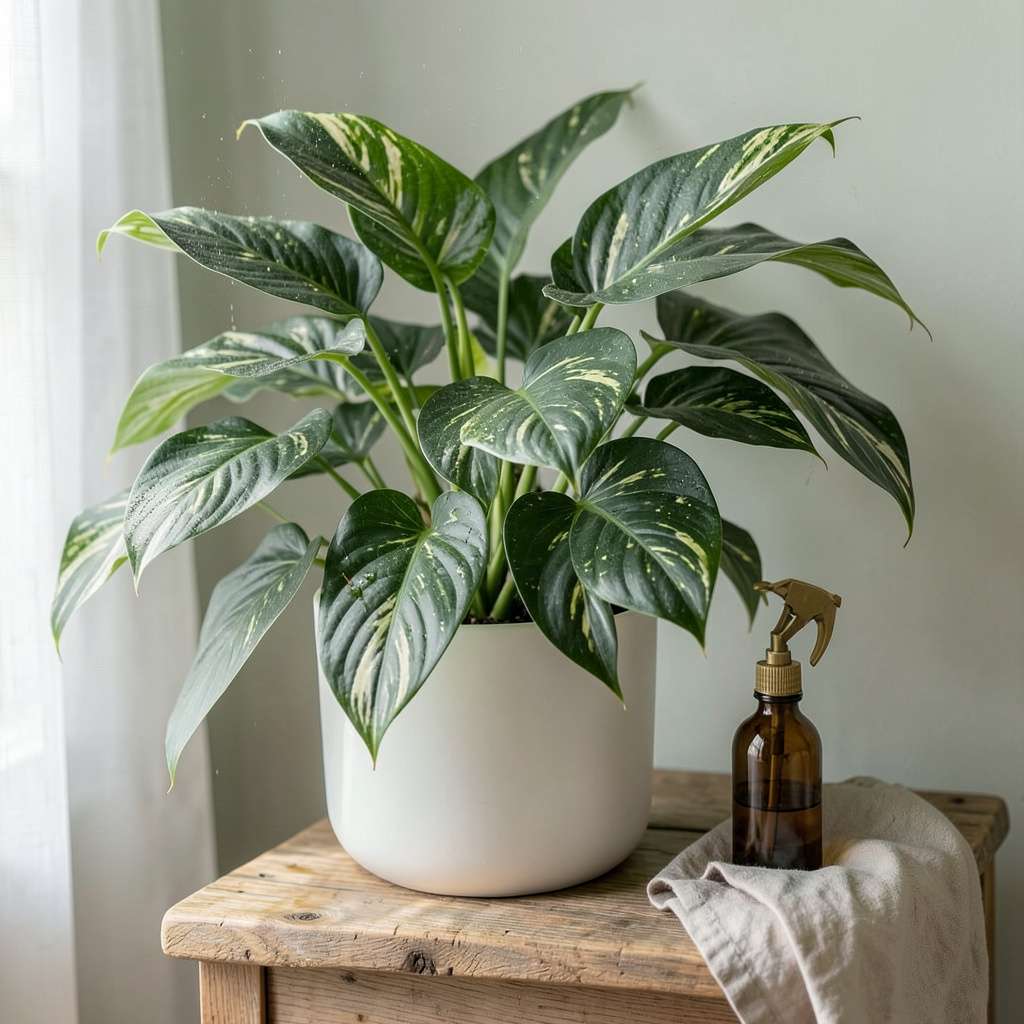
Yellowing leaves on your peace lily don’t mean it’s doomed—just that it’s asking for help. I’ve brought more peace lilies back from the brink than I can count, and neem oil is always my first tool. This natural solution tackles both pests and fungal issues without harsh chemicals, giving your plant a fighting chance to recover its deep green glory.
The trick is in the timing and technique. A simple Pest Control Solution”>neem oil spray applied correctly can stop spider mites in their tracks and prevent those ugly brown leaf spots from spreading. I learned the hard way that evening applications work best (sunlight can burn treated leaves), and consistency matters more than concentration. Your plant will show improvement within 7-10 days of regular treatment.
What you’ll notice first is new growth coming in healthy and vibrant. The existing yellow leaves won’t turn green again, but their spread will halt as the plant redirects energy to fresh foliage. The glossy, dark green leaves that peace lilies are famous for start reappearing, and those pesky gnats or mites disappear completely.
This method works for any peace lily, whether it’s a neglected office plant or your grandma’s heirloom specimen. The same approach scales from a single sad plant to an entire collection—no fancy equipment needed, just patience and the right technique.
📚 In This Guide
This simple treatment will restore your plant’s health while keeping pests away—naturally and effectively.
Start by inspecting your plant thoroughly. Look under leaves and along stems for any signs of pests like spider mites or mealybugs. I always check the undersides first—that’s where pests love to hide. Gently wipe the leaves with a damp cloth to remove dust and any visible insects.
If your peace lily has yellowing leaves, trim the worst ones at the base using clean scissors. This isn’t just cosmetic—removing damaged foliage helps the plant direct energy toward new, healthy growth. Don’t remove more than one-third of the leaves at once, as this can stress the plant further.
Neem oil must be diluted before application. I use 1 teaspoon of neem oil and ½ teaspoon of mild liquid soap (as an emulsifier) per 1 quart of warm water. The soap helps the oil mix with water and stick to the leaves. Shake the mixture vigorously in a spray bottle until it’s completely combined.
Here’s the thing—neem oil separates quickly. You’ll need to shake the bottle every few minutes during application to maintain the proper consistency. Test the solution on a single leaf first and wait 24 hours to ensure there’s no adverse reaction before treating the entire plant.
Spray the solution evenly over all leaf surfaces, including the undersides where pests often gather. I like to work in sections, coating each leaf until it glistens slightly but isn’t dripping. Pay special attention to new growth and leaf joints—these are pest hotspots.
Don’t apply in direct sunlight or when temperatures exceed 90°F. The combination of neem oil and intense heat can burn leaves. Early morning or late afternoon works best. After application, keep the plant out of direct sunlight for at least 4-6 hours to prevent leaf damage.
For existing pest problems, repeat the treatment every 7-10 days for 4-6 weeks. This breaks the pest life cycle completely. For maintenance, a monthly application keeps most issues at bay. I mark my calendar so I don’t forget—consistency is key with neem oil.
You’ll notice improvement within 3-5 days as pests die off. Yellow leaves won’t turn green again, but new growth should emerge healthy. If you see white residue after treatment, don’t worry—it’s harmless and will dissipate. Just wipe leaves gently with a damp cloth if it bothers you.
After treatment, check your peace lily every few days. Look for new pest activity or leaf damage. I keep a small notebook to track progress—it helps spot patterns. If you notice pests returning, increase treatment frequency temporarily.
Remember that neem oil works best as part of overall good care. Keep your peace lily in bright, indirect light and water when the top 1-2 inches of soil feel dry. Healthy plants resist pests better than stressed ones. With consistent care, you’ll see your peace lily thrive with lush, green leaves again.
These practical insights will help you get the most out of your neem oil treatment while avoiding common pitfalls.
Application Technique: When spraying in Step 3, use a fine mist setting rather than a heavy stream. The goal is even coverage without soaking the leaves. I’ve found that holding the spray bottle about 8-10 inches away from the plant creates the perfect light coating. Remember to shake the bottle frequently as mentioned in Step 2—neem oil separates faster than you might expect, and uneven application reduces effectiveness.
Timing Consideration: The 4-6 hour sunlight avoidance period after application is crucial. I learned this the hard way when I treated a plant in the morning and left it in my sunny kitchen window. The leaves developed brown spots within hours. Now I either treat plants in the evening or move them to a shady corner immediately after application, especially during summer months when indoor temperatures can climb.
Consistency Matters: Don’t skip the 24-hour test patch in Step 2, even if you’re eager to treat the whole plant. I once had a peace lily develop slight leaf curling from the neem oil solution. Testing on one leaf first would have saved me from treating the entire plant and causing unnecessary stress. Different plants can react differently, even within the same species.
Storage Tip: If you mix more solution than needed, store the remainder in a cool, dark place for up to 24 hours. After that, the neem oil loses potency. I keep leftover solution in the refrigerator and give it a good shake before using again. Never store mixed solution for more than a day—it’s better to mix fresh batches as needed.
For pest control, apply diluted neem oil every 7–14 days until pests disappear. For maintenance or fungal prevention, a monthly spray works well. Always check leaf undersides for pests first! Avoid overuse—too much can clog pores.
Yes! Neem oil helps if yellowing is caused by pests, fungus, or bacterial issues. However, if yellowing stems from overwatering or low light, fix those first. Test-spray 1–2 leaves and wait 24 hours to check for reactions before full application.
Apply in the early morning or late evening to avoid leaf burn from sun exposure. Avoid midday heat! If indoors, ensure good airflow. Wipe excess oil off leaves after 30–60 minutes to prevent residue buildup.
For mild pest issues, try:
Neem oil is still the most effective natural option for stubborn problems.
Brown tips or spots often mean:
Reduce frequency if browning persists.
Neem oil is your peace lily’s natural superhero—tackling pests, reviving yellow leaves, and keeping your plant thriving without harsh chemicals! 🌿 With just a few simple steps, you can restore its lush green beauty and enjoy a healthier, happier houseplant.
Ready to give it a try? Start with a small test spray today, and watch your peace lily bounce back. For more green-thumb tips, check out our guide on long-term care routines to keep pests and problems at bay for good!
